Monthly Archives: October 2019

A Visit to the Jeffers’ Tor House and Big Sur (California beginnings)

-A Monterey Discovery part two

(My own introduction to the great California poet Jeffers was through a beautiful reissue of “The Double Ax”.

These are poems of tragic grandeur and dissent, evolved from the elements of the California landscape in isolation.

Magnetic, shocking, violent, the great poems are texts of opposition to modern war; they seek sanity in the detachment of the remote ancient cliffs and surf. In a search for beginnings we find ourselves on the road to Big Sur where a couple of artists dropped out of modern life to create art that is timeless.)

***

A Visit to Jeffers’ Tor House and Big Sur; CA Rough Drafts

It was the classical education, perfect for a poet, and an homage to the literary father.

But it was the wife who was the driving force, the insistent muse, the artist.

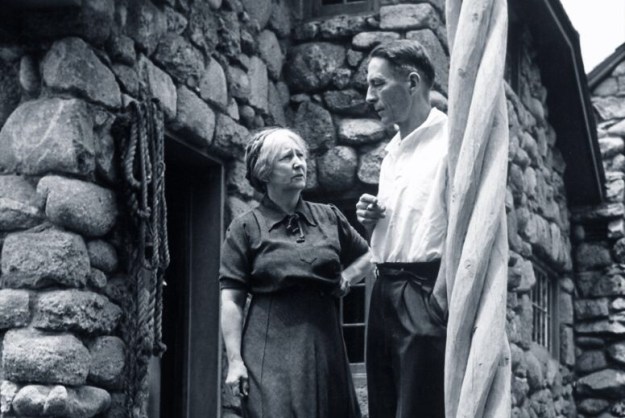
One cannot visit Tor House without wondering about- and at- Una Jeffers.

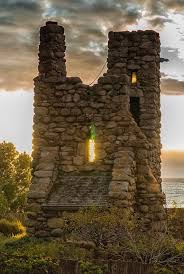
Tor House with its tower by the sea is made of stone rolled by Robinson Jeffers by hand up the beaches of Carmel, but the effect is feminine. They achieved a balance here. The stone house was built by a mason with the help of the poet, but the overlooking tower the Jeffers accomplished themselves. The stone house with its yard, the miniature estate on a town lot by the sea, makes one think of fairy tales, Jungian psychology, and the ancient cauldron, the mortal and pestle, of medieval Europe. The folklore was the rage of Una Jeffers, her pursuit of the poetry of history. Tor House is a Tolkien- looking affair, and would look handsome with a roof of thatch, if that were practical.

The nearness of the sea, the constant damp made me sniff the mold, and I worried about the collection of first editions of Jeffers poetry kept in a locked bookcase in a pantry. I said nothing, but longed to examine them, the volumes of the nineteen-twenties and thirties themselves were works of art, with Art Deco lettering on their spines, and a Rockwell Kent sort of feel to the presentation. A bit musty in the stone house, heavy with wood, panelled and dark, with floorboards that creaked when the poet, in a tiny upstairs loft directly above the living room, paced- meaning his writing was done for the day.

The place is somewhat shiplike of course, tiny as a rather luxurious cabin would be, with window to the Pacific, in the back yard. The Pacific Ocean IS the back yard. But luxury is not the word for this rustic haunt of Una’s.

It’s a stone house inspired by Una Jeffers’ fascination of the Irish towers of centuries ago. She collected impressions of these in trips to Ireland, and must have dragged the poet from one to the other.

From tower to tower they went across Ireland, and we tourists to Jeffers’ Tor House smiled at Una’s faded map, folded and framed on a wall in the living room, with its countless dots scattered about the country, marking each to’r they visited, at her insistence. There are scores of them.

This is a remote land, the California coast, and it must have satisfied their euro-centric desires for castellated Scotland or Ireland-

The plan of the newlyweds delayed, a journey prevented by the First World War and the birth of their first child. Fate brought them instead to the Big Sur region, at the relatively safe distance of Carmel, and with proximity to an actual town, that is Monterey.

They now had a house with stone tower by the sea and devoted themselves to artistic pursuits.

At night the Jeffers read aloud, and this is utterly believable, that they would drink wine, light candles in the stone house without electricity, and read old novels and folktales nightly.

It makes sense that Jeffers would limit the wine to one glass- a gigantic snifter- as an aid to poetry, and knock it over by dawn, momentarily waking the household. I’m grateful to know this salutary glimpse of the private lives of poets, and find it not ironic, but intimate.

Una collected strange music, some from the old mission, and played piano and organ, and much of what she collected one could classify as primitive, that is, prime- ative: that which comes first.

They were night people, obviously.

The life of the Jeffers was well conceived, and this is a credit to Una. The house by the sea, the need for solitude, the conception of art as how one lives each day, that has to be Una.

One gets the impression that the Poet was actually the quiet one. It is said that Jeffers rarely spoke, but listened to guests at their little gatherings at Tor House, and was not quick to laugh. But Una brought people in, and there was a bit of artistic hobnobbing now and then, which documents the Jeffers’ lives in Carmel.

Una was the story-gatherer and folklorist. She stopped the neighbors, those remote denizens of the Big Sur coast, that broken shoreline towering over cliffs, which they first saw in rainstorms and fog as enchanted, forbidding, downright spooky and beautiful…

Ina brought the stories out. Who lived in that shack overlooking the canyon? What murders, ghost stories, native folklore, in the local gossip?

Their travels in the near region were horse-drawn, and wheels of the surrey got stuck in the streetcar tracks on the road to Monterey. According to best friend and biographer, Edith Greenan, the source of many of these insights and intimacies, Una drove. Her biographer found the rough carriage ride terrifying, but tells us

“Una was unconcerned. She chattered away, pointing out fascinating old adobe houses. There was one little streetcar track in Monterey. My fear was great that Una would get the wheels of the buggy caught in the track. I no sooner thought of this than it happened. Undisturbed, Una sat up straighter than ever, completely disregarding the fact that she had done anything awkward. She refused to admit by the turn of a hair that a mild catastrophe had occurred. Miraculously she extricated us. The wrenched wheel revolved like a disgruntled egg beater, making a hideous sound. Of course people turned and laughed at our ridiculous progress up the street. Robin sat beside Una, not saying a word. He didn’t mention the accident and I didn’t dare to.”

Edith writes, “As we drove up the steep grade to Carmel, Una stopped to let the horses rest and to point out the Monterey Bay behind us- a perfect blue crescent, one of the most beautiful bays in the world.”

If the Jeffers had a rough ride to Monterey, then certainly the road to Big Sur must have been somewhat harrowing in the early days of the last century- I found it so on the modern highway as I negotiated hairpin turns in the fog, a thousand feet below, the crashing surf, and oncoming traffic appearing out of nowhere in a steady stream around the bend on this rise of Highway 1 as it heads into a cloud of invisibility for a few moments and then reappears out of the jagged edge of fog.

The cliff edge is sheer and rises above us at a near-vertical, and plunges to the foot of the Pacific at roughly the same angle. If the angles of the cliff were the hands of a clock, the hour hand would be pointing at two, the minute hand at 40 minutes past the hour, meaning it’s time for massive falling rocks from ‘way above. There is nothing but air between them and me, in a rolling, tumbling plunge downward.

In the nineteen-teens, the Jeffers went along this way by horse and buggy, but eventually the old country road snakes inland and ever upward, for no bridge spanned the seaside canyons, and a modern road was still decades away. Even looking at a map of the old road in my guidebook makes me queasy. It isn’t paved, and the guidebooks give stern warnings about four-wheel drive vehicles and extreme caution.

They drove the treacherous coast in a rainstorm and loved it. The haunting beauty of the coast does make one cling to life a bit more tightly , if not with the stern passion of poets.

On their first trip Una began to collect impressions which appear in the Jeffers poems. The folklore of Big Sur she found steeped in tragedy, and matched her mood for the morose old balladry of death and betrayal. The locals must have fed her stories, some true, about the legends of the place, and if its earliest inhabitants.

The balladry of the Elizabethans, with its shocking action, violence, and trenchant ironies, which push hard against a modern idea of sanity, fits with the remote setting of Big Sur as the world modernized and prepared for World War One. The Jeffers found their life on the coast to be a statement on the politics of the times, as well as a source of poetic inspiration. The dangerous world was the subject of lives, no matter where one lived.

The life on the edge, as we would call it today, has its dangers. The Jeffers revelled in the stories of Big Sur, the western feel: the woman killed by a stallion; of what happened at the abandoned shack at Point Sur; of small local epics of murder and mystery.

I sense they found in these, as much as lurid detail, the origins of Poetry itself. They read ancient poetry, and were experts- both were trained scholars, and must have pulled in such elements as the oldest traditions brought them by candlelight of an evening. They absorbed, as well, Earth knowledge of geology and sea coast, that provokes thoughts of beginnings, and man’s place in a scheme marked in terms of millions of years.

They were philosophically on a collision course with modernity and they knew it.

Jeffers rejected the precious and hopeless trends of modern poetry.

And he wrote poems in collaboration with the foggy, ancient coast which eventually were banned as unpatriotic. A vision of World War Two Jeffers saw as an incestuous tragedy of mankind’s longing for destruction. World leaders he saw as sellouts, as promoting unconscious drives, as placing the interests of men so far from their true place in nature. And all this is inevitable, this rapine. At the end, the rocks, the sea, and the old earth, inhabited by ancient birds, the vultures, the hawks, again ruling the roost. To be a poet wast to commune with rocks.

Robinson Jeffers’ verses. gripping and untranscendent, depict the sea coast, the planet’s horizon, its sun going down in a haze to the sea, which the Jeffers saw nightly through their bedroom window. They must have looked at each other and said, we’ll die here! With the sun going over our wall, and a minstrel in our gallery above our hearth. With our poems, and ancient keepsakes, our memories of dinner over the fire. With the spooky organ music of the old missions, and the oldest poetry safe in our cave by our various altars in the moonlight.

No doubt these two night creatures saw stars when the fog factory was down, and some nights along the coast of Carmel must have been bright with moonlight though drained of color. A somewhat dangerous walk in the dark by the ocean. One would stumble and laugh and catch one’s companion and chat and perhaps build a fire.

-Artists, they really are kind of crazy, aren’t they?

jk

6/20/ 2005
A Monterey Discovery (California beginnings)

Here’s a piece about “discovering” California. It’s only one beginning of many. From my notebooks.

***

A Monterey Discovery

(1602: Three ships, two hundred men, and their commander, Vizcaino, whose plans specifically included the attainment of personal fortune in pearl fisheries along the California coast, the discovery of which Spain would subsidize in return for a survey of a region crucial to the fortunes of Spanish galleons enroute to the Philippines and Japan.)

***

The elements are simple: green grass near the granite pillar, the border marked by a little white fence. Leafy trees and shrubbery fill what appears to be a gully at the foot of the Presidio hill.

One wouldn’t consider this generic spot “californian” but for the nearness of Monterey Bay, and the interest of its rocky shoreline as it curves past Cannery Row to the Point of Pines, beyond which the blue waters take on the granite color of the Pacific Ocean.

Yet this is the Discovery Site, the spot at which the explorer and entrepreneur Sebastian Vizcaino reconnoitered beneath a great oak tree, in 1602. His ship at anchor in what was in inlet, he surveyed by eye, recommending the harbor to future explorers, recommendations which were realized by Father Serra in 1770, when Empire Spain finally put forth the effort to develop the missions and trade routes of Alta California.

It’s not much larger than a parking space, the little corner of discovery.

The little hollow behind the fence reminds one of a vase of flowers with too many stems, overgrown and green. And, between the little hollow and this curbside, a small patch of mown grass. Though the foot-traffic of joggers and tourist passers-by is pleasant enough, the traffic of SUVs and compact cars beyond the curb is ceaseless. One crosses with the light, to visit the Discovery Site.

In some sense there is nothing to see here. One looks vacantly into the middle distance for some moments, listening to the traffic shushing by before it dawns that here indeed was the inlet where ships could approach and anchor, and boats might land. Yes, the gully is the natural drainage of the area right down to the bay itself a few hundred feet away. The great oak, the Discovery oak, the Vizcaino oak, is long gone, but today’s tree-covered ravine represents what was once a broad inlet near which ships were anchored. Now it is filled, cut off from the bay in order to build Lighthouse Drive, but beneath, it still runs to the sea.

Yes: above me is the broad hillside with its dramatic vista over Monterey Bay, where once existed a small, ancient cannon emplacement, the Castillo. And there, a few hundred yards away, is the curve of the bay itself. Right at the landing site it begins, trending eastward with its salient features of beach, Custom House, old wharf. Along and around its curves, east and north, the shore runs up to Santa Cruz, in the far bluish distance. That is the blue bowl of Monterey Bay. And to the west, Pt Pinos, the Pacific, Mission Carmel.

An estuary of fresh water is just a shot away, where now ducks serenely glide. Right here, a place for ships to land, refuel, repair. And

It’s a natural half-way point along the endless coast, which, for mariners, ran all the way from the Asian ports; they followed the linear coastlines of the continents, using the currents to their advantage. They did not cross the seas, but followed the land.

Vizcaino was among the earliest European explorers to leave a contemporaneous record, to recommend further exploration.

“It is all that can be desired for commodiousness and as a station for ships making the voyage to the Philippines,” wrote Vizcaino of his of what is now Monterey.

“In addition to being so well-situated in point of latitude…for the protection and security of ships coming from the Philippines.. the harbor is very secure against all winds. The land is thickly peopled by Indians and is very fertile,” he noted.

The Manila galleons of the fifteen hundreds were death ships, but for a harbor with wood and fresh water, re-provisioning and rest. Tragic fragments of China silk, porcelain shards were brought to the Spanish explorers when they’d land, handed over by the local inhabitants; instant archeology from a galleon wreck, the reminder of the likely fate of a larger percentage of every crew.

Monterey was a necessity, and its discovery was an expedient. That it represented the founding of California was only in retrospect: Who knew?

A complex exploration and vague cartographic history precedes us here. But it is the mariner Vizcaino, beneath his oak tree, which links Monterey to the beginning of its Spanish era.

Nearly two centuries passed for the huge oak tree, before the Spanish return.

***

The Vizcaino Oak is the mythic Plymouth Rock of California’s Spanish founding era, a founding relic that represents similar history of colonization, conflict, decay development.

Remnants of the tree by which the 1602 explorers moored do exist and are modestly displayed perhaps not as relics of the past, but as objects of curiosity, easily overlooked in two glass cases: one at the old Mission Carmel, and the other at the Royal Presidio Chapel, here at Monterey, not a mile from the discovery site where it once grew. The equivalent of small smudged type-written photocopies tells the story of the oak to those with the patience to linger. History itself becomes its own shorthand as one jumps back via 3×5 cards to 1770, when Serra, too, stood beneath this oak, one limb of which is mounted by the church door.

Visitors to the chapels founded by Serra find the Vizcaino oak fragments only by accident. I stood before a display case for long minutes at the Mission Carmel, wondering if that worm- eaten hunk of wood was indeed a fragment of the Oak. I had read that the entire oak was saved, and it was on view behind the first presidio chapel of Monterey, not far from the Quality Inn with the indoor pool where I was staying.

When I approached the chapel, I walked around past the redwood trees to the rear and found only roses. Fragrant roses bloomed all about the garden there, and within the old chapel the choir practiced, and night fell, and the stained glass windows began to brighten. But no Discovery Tree.

It is of a piece with the history. For the explorers who followed Vizcaino over a century later were unable to find Monterey Bay or that tree. Portola, who led the mission expedition along with Junipero Serra, walked to San Francisco’s empty dunes and back, not knowing they’d passed it ‘way back there on the first march north.

Though on previous marches the Monterey Bay had not been recognized by these latter explorers, on a return reconnaissance they “got it”.

Of Monterey Bay they reported… “We now recognize it without any question… both as to it’s underlying reality and it’s superficial landmarks,” and “quite near, the ravine of little pools, the live oaks, especially the large one, whose branches bathe the waters of the sea sea at high tide, under which the Mass was said… by Sebast. Vizcaino.”

There at the Discovery site the great oak once stood for its span of three centuries, near today’s little white fence and historical marker.

I look back in time through an old photo of the site taken in 1890 or so, according to its caption. At that time the site was a much more open valley to the sea, bordered by a predecessor-fence which overlooked the disarray of branches of the Vizcaino oak in the photo.

On the white rail fence of that time is painted the words “Smoke Horse Shoe Tag Cigars.”

An eyewitness and creator of California history, Gen. Mariano Vallejo, who grew up in Monterey in the nineteenth century, was aware of the historic tree at the Discovery site. Controversy arose as to its authenticity- if a tree can be said to be authentic, which leads one to think that the tree wasn’t a big deal over the latter two centuries, just part of the landscape.

But Vallejo knew it as THE tree, and the story goes that eventually, when the land was to be improved, and the tree cut down and thrown into the bay waters, boats were sent to fetch it back.

So the Tree was “discovered” yet again- in the unlikely waters near Santa Cruz, and hauled back to Monterey.

“…Our arrival was greeted by the joyful sound of the bells suspended from the branches of the oak tree…”So wrote Fr Junipero Serra, on June 3, 1770.

“Kneeling down with all the men before the [makeshift] altar, I intoned the hymn… Then we made our way to a gigantic cross which was all in readiness and lying on the ground. With everyone lending a hand we set it in an upright position… I sang prayers for its blessing. We set it in the ground…” Then “raising aloft the standard of the King of Heaven, we unfurled the flag of our Catholic Monarch likewise. As we raised each of them, we shouted at the top of our voices: ‘Long live the Faith! Long live the King!”

This account certainly conveys the weight and heft of the ceremony at hand, as though by history’s eternal eyewitness- although the iconography of anguish is left unexpressed.

On a sunny morning in May, I spent an hour, thinking of these things, sitting in a pew a few feet from a fragment of the oak- now behind glass, worm-eaten but venerable.

There is a Mass at noontime there at Royal Presidio Chapel, which itself is a true founding site of Monterey. I am only an observer, but my observation was that there was a moment of reflection in the light of a modern time, and that Monterey was blessed to be lost and found again, and lost, successively. The empire has moved on.

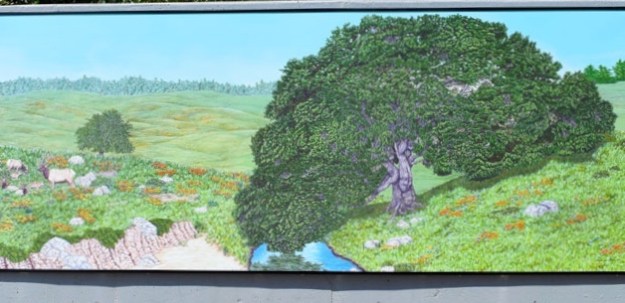
(Mural of Vizcaino oak, near the original site, with care for historical accuracy, by artist Stephanie Rozzo, 2015.)

A Fraser reunion

There are a few stories to tell. Famous author’s missing shoes; walks by the Lake at JT’s; Indians Championship game sitting right near my twin sister’s whole crew.

Eulogy for Bill Fraser

1. Welcome – Welcome everyone, close family, friends. This service may actually be a continuation of a week of reminiscing, a process of story telling- all Frasers have at least 8 stories, I’m told- and not all of them intersect in expected ways! It’s an ongoing process extending back through eighty years. His daughter Ingrid said that in a way he really did know how to bring people together after all. So here we are to acknowledge and celebrate the life of Bill Fraser. So since all Fraser have a story I’ll begin with one.

2. I’d start with just one story. On a camping trip with his wife a Elizabeth, they saw a bear with a beer can stuck in his mouth. The bear could not dislodge it. Alarmed at the bears plight, Elizabeth urged Bill to intervene. Bill went right went up to the bear and attempted to pry the stuck can out. (He failed, but all walked away unscathed- a ranger came to see to the bear.) This particulate brand of fearlessness may sound familiar to Fraser’s, certainly it represents the arc of the life of this particular Fraser.

3. A summary of a life is never simple. Bill Fraser was a distinguished architect, active in New York, Seattle, California, Florida, Oregon and Cleveland. He was perhaps a bit of a workaholic- with a endless vigor and intensity and curiosity to finish projects. He was an avid photographer. He was an incredible artist and a quick study, instantly seeing artistic order and design and composition possibilities everywhere. A lover of Nature that challenged Nature- as in the story with the bear-these qualities are hereditary, by the way. Quick mind, quick reaction time, creatively “overcoming objectives” as his brother Jim puts it.

4. A theme emerges: His brother Jim puts it this way: “What happens when you tell a Fraser no?” All seem to agree that Frasers are fighters, (sometimes amongst themselves) and a devil-may-care passion, and a fearlessness about outcomes, was often what Bill Fraser was all about.

5. A person like Bill was difficult. It can be said that Bill was sweet to outsiders, but tough within the family. It hasn’t been easy, and more so, this final year. Life goes on, in spite of everything. To the point that a little miracle has occurred. A life that seemingly has ended at a zero point- his brother said he seemed to have lost everything- has generated the greatest wealth there can be.

6. For here we all are. This past year has been a time of people coming together to help each other, to find each other- if only to get through the next “thing”, life’s next daily challenge. These recent weeks have been full of thoughts and reminiscing, with conflicts to figure out, or file away. Old decisions may have been dusted off or discarded all together. Or that may have happened long ago, people not wanting to hold on too tightly to the past. With endless stories to tell, laughs around a nice bottle of wine at day’s end with family. And,again, Bill’s daughter Ingrid said- ” ‘Spite of everything, Bill sure knew how to bring people together!”

7. So here we are sharing thoughts and perhaps a prayers, thankful for the gift of life, enjoying what’s good about this particular complicated one, and the unique gifts shared in the Fraser family. Keeping what’s good, moving forward.

Sept 12, 2017

written with input from Jim Fraser and Ingrid Fraser

Respectfully,

James Koehneke 

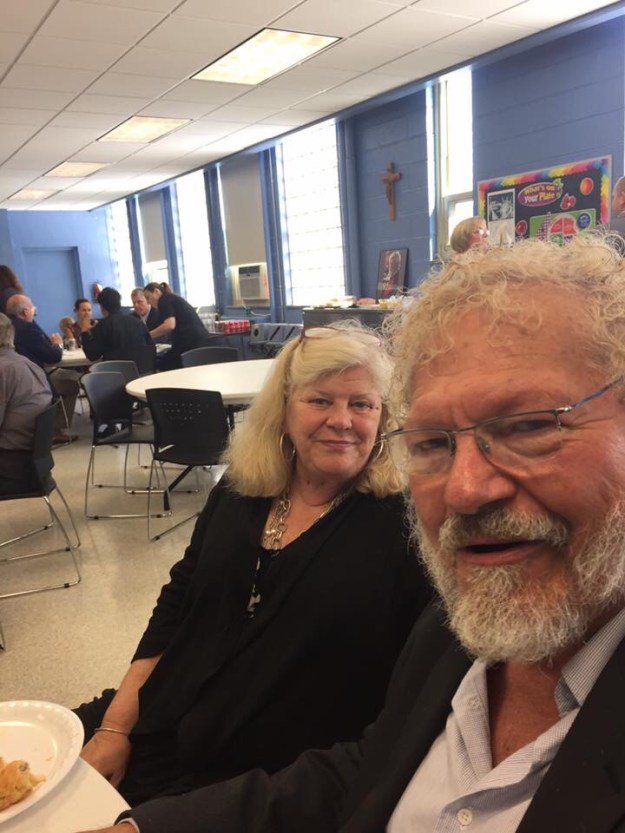
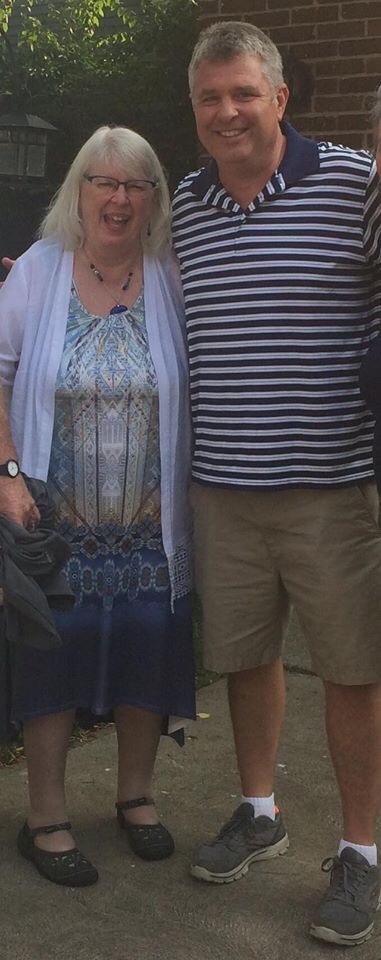
(Pictured Ingrid’s Aunt Mary and Gene;

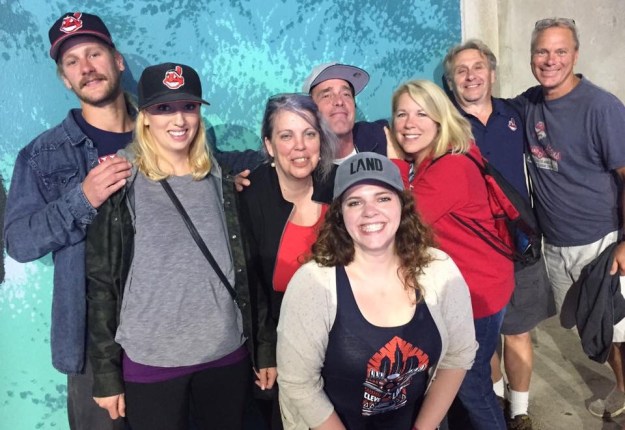
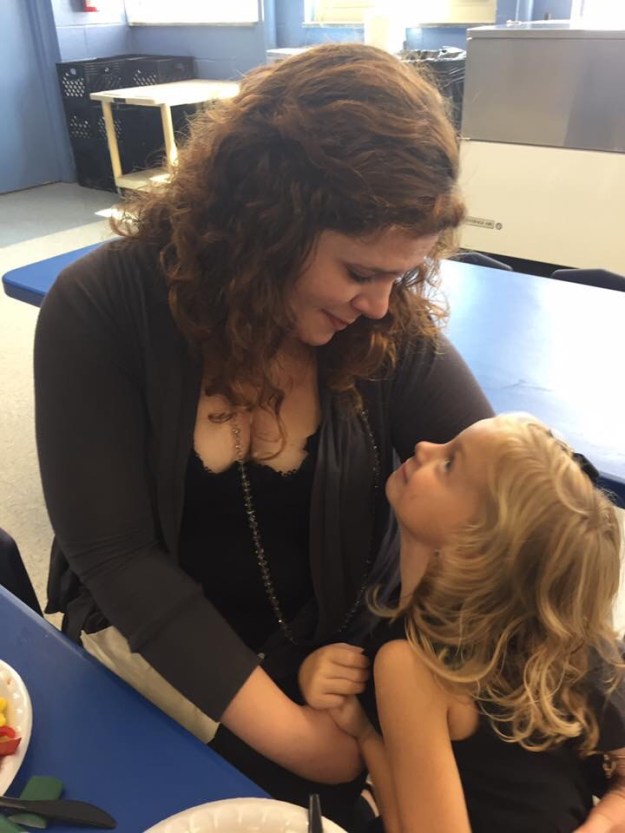
(above, Ingrid’s Aunt Lorraine and JT Fraser; above, Lauren and young Charlotte; above, Koehneke/Pinter at an Indians baseball game) All reunion for memorial of Ingrid’s dad, in Ohio.

The Little Book Of Guns

Americans, for your perusal. Peace. 

My Little Book of Guns

Book 1

Guns An Introduction

Adults please leave the room for just a sec.

Ok kids, adults are insane but you don’t have to be: assault weapons are bad, and should be completely banned.

Guns chapter 1

I had a Davy Crockett rifle that fired caps and little corks. We’d run out of ammo and have to pretend to bonk the enemy over the head just like at the Alamo. You know, “gun-wielding”. It didn’t occur to us to mow anybody down. There was lots of fake hand-to-hand fighting. My big sister occasionally tried to declare peace but we were unclear on the concept. We actually took turns being the victors or defeated losers. You got to win, or you were told you were dead. Then you had to lie down and count to ten.

Guns Chapter 2

Years ago I had a roommate – a jazz musician – who got a job as a security guard night watch. He told me they gave employees the option of carrying a gun or not. He chose not to, he said, because he might shoot me with it. Of course I thanked him. Then we had beers.

Guns Chapter 3

When I was young and working in North Beach I was held up at gun point at work. He stood between me and the only exit and backed out the door with the gun trained on me. I prayed no one would come in the door behind him. His hand was shaking. 

2nd Amendment, anyone?

Guns Chapter 4

I was also held up at knife point at work. I worked at a liquor store.The man with the knife came behind the counter, between me and the only exit. 

My co-worker was trying to decide whether to try and defend me by hitting the robber over the head with a wine bottle. He chose not to. 

Epilogue.

The knife-wielding robber returned months later filled with remorse. He’d been fired and was trying to support his young daughter. He was desperate.

He promised to pay the money he stole back. 

I know. The moral is unclear. It’s not an advertisement for an assault rifle, however.

Guns Chapter 5

I was actually shot at only once.

I was walking down Haight St in the old days. Back in the seventies. Heard a sound in a window across the street and instantly a handful of leaves were torn off the tree right above my ear. 

They rained down quietly. 

I didn’t think to zig zag or take cover. 

Or wonder, why me?

Why not me?

Book 2

Guns in Everyday Life

I have a friend who owns a gun. I’m sure he distrusts the police, feels at odds with society at large and understands a gang mentality somehow. 

He demonstrated how gunfire sounds in his neighborhood.

It’s a rapid succession of pops.

“Popopop pop pop!”

Then screaching car tires.

-Oh, and a lady I know lives on a block where a five year old girl was killed. Accident. Drive by shooting. Wrong place. Wrong time.

-Oh, and a co-worker who had relatives at a house in Oakland where multiple people were killed by gunfire at a party on a Saturday night. 

In Conclusion

It seems like it makes sense for women to have the right to bear arms. Protect and defend. Men, not so much.

Oh and the Second Amendment. Well Regulated. That would be your National Guard. 

Postscript. 

Instead of a nationally prominent politician, Harvey Milk is a monument. He is greatly missed.

jk

11/7/2017


Bonus question: 

Do you have a relative who accidentally shot himself (non-fatally, fortunately)? I do. A couple  of generations back. A little to the right or left and I probably wouldn’t be here.

***

Generations of Lost Time

(11/ 2018)

“On the night of October 1, 2017, a lone gunman opened fire on a crowd of concertgoers at the Route 91 Harvest music festival on the Las Vegas Strip in Nevada. He killed 58 people and wounded 422, with the ensuing panic bringing the injury total to 851. The shooter, Stephen Paddock, a 64-year-old man from Mesquite, Nevada, fired more than 1,100 rounds of ammunition from his suite on the 32nd floor of the Mandalay Bay Hotel.”

900 Lost Years. The Generation of Lost Time

What is lost when a person dies through gun violence?

The average age of the those twelve people who had their lives taken through an act of gun violence at today’s mass shooting (Thousand Oaks, 2018) being 20 years, and normal life expectancy being perhaps 75 years; that’s 55 lost years, say, multiplied by a factor of twelve equals 660 lost, unlived years. Potentially.

Yes, perhaps 12 lives lost, and 660 lost years, individually. But 75-year life expectancies x12 people equals 900 potential years of individual living, extinguished. In a few minutes.

Almost one thousand years of actual life not lived due to today’s gun violence here in California.

Think back one thousand years, because that’s what that is.

But listen:

If the median age of the 59 fatalities in the Las Vegas mass shooting a year ago, which some at today’s shooting witnessed, was 40 years, it’s safe to say each victim would have lived out another 30 yrs, so that’s almost a cumulative potential of 1,800 years of living taken away in last year’s Vegas massacre.

A period of 30 years is thought of as one generation, and by definition each generation would progress and procreate, so there is an equivalence, that if approximately 60 generations of life were lost- if thought of as a quantity of linear time, each life standing hand in hand, as it were- it would symbolically stretch back to the second century- to the year 218 a.d. of the common era, so could represent a lost history from that time- including the (lost) emergence of modern Western Civilization.

My co-worker, the former Tibetan monk, says that the generations of Lost Time should be imagined forward- not backward- toward the year 3818, symbolically.

What would this world be like in that advanced (lost) forward time? And, symbolically, any advances would be lost to humanity over that (symbolically) lost time of history, that can’t happen in this scenario.

That’s 59 people standing in a row forward or backward in linear time.

And add today’s 12 people into the calculation of lost time.

And last week, in Pittsburgh. (The Synagogue tragedy).

And now that loss is incalculable.

***

A Child’s Garden of Death;

An Alphabetic Primer

A is for Aftermath:

When something occurs that’s severe

B is for Bathos: politics that’s insincere

C is for Casualties- that’s what you kids were

D is for Dark Ages when false beliefs seem sure

E is for Emergency: mostly predictable griefs

F is for Failure and Flowers in wreaths

G is for Government unwilling to act

H for Hypocrisy feigning to care about the social contract

I is for Inconsequential, lives for which we don’t shed a tear

J is for Japan with less than ten gun deaths per year

K is for Kiss when someone says goodbye

L is for Last on a day with a sigh

M is Mentality like the automatic weapons-toting kind

N is for NRA (out of my mind)

O is for “ oh my god” as after the gunfire’s sound

P is for Plot as in planning, or a spot in the ground

Q is for Quandary what kind of automatic weapon to get

R is for Requiescat en Pace and forever regret

S is for Semi-automatic with a bump stock and extra magazines

T is for Tragedy and the search for what it means

U is for Unidentified until the parents are told

V as in in Violent Entertainment that never gets old

W as in Weapons of Mass Destruction which are used on a school ground

X as in crossroads where our destiny is lost or found

Y as in Young and hopeful- to the future we’re sending

Think well before we reach Z, a message a bit less

Heart rending.

jk

2/15/18

***

:1963 “The Release of the JFK Assassination Files, The Final Frontier”

Or, “Lying to Seven Year Olds”

Children.

The President was shot today. He died.

For a while, we don’t know how long,

your house will be full of ghosts.

Whenever you’re alone, a ghost. Under your bed, ghosts. On the landing: Definitely.

One ghost, the young President. Shot dead. And now he’s a ghost- floating around everywhere. So lonely.

That’s what death is. You become like an image you can’t forget. But everywhere.

The very young president, shot dead and now wandering. Wondering what happened. Longing to tell you something, to know something.

A sad quiet sick feeling in the whole world for days. Thumping drums, horses’ hooves. TV becomes a funeral parlor. A picture of the ghost in every window.

Scary as it is as a kid, you and the ghost have an understanding. That, if you could figure it out, the dead President could be at peace. The president wouldn’t have to wander forever. Not to hope to lead, and to be unable. Not to wish so hard to reassure the people, and to be unheard.

What would help would be the truth.

Just to tell the truth. Just for one person to tell the truth, about what occurred on Nov 22, 1963.

That can never happen.

jk

***

(After a synagogue shooting the survivors requested the President not come to memorial.)

Please wait

Don’t bring the Secret Service,

the NRA,

the black armored vehicles

the rooftop scopes

Please wait

Don’t bring the hate for the huddled masses’ yearning or the lies

Don’t bring your birth certificate or

the ghost of your fascist father

Please wait

Don’t bring your immigrant wife

don’t bring the daughter who turned her back

looking forward to skiing vacations,

the children abandoned in cages

forsaken

through your inhumanity

Please wait

Leave behind your princely son, who does the sword dance with our enemies

Please wait

Don’t mumble a prayer with a prompt from Siri

or Google the sacred tradition at the last minute or read from prepared remarks

Please wait:

we don’t counterpunch at a funeral

or send the migrant ship back

or close our hearts at borders

Please wait to capitalize

to dominate a scene of loss

to dishonor the past

Please wait

jk

10/30/18

***

Our Mall Shooting

1. Our mall shooting wasn’t a very big one. It’s not going to mean much to the public at large, I suppose: only two people wounded.

But the following occurred just down the road from me- where my wife used to work every day. Right by our food court, where everyone hangs out.

“It was like, ‘pah, pah.’ Then it was a pause. Then it was, ‘pah, pah, pah, pah, pah,'” said staff Sgt. Isaiah Locklear who was working at the recruiting office when the shooting happened. He said he ran towards the commotion and saw a 16-year-old boy who had been shot in the stomach.

“He was laying on the floor, waving his arms. ‘I’ve been shot.’ He’s like, ‘Please. Don’t let me die. I don’t want to die. That really hit me.’ He didn’t want to die. I was telling him he wasn’t going to die. I was going to stick with [him] through it,” Locklear said.

That’s the tv reporter’s description of a shooting at the Tanforan mall where my wife used to work, until recently. It was only a month ago, July 2nd.

That was just a week before the Gilroy shooting, which is already receding from media memory- Gilroy, where I have family.

That’s two shootings a week apart that could have impacted my life. Ok, that did impact my life. We are just so good at moving past these incidents now.

The Tanforan incident was not a mass shooting, but a level of gunfire that evacuated the mall and sent a search along the commute route of the rapid transit- and so affected the entire community.

My wife had recently transferred to another department store, and the feeling was hard to repress that things could have been far worse.

***

2. So I want to say something about retail.

Americans, the workers in your stores are under fire in several ways.

These precious jobs are drying up as the tech industry transforms retail into a fully automated impersonally robotic world.

And the workers in those dwindling jobs in department stores that still exist are underpaid, as most workers are, in an overvalued, hyper economy.

So, have you heard whether the victims of the El Paso shooting were workers? Or how a shooting permanently impacts a work environment?

No, because we are conditioned not think in terms of workers and workers’ rights and the well-being of workers.

Workers are expendable. That is the unspoken subtext of this tragedy.

That is why Congress won’t act. Because, for them, you don’t exist.

When the stores and the retail jobs disappear people who can, will buy things, through Amazon perhaps, and so feel insulated from danger.

But those jobs are disappearing- and they are not being replaced.

Mall shootings? Workers’ ability to make a living, to work in a safe environment-it’s not an issue that Congress is worried about.

Do you know that stores are safe havens for the homeless? That those with no place to go find department stores, for warmth, a bathroom, a hiding place, a momentary shelter – and no policing can solve the myriad impacts on that work environment?

So the few workers are sheltering-unwillingly -the many homeless. A symbiosis, of sorts.

No, the homeless and the American worker don’t exist for the US Senate, or the bankers and hedge funds and people in Admin and Finance.

These won’t be the last shootings in a shopping mall. Not until there isn’t a mall, or a store or a retail center with people in it to serve you.

I’m glad my wife is ok, I thank god my Gilroy kin were unharmed. I’m horrified, as is everyone, at the news of more gun violence, every day and in every way. Including murder and suicide.

We aren’t divided on this issue- despite what gun advocates say. They say that whatever we decide to do won’t work.

They’re wrong.

***

Oh here’s a fun fact: the shooters in our mall- they were just kids. Sixteen years of age, and fifteen. So only a potential mini-massacre; it really doesn’t count. Already forgotten.

Kids with guns. Is that in the Second Amendment too?

***

Note to Self:

I don’t wish to offend any animals but.

Did you hear?

The Elephant is leaving the GOP.

Elephant would like to be removed from political logos due to centuries of gun violence against elephants.

Yes. The elephants know all too well.

Usually animals take no stand on political matters, by minding their own business.

Times have changed.

Other animals have refused to be Republican Party mascots:

Snake

Porcupine

Skunk

Jellyfish

Dung Beetle

Buzzard

Junkyard Dog

Chicken

Termite

Cockroach

Lizard

Slug

Animals that object to being hunted down like humans (such as Wolf) have stood with Elephant against gun violence.

They are too numerous to list here. But they know gun violence can pretty much destroy paradise.

WAAG. Wild Animals Against Guns. They have neither website nor social media.

They do have feelings- and intelligence; it was the animals that originally taught humans what to eat and how to survive. They know a lot. We should listen.

***

Lions have asked not to be stuffed and displayed in your penthouse. Thank you.

-So far we have 90% of the humans, and all of the animals, against gun violence and for common sense.

(No animals were harmed in the making of this public service announcement.)

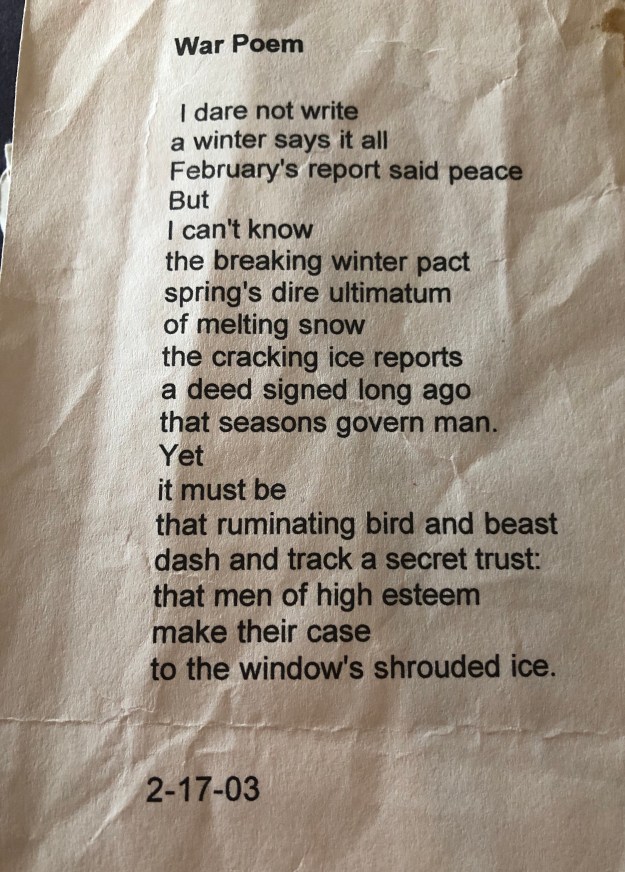
My Debate- poems in wartime

Looking through a crate of poems. This one was

“on the presidential debate” -it was october, and a war was going on.

So here’s an old poem from the last war, about a Presidential debate.

***

My Debate

…I understand the President’s speech after 911

I understand it.

…To change the world, throw it all forward, everything at stake-

I understand it.

…I understand the philosopher’s dilemma:

To change the world through ethics seek justice, everything at stake-

I understand it.

…The victim’s cry

I understand it

To throw it forward so all can hear-

I understand it.

…My place in the world

I understand it

my push toward truth let go the lie-

I understand it.

…The call of the World

I understand it

To throw it forward sight unseen

I understand it.

10/10/2004

Walrus -and the Democrat.

a doggerel from the last war

(10/11/2006)

To the tune of “The Walrus and the Carpenter”

Republicans and Democrats were walking arm in arm

“A little conflict far away shan’t do us any harm.”

Said Republican to Democrat, “I know what we shall do. We’ll bomb a nation far away from peaceful me and you.”

“‘Twas them that attacked-not we,” concurred his Democratic friend, though who ‘they’ were eluded, as to whom and why and to what end.

“Afghanistan, Iraq, Iran, they look alike to me.

“Let’s bomb them all,” said Democrat,

“and peaceful we shall be.”

A peaceful world and safer, for moms and apple pies

“I do love apple pie” said Repub as he did amble by.

“Mom’s a saint- she’d love us for the peaceful things we do,”

said Democrat. “After all I’d rather fight them there, than here near peaceful me and you.”

“Fight them there in old Iraq, it should be very pleasant.

It’ll take a week or maybe two, just like hunting pheasant.”

“Republicans and Democrats, we do it for our own protection.

And anyone who disagrees might lose the next election.”

And off they went contented at their mutually assured contention

that military force be used to make a peaceful intervention-

upon the world and its children to make a safer place

though the only place of safety may be in outer space.

A million sons and daughters went to fight the peaceful war

One out of five, or 20 percent was wounded, dead, -or more.

But peaceful day and happy had Repubs and Dems back home.

It’s time to rest from thinking, how hungry they’d become!

“What’s for lunch, Republican?”

asked Democrat so meekly.

“You tell me, oh Democrat,”

replied Republican discreetly.

“No you decide,” said Democrat, not wishing to offend.

And here we leave the peacemaking friends

for here our poem must end.

***

This was a poem for Cindy Sheehan whose son was killed in Iraq. She became an anti- war activist, vilified by Republicans. From my memory box.

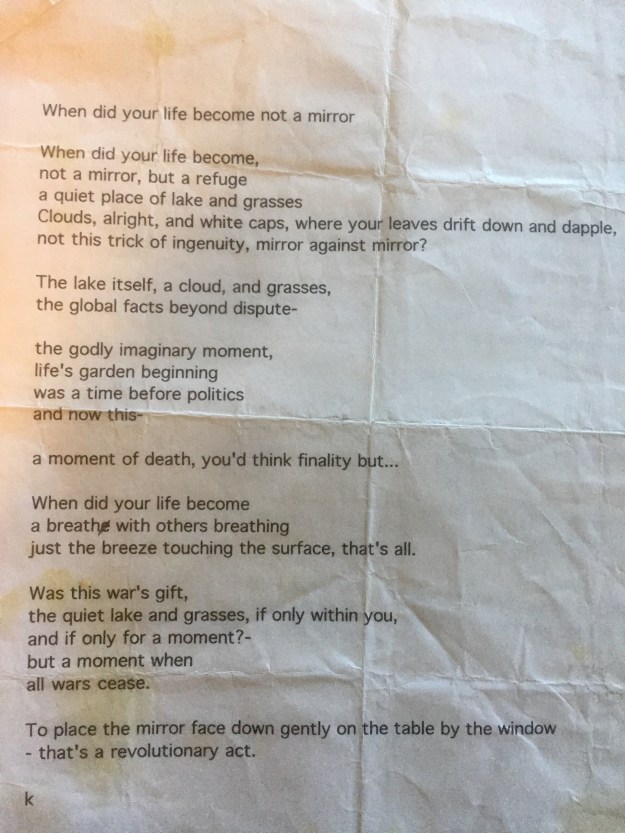
“When did your life become not a mirror” ( a poem for Mrs Sheehan)

When did your life become,

not a mirror, but a refuge

a quiet place of lake and grasses

Clouds, alright, and white caps, where your leaves drift down and dapple,

not this trick of ingenuity, mirror against mirror?

The lake itself, a cloud,

and grasses,

global facts beyond dispute-

the godly imaginary moment,

life’s garden beginning

was a time before politics

and now this-

a moment of death, you’d think finality but…

When did your life become

a breath with others breathing

just the breeze touching the surface, that’s all.

Was this war’s gift,

the quiet lake and grasses, if only within you,

and if only for a moment?-

but a moment when

all wars cease.

To place a mirror face down gently on the table by the window-

that’s a revolutionary act.

jk

6-2-07

***

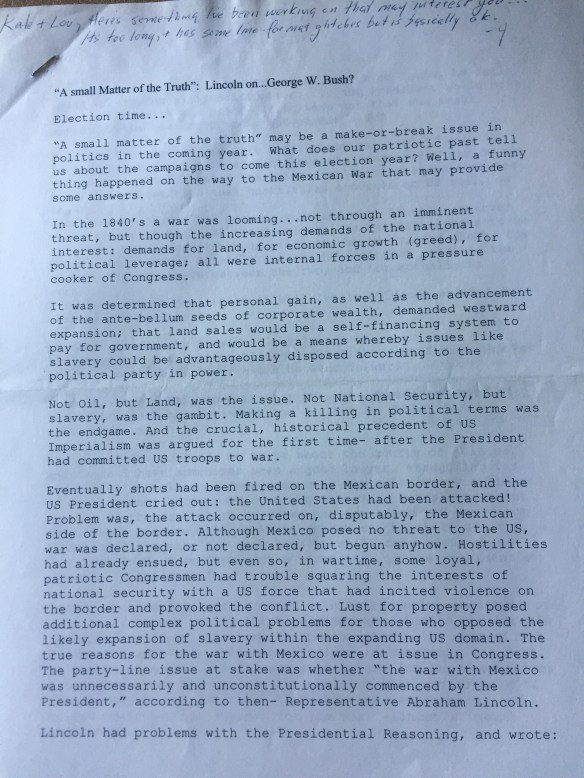
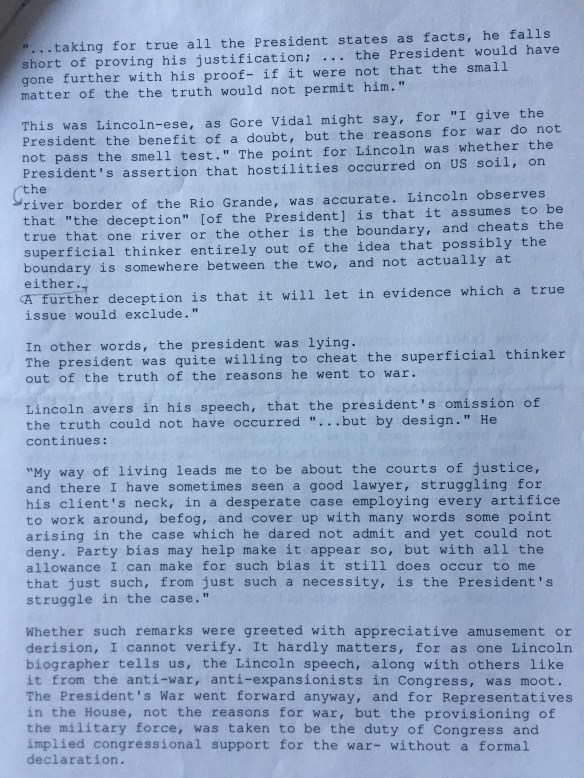
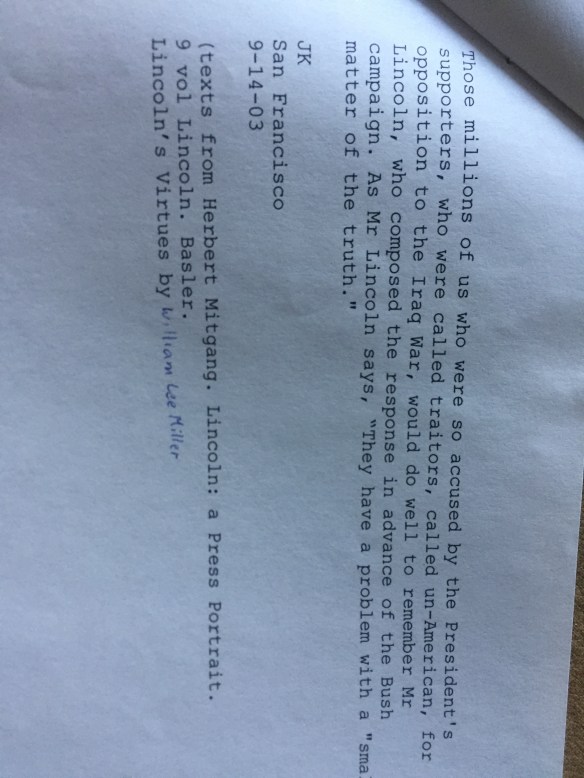
“A Small Matter of the Truth”

Redwood Rhapsody (California beginnings, one of many)

Redwood Rhapsody

It’s a gorgeous September morning. Fall is imminent, with all its unexpected drama of falling leaves and explosions of color. In Northern California, the best weather can be had in mid-September, in the shifting Indian Summer that brings warm sunshine, heat and perfect evenings. You’re panning for gold and it comes in September.

The vacation is over for most Americans, so the tourism thins in mid-September. I go north up Highway 101 with a private, sneaky kind of pleasure, knowing I’ll have the gold hills, the mottled forest drive, the enormous vistas mostly to myself. I stake my claim and tell no one. I can stay in small towns like Ukiah or Willets if I get tired of driving, and find a cool motel room and kick back. And in the morning, I’ll go to the redwoods.

If one drives north from San Francisco, one can visit the redwoods, and this is the best time of year. They are our crowning achievement, though we had nothing to do with their creation. They belong to us, and they fill us with pride of place and wonder. There is nothing like them on earth. These are our redwoods, called coast redwood, sequoia sempervirens: forever living.

They stand like towers of austere beauty all along the north coast, though just a bit inland, where they can gather enough calm and fog to make them happy for a thousand years or two.

A thousand years?- More. Fifty million years would comprise the timeline of the former world in which these giants dwelled supreme, dominating the entire continent. The redwoods were everywhere in the primeval landscape- They ruled in peace.

Impervious to fire, immune to disease, knowing no significant threat whatsoever, they sprouted upward, utopian, three hundred feet high, creating a canopy that filtered the sun into natural groves of shade and darkness, making them the perfect friend of the tiniest forest dwellers.

Spiders spin delicate webs in the corrugated bark; bats nest within their trunk hollows, while dinosaurs walked by in ages past. My personal favorite inhabitant is the big raven, whose scratchy old caw echoes throughout the place, a sound like rubbing an old gourd with a stick- a sound I know was heard just the same eons ago. The same peace, the same place.

The raven and the redwood seem to have a special rapport, its caw echoes so evocatively, so mysteriously, in the groves. It echoes around the secluded place and is the sound of its memory. I know this raven knows all the stories, and still reports the latest news in the grove.

If you go to the redwoods, to a place like Richardson Grove, you may as well just bring yourself and leave your camera behind. It will only distract you.

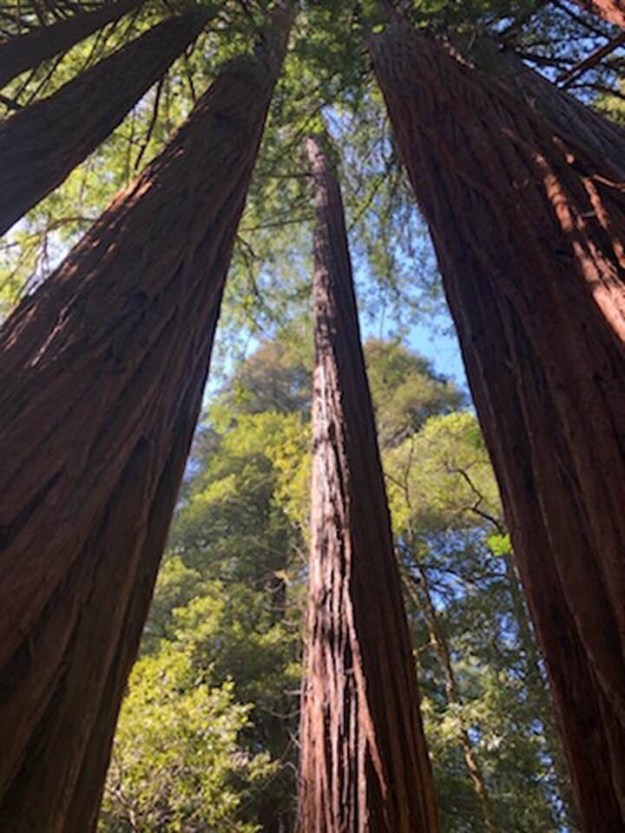
Here the trees stand like staves, in giant ranks all around you, so tall you can’t get them in a picture. And the sun bathes the place in shafts of quiet and light. It can’t be photographed. You’ll just have to memorize it. Scores of two thousand year old trees, their eminence, their peace, all around you on a September morning. Try to allow it all to effect your psyche, so that later you may remember, and so you can daydream about it when you need to.

Funny, that among these trees you find yourself face to face with their feet, so you gaze into the patterns of bark. We’re small, they’re tall. That’s just the way it is. The redwood bark has a sculpted quality, as though loving hands passed down, leaving furrows with each fingerprint, pleased with its finality.

I find myself looking for my favorite bark. Some are golden, some a lighter gray, like ash, and these look museum quality to me. There are primeval, dark trees too, with blackened bark from fires a generation ago, or a century; from the stunted trunk a giant candelabra formation rises like a wooden torch held aloft- a new tree or two, or more, held suspended by the former trunk of the old, the structure of which endures to support the whole.

Some bark looks virile, I must admit. And some are haggard. I scout the oldest trees, which have a stone-like austerity.

Once, after riding the old logging Skunk Train through the forest, I asked a resident what she liked best about the redwoods, and her answer has to do with the bark. She said the bark of redwood has the powdery red particles, for which the redwood is named, and when rains come, all that red washes down the streets- but reflects gold when the sun breaks through. “The streets turn to gold,” she said. Good answer, I thought.

Standing at the base of the greatest tree ever, the foot of which is so like an elephant’s- you just can’t believe it: it’s living, and it stands, and, massive, thirty feet around, in diameter, flat at ground level, it grips the earth with its very treelike knuckles, but beneath the surface the root system is very shallow. The tree just begins, shoots straight up as high as you can see, without pretense.

It is an irony that the great redwood is most vulnerable at its base. Human footsteps too near may impact the ground around the roots, compacting the soil, making it hard for the roots to breathe, We unwittingly harm these trees when we draw near them. I know I harm these trees. They are delicate, sensitive. I am certain they know not only my car exhaust, but my human breath, and must somehow be aware of my presence, perhaps even of my thoughts.

But look up, traveler. That’s what we are here for. The whole deal with the giant redwoods is their enormous height. You stand at the foot and look up in vain to find the crown, which is lost among the foliage, it’s needley green complexity ‘way up there, four hundred feet above. Up, up, up- well over a football field straight up, as one writer points out to the earthbound among us.

And beyond is the bright blue sky, and there the topmost branch, in an aura of golden green, glories in triumph, meeting the sun, lording over the landscape, greeting the elements of the natural world from an absolutely unique outpost. You go there. You imagine the prospect and you go, imaginatively. This gentle giant of a tree beckons you to think about the view from up there. And a whole chorus of trees equally tall stands all around you. Every treetop crowns the atmosphere, as it has for centuries and centuries, going back in time.

Brave loggers felled the big trees. And sometimes nature brought them down, through washouts. But glacial epochs had much to do with the near extinction of coast redwood everywhere but here. Here on this September morning, where I stand among them.

In our time, we use the fallen as a timeline, counting the tree trunk’s rings back through human history. Particularly famous attractions we note with a pin: the date of the Declaration of Independence (a living thing happening!) – there is a ring for that; back to Magna Charta,a deeper ring; the Roman Empire; the birth of Jesus, still more concentric rings, into the tree’s core. The tree’s rings register even earlier events- In terms of the chainsaw, it is an unwilling disclosure on the part of the tree, nonetheless translated to laptop, and now to thee.

The tree rings give one an idea of just what California was up to at the time, growing this very tree, among other things. When Romans were building and losing their distant empire, there was quiet in this grove, when this particular tree was young.

Once in the redwoods up in this place called Prairie Creek, I saw a little herd of elk standing in the gravelly riverbed. Fascinated, I went back to the spot at dusk and watched the elk rise up like spirits from their resting place, awaken into movement, and slowly, methodically, gather to move into the foggy upper reaches of the redwood forest. In the daylight I was somewhat shocked, for they were looking back at me: I was the object, not them. But here I stood unnoticed at dusk by the riverside in the gloom.

And then the elk gave forth an awe- inspiring bugle call as though through those long ancient mountain horns of Tibet, and it screeched out it’s shrill breath and echoed throughout the region. I felt it in the core of myself, in the ground of my being, and it scared me, the sound was so very primeval.

This language predates Man. And the call then was returned from the fastness of the hills, sonorous, shrill, this crazy elk call of nightfall.

And the elk will go in peace to some unknown place and observe Night as it has existed for eons. I’d heard something that has to do with the beginnings of what I think of as Time, and the fallen redwood tells of similar things.

Once, near the Avenue of the Giants, I took a path away from the sunlit trail and found myself in a really creepy old growth of trees. Ferns everywhere, black old patriarchal/ matriarchal redwood trees, thousands of years old, frowning down at me; old hunks of forest impenetrable all about, and darkness and crows squawking, and I realized I was getting too close to the edge of my Time Period. I wasn’t far from the path, but this was plenty primeval for me. I think of this place only when I am safe in bed, under warm covers.

You can see ghost redwoods, too. The children of the old tree stand in a circle, for they grew as sprouts from its center. Sometimes the middle tree dies, finally, after many centuries, and may fall, and over time be swept aside, decay, leaving the empty space around which the young trees stand, now grown and towering above you in the grove.

The position of giant trees, which stand around the central empty space, infers the history going back to a time one can’t see. Perhaps a fallen trunk is a thousand years old: it supports life today, and promotes life as it decays. That is nothing new. But once the tree was a mere sapling.

I brought such a coast redwood sapling back with me. It was one inch tall. Perhaps it too will live to be two thousand years old. If it grows we will plant it and that will be a memory tree to someone who lived and is now gone. As I write this, I wonder how ancient that very thought is, that the spirit of someone you lost would live on in an eternal tree like a redwood.

Who knows, there might be an ancient piece of redwood in your deck, or more likely shingles, furniture, sequoia sempervirens, part of your house. It was plentiful at one time. Seemed endless, that time.

There is the sunlit majesty, and there is the darkest edge at which one ponders the beginnings of Man. And there is daily life in September in the dawn of a century. The dawn redwood knows all of this, I’m certain.

So drive back home through the Avenue of the Giants, seemingly endless regiments of three hundred foot trees passing by. Do the math on their cumulative age and then give up: there are too many years involved in forest time.

And when I asked the redwoods about time they replied, “What time? There is no such thing. How old am I? I am new today, though I stand for 1500 years, I am new today!”

I drive, piano music on in my comfortable rental car, and soon I’ll be out of this ancient place and back in San Francisco, having a latte.

One night I had a dream. I loved the redwoods so much I dreamt the perfect redwood tree! It stood tall against the sky alone, enormously tall – incredible. It was pure and bright, the bark slightly luminous, made of dream stuff, and the redwood stood out against the brilliant night sky of my dream. And by the tree stood a little house. Secure. And by the house and the tall redwood tree, a familiar path. Familiar. And that was all. I woke up overjoyed, for I had found it. The eternal tree, sequoia sempervirens, ever-living, that I could go to at any time. It was in my mind, my psyche. It’s there forever. I am right there now. And you can go there too.

james koehneke

San Francisco

September 10, 2003 (Written as a kind of mental postcard to Californians who died on Flight 93, at Shanksville, Pennsylvania, on Sept 11, 2001.)