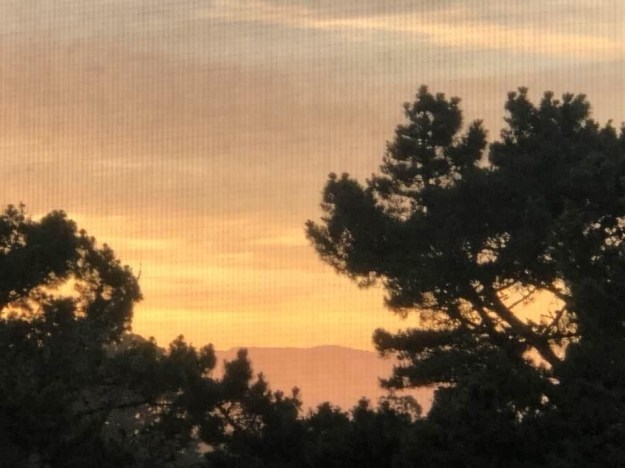
1. Ingrid at Linda Mar; 2. Granada green field; 3. Pacifica; 4. Oyster Point; 5. Sharp Park; 6. Mori Point; 7. Eastmoor view of Mt Tam; 8. Farallons sunset through binoculars; 9. Ingrid on Eastmoor, panoramic vista; 10. Mt St Helena, from the Mission, SF; 11. Mustard near Granada; 12. Wave, at Sharp Park; 13. Crystal Springs Reservoir; 14. Bay Bridge, during Paradise Fire; 15. Linda Mar landscape; 16. Filoli in black and white; 17. Blue Marin escarpment from my Eastmoor window through binoculars; 18. Avalon Beach, Daly City; Avalon Canyon (black and white); 19. Pacifica Mori Point; 20. Granada Princeton-by-the-Sea, green fields; 21. Ingrid at Eastmoor vista; 22. Mori Point flowers; 23. Redwood tree, Redwood City Hall; 24. Filoli olive trees; 25. Pacifica; Thornton Vista, Daly City; Ingrid at Pacifica pier; Villa Montalvo; bedroom window screen north to Marin from Daly City: home.
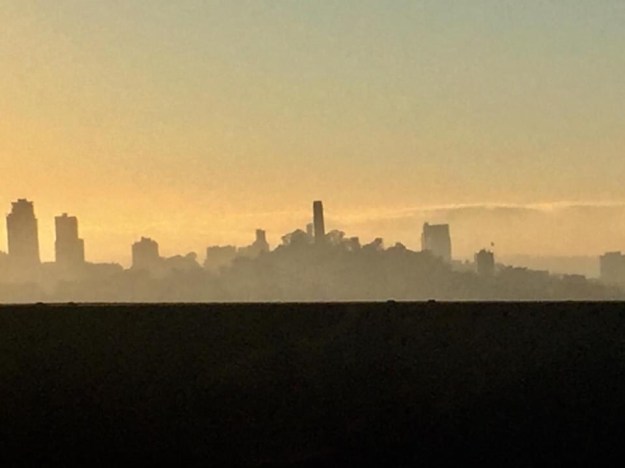
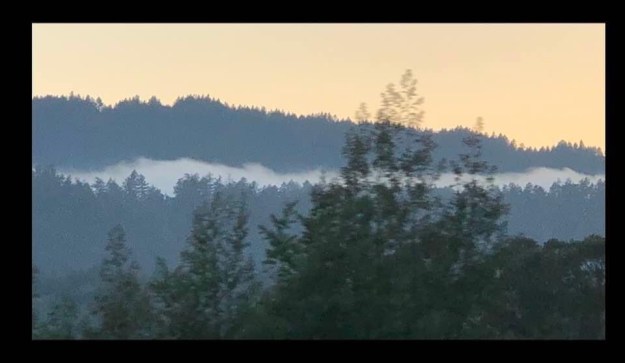
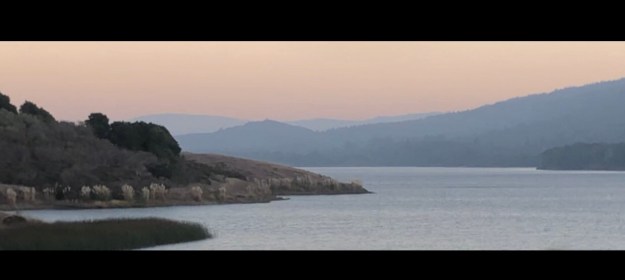
(above): Montalvo garden; Marin sunset from bedroom window; two car views from Bay Bridge, Marin headlands and SF cityscape; two views of Skyline Ridge; two views of Crystal Springs Reservoir; water lilies in Filoli sunken garden.
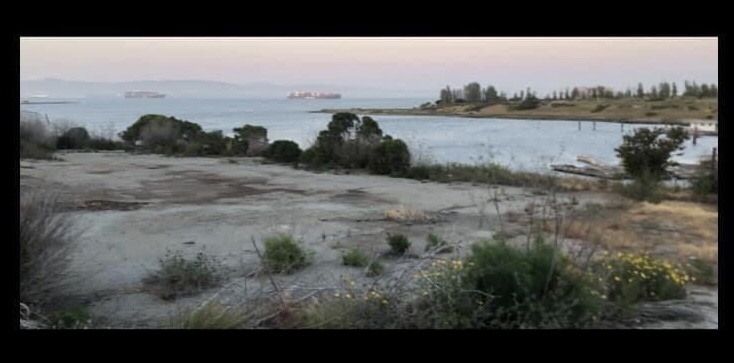
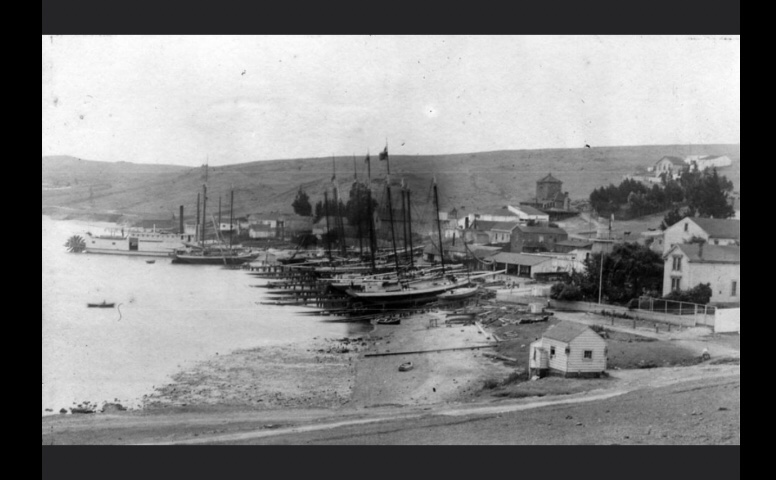
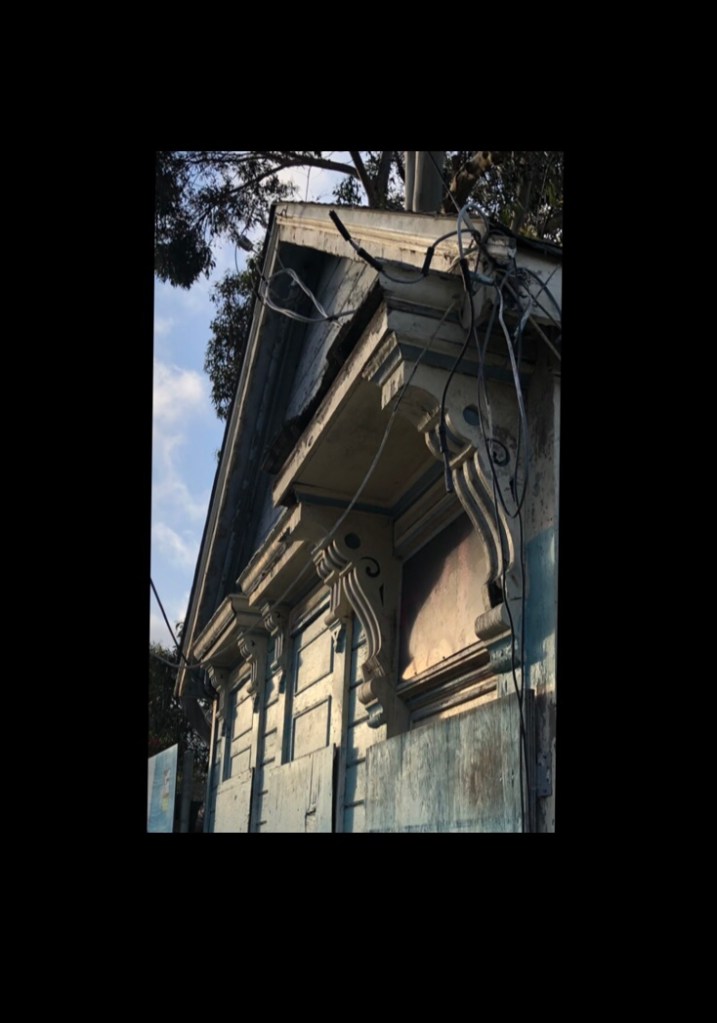
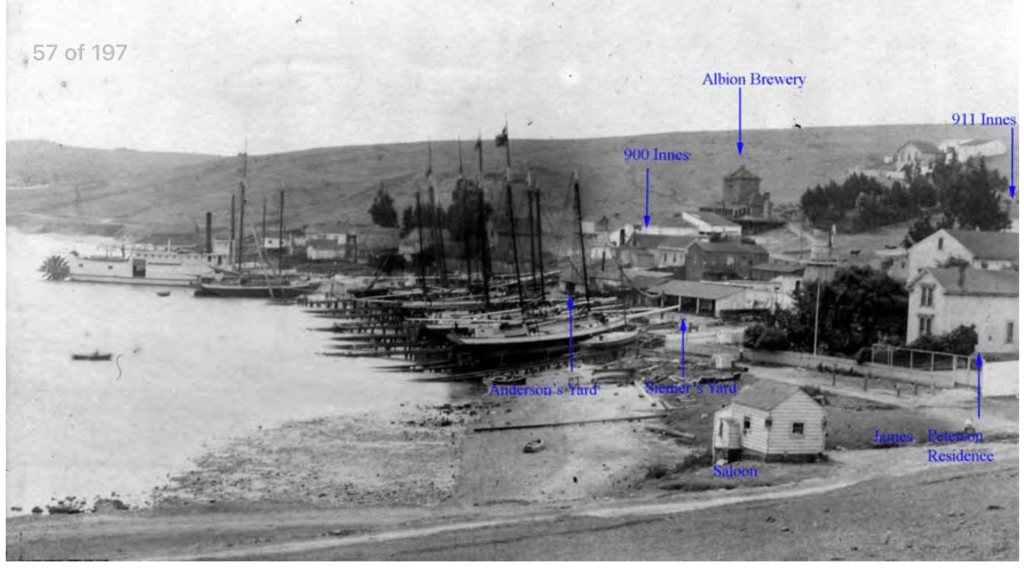
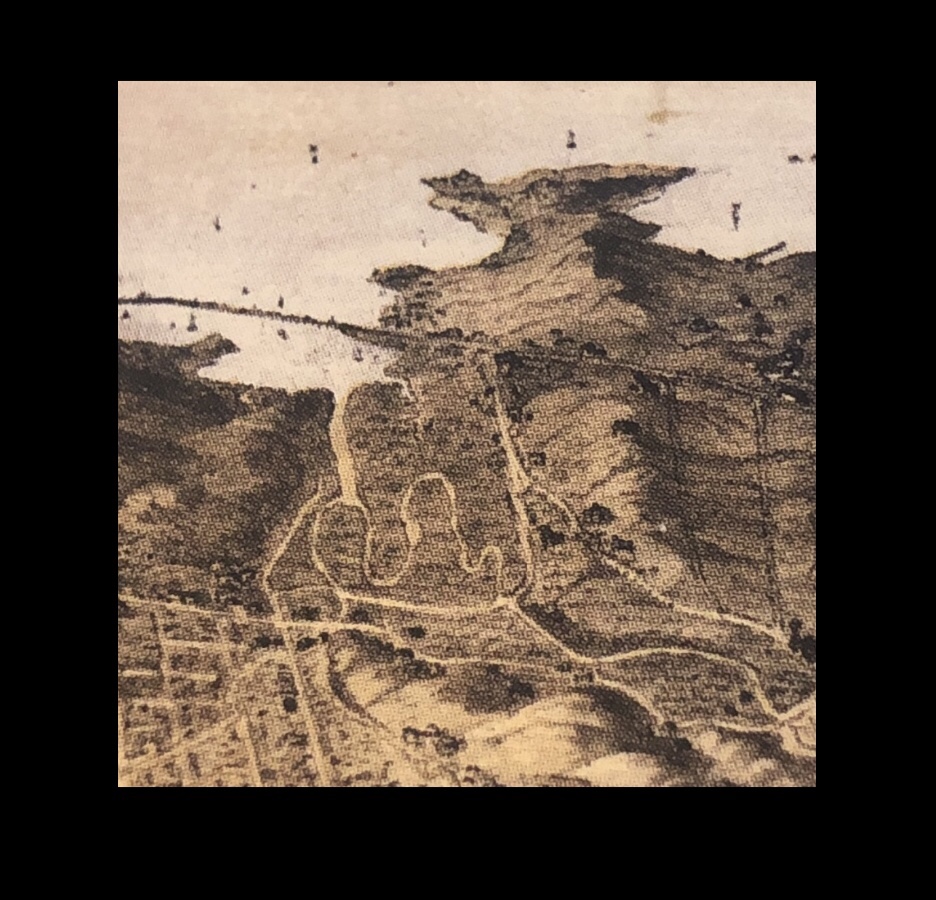
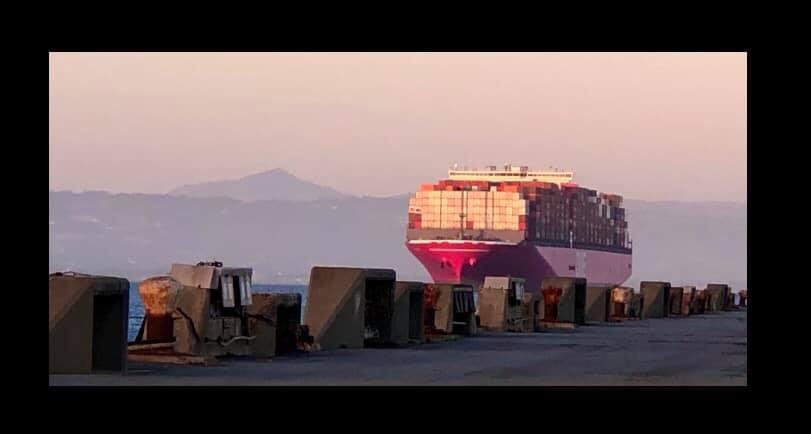
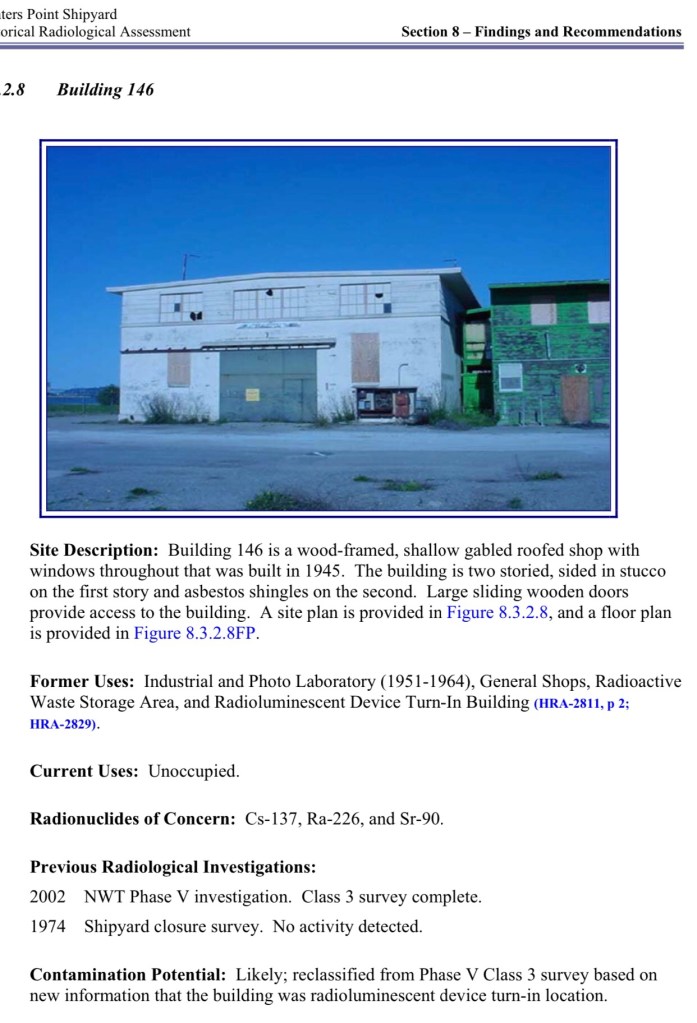
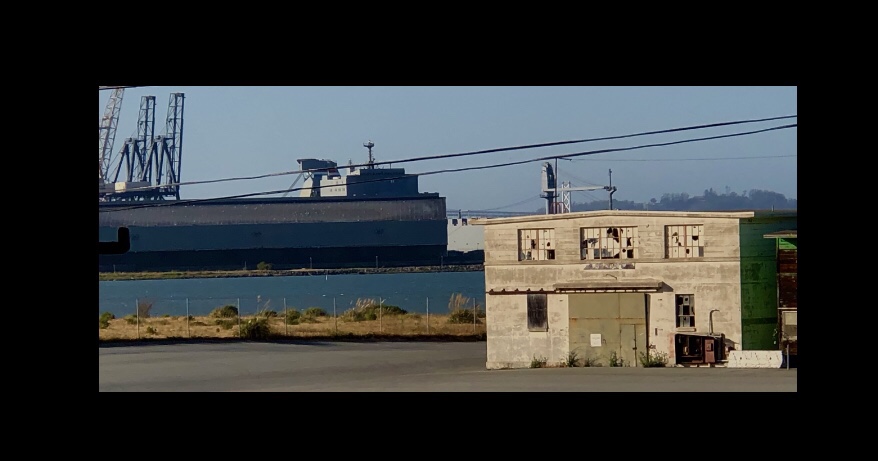
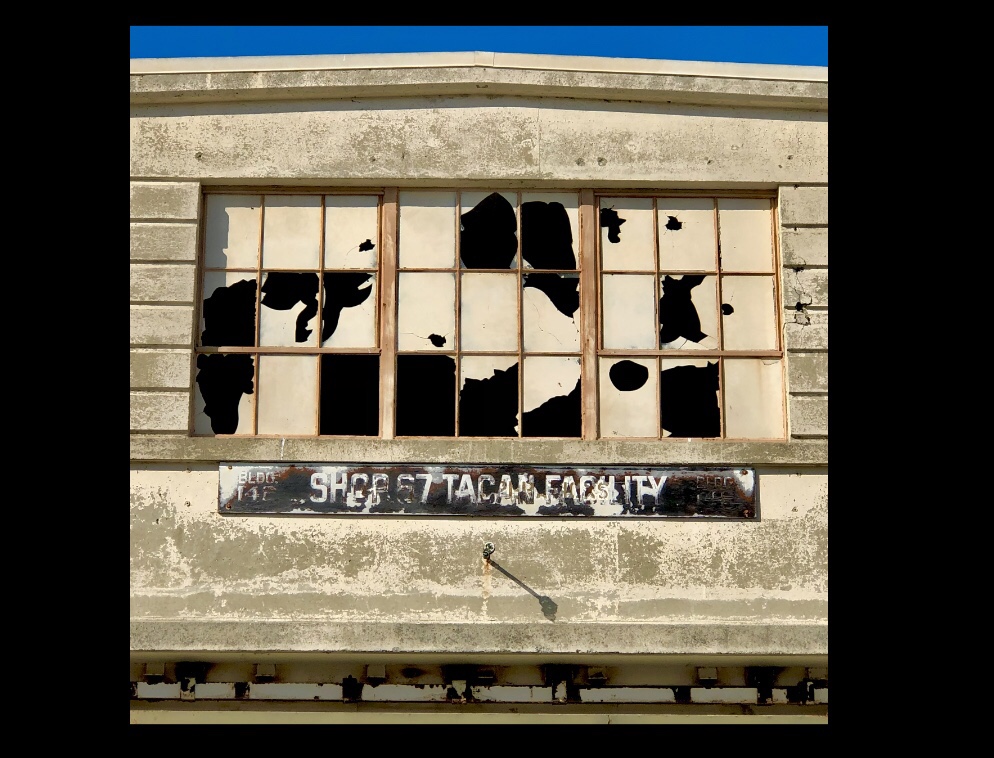
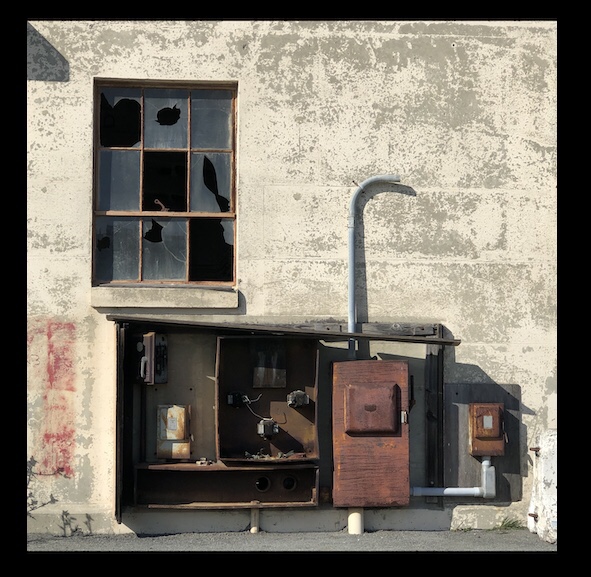
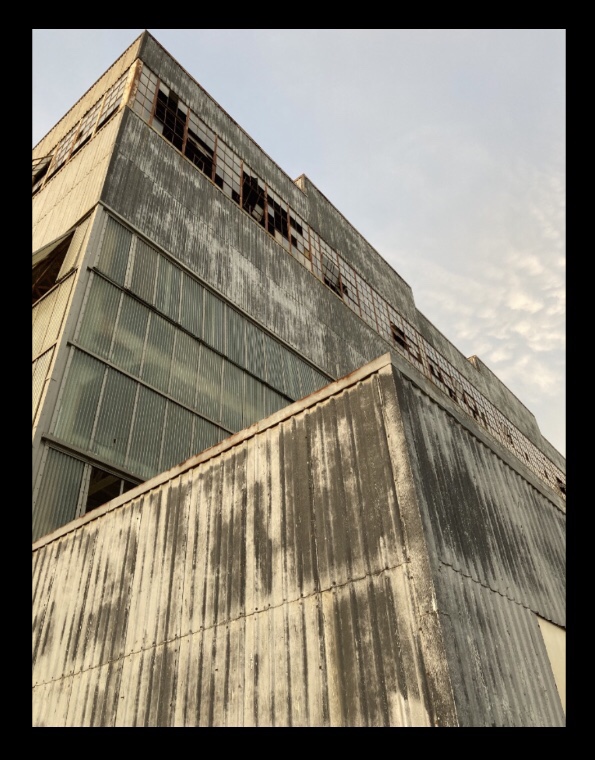
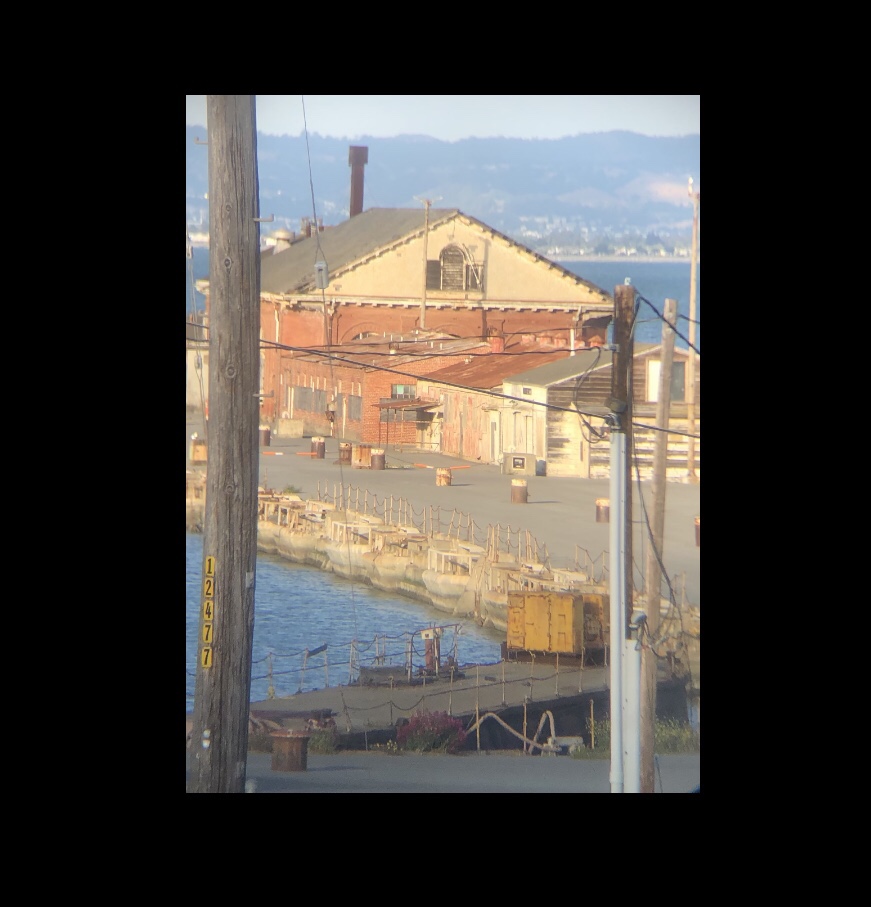
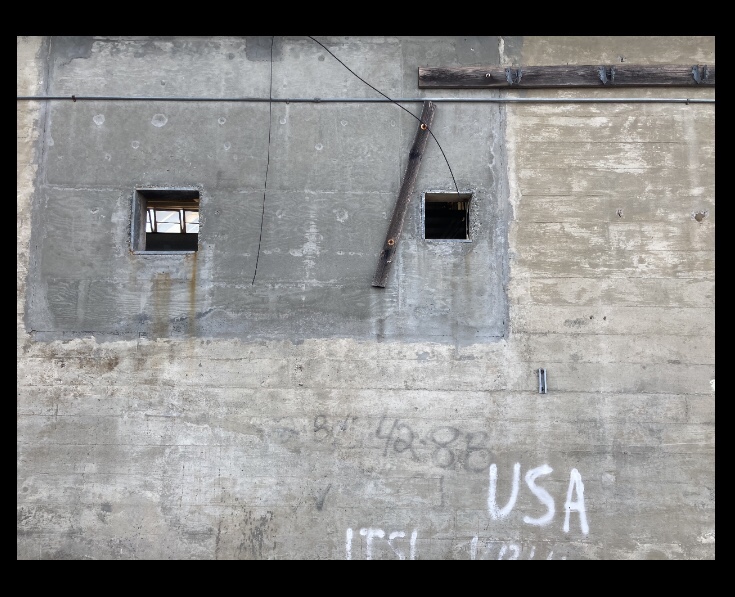
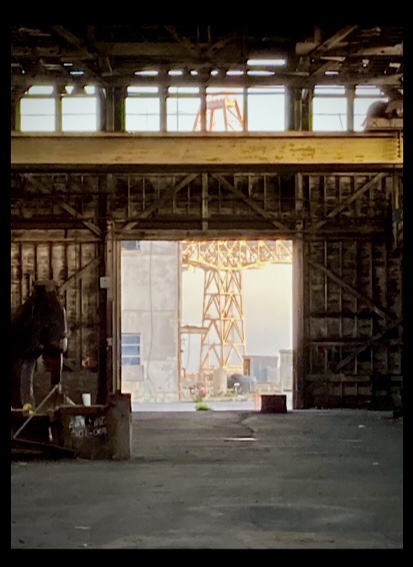
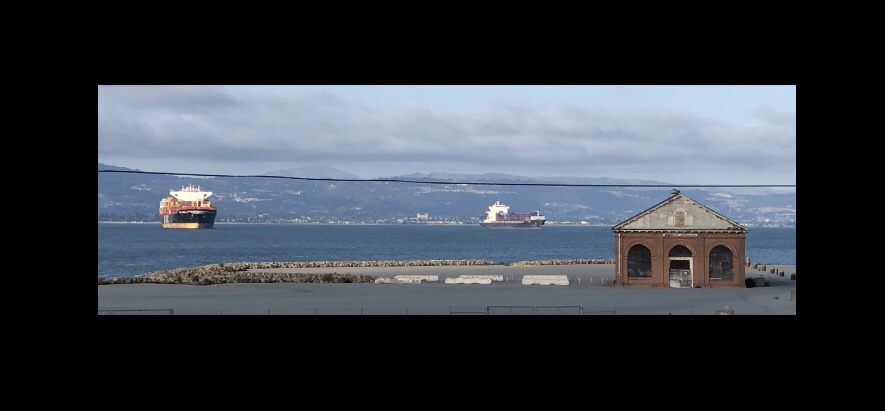
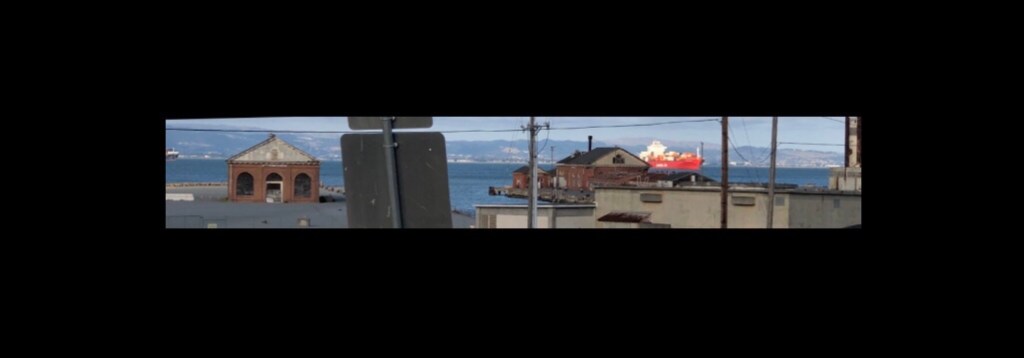
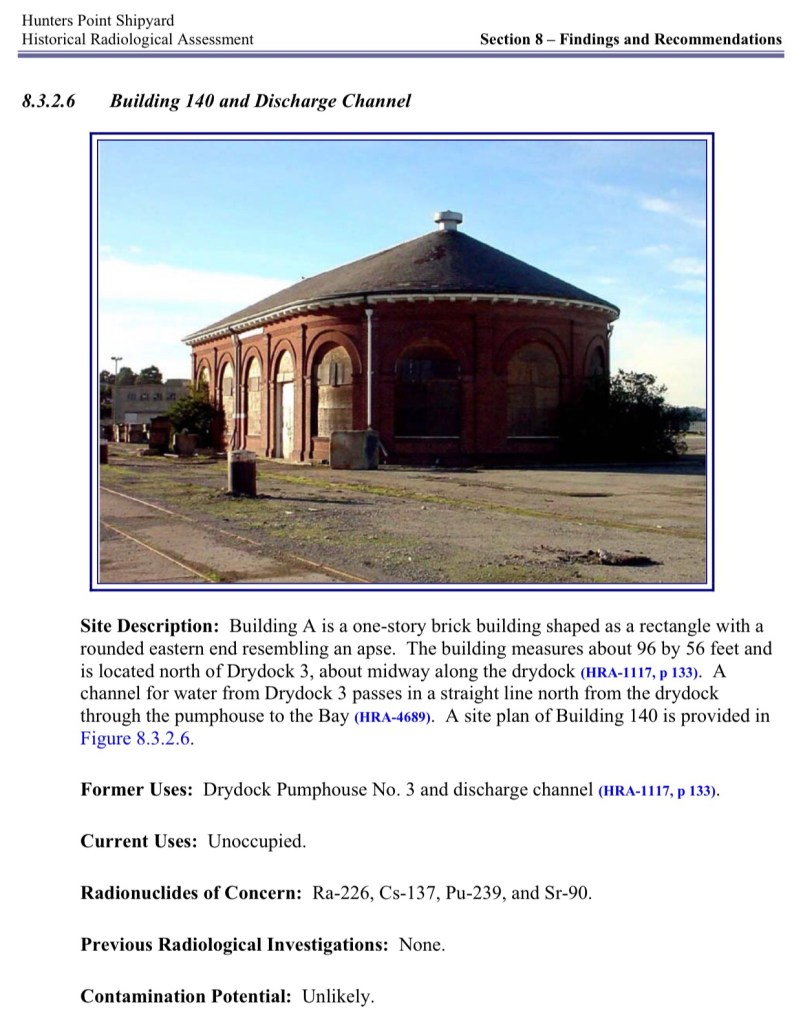
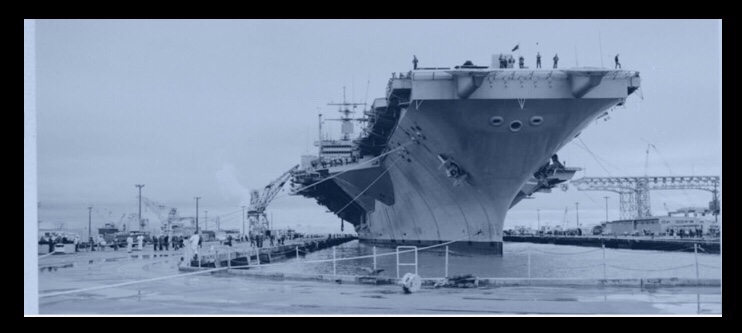
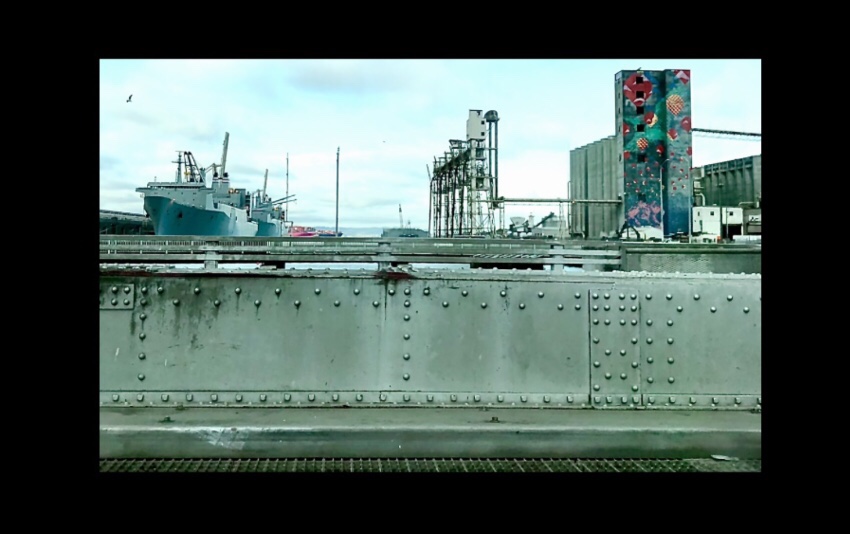
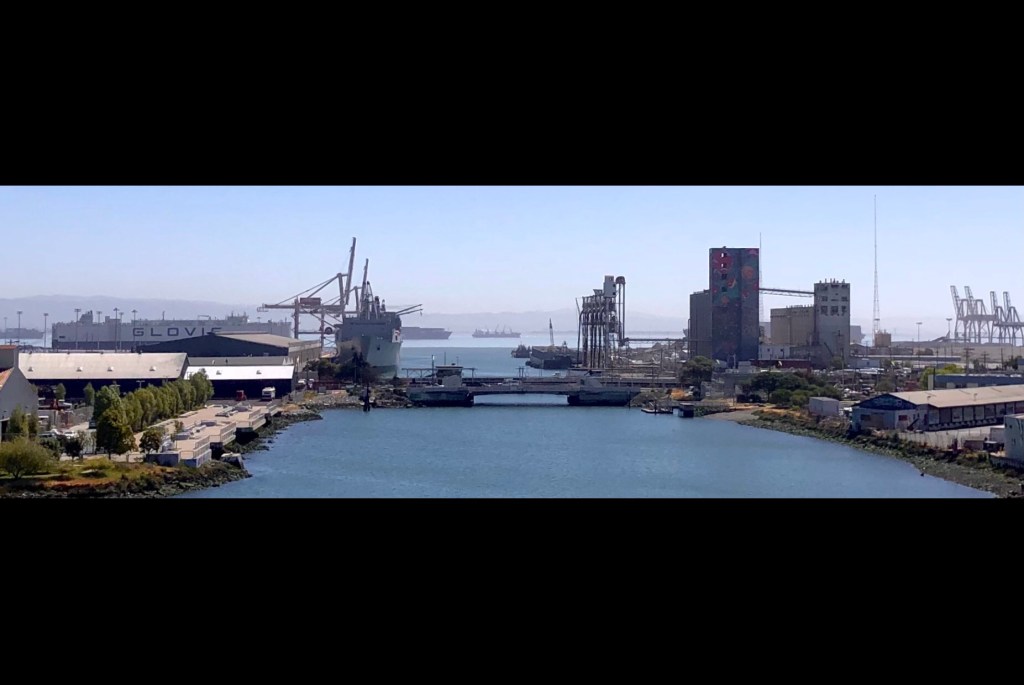
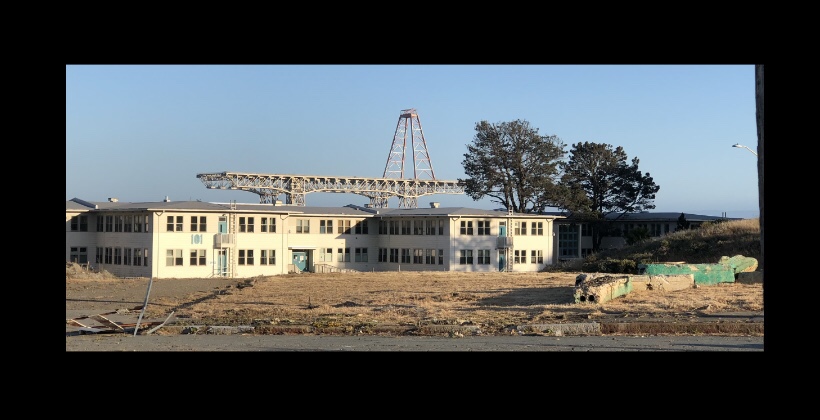
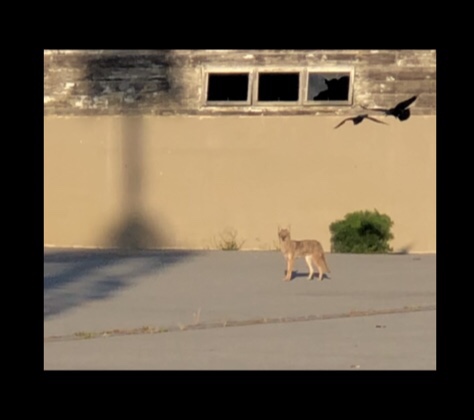
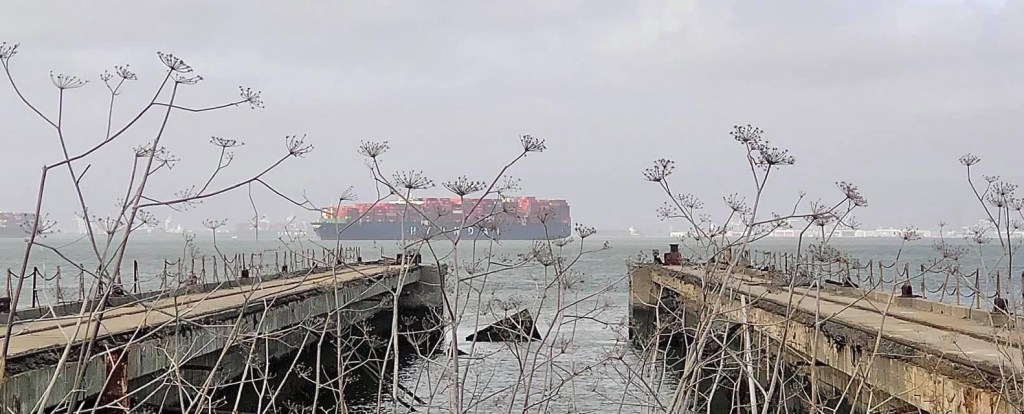
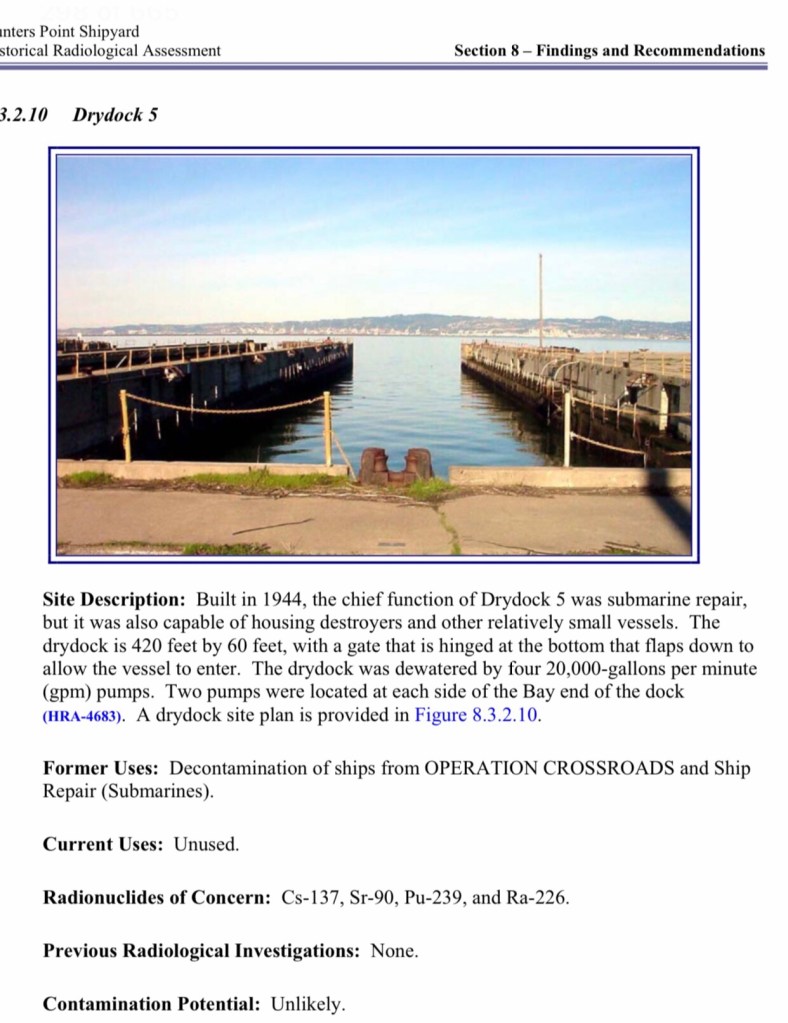
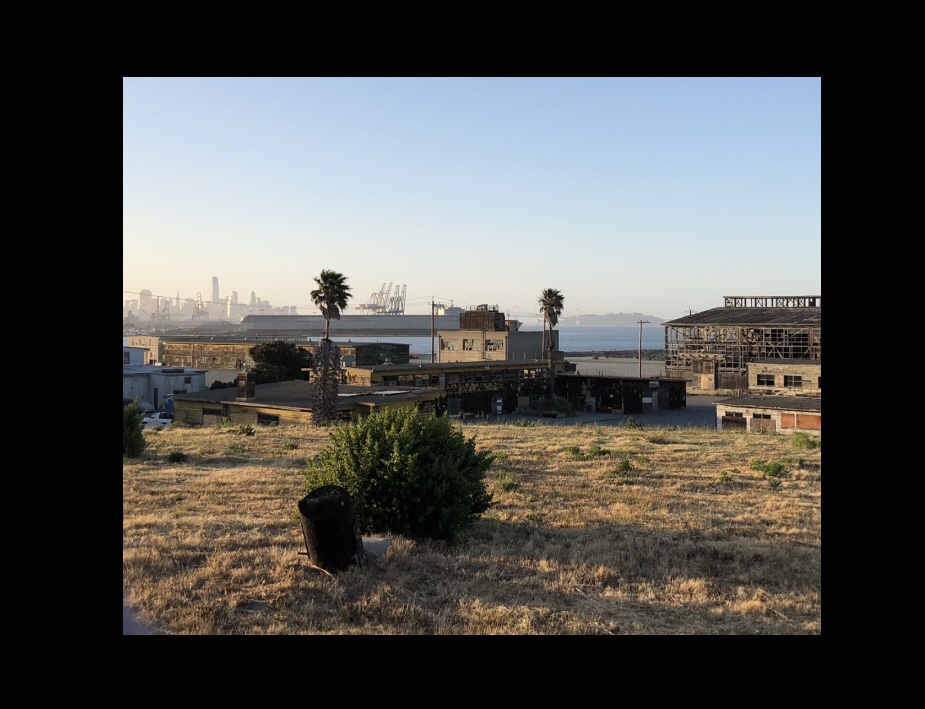
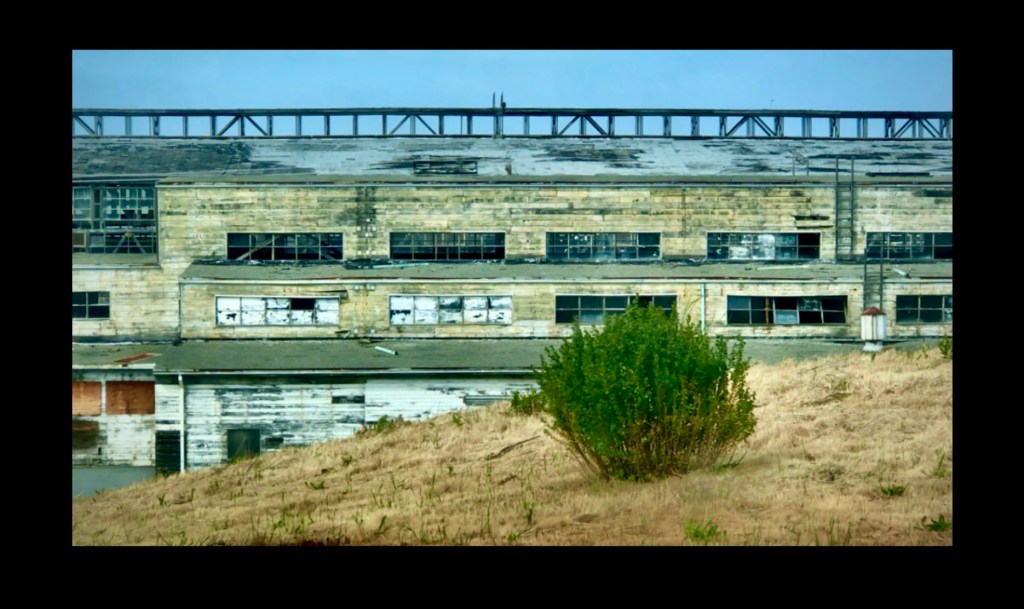
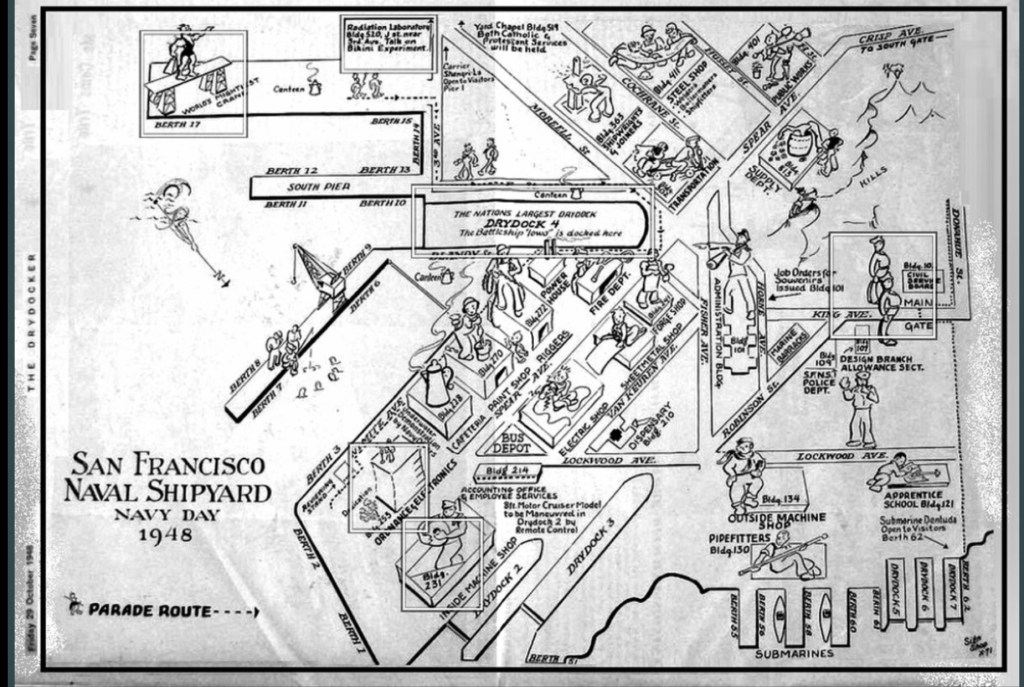
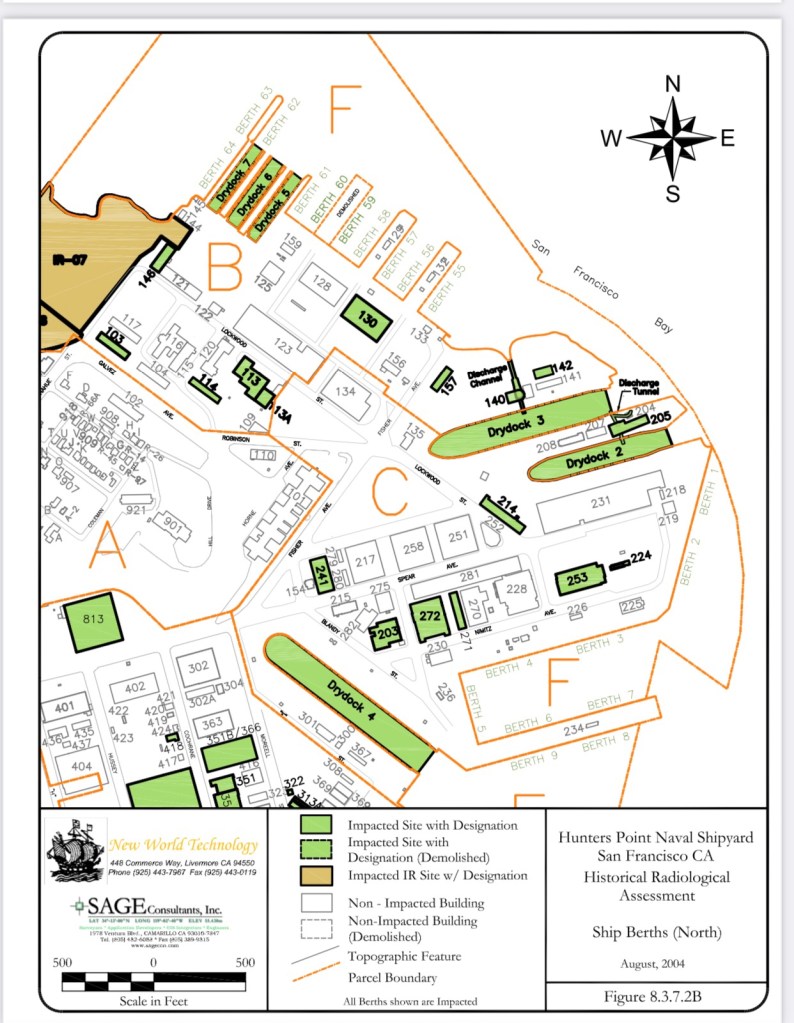
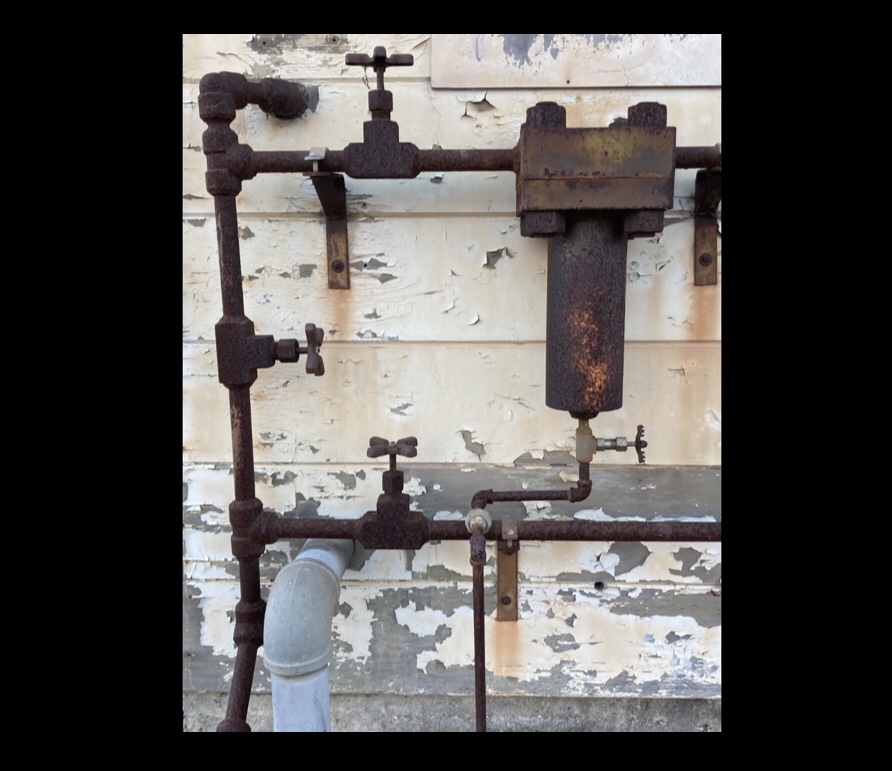
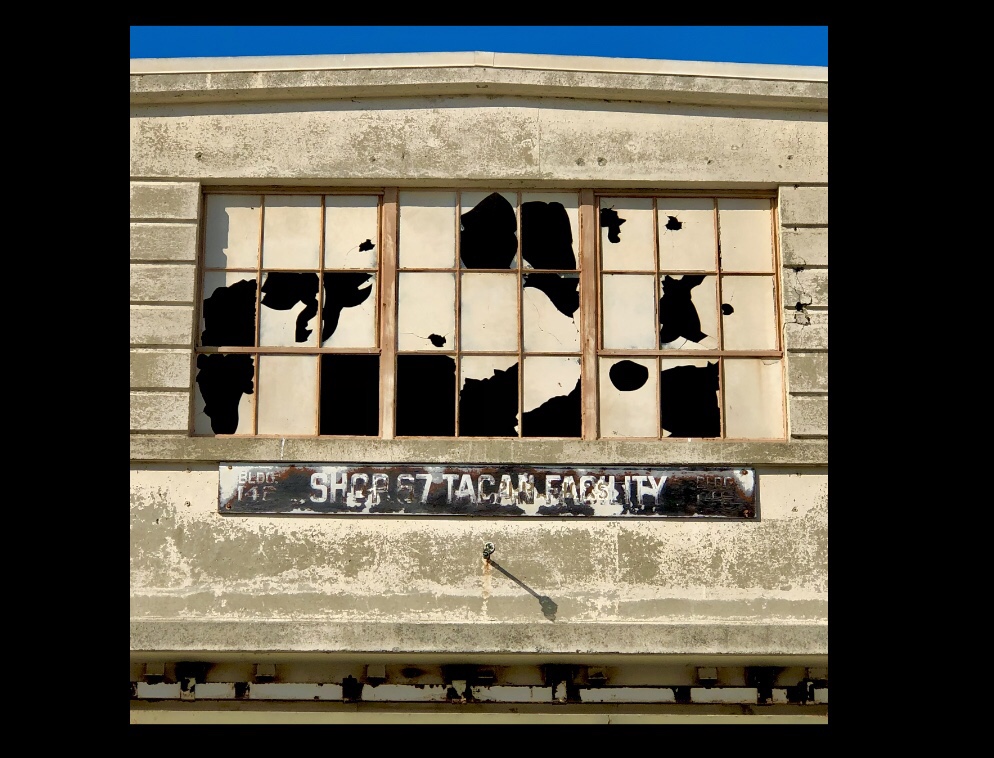
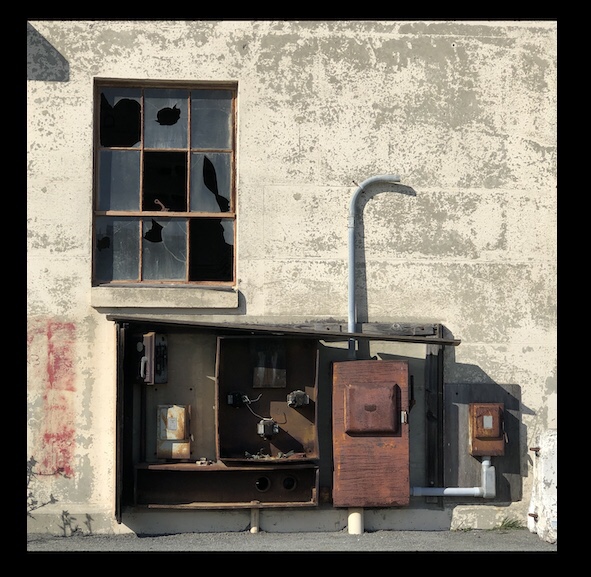
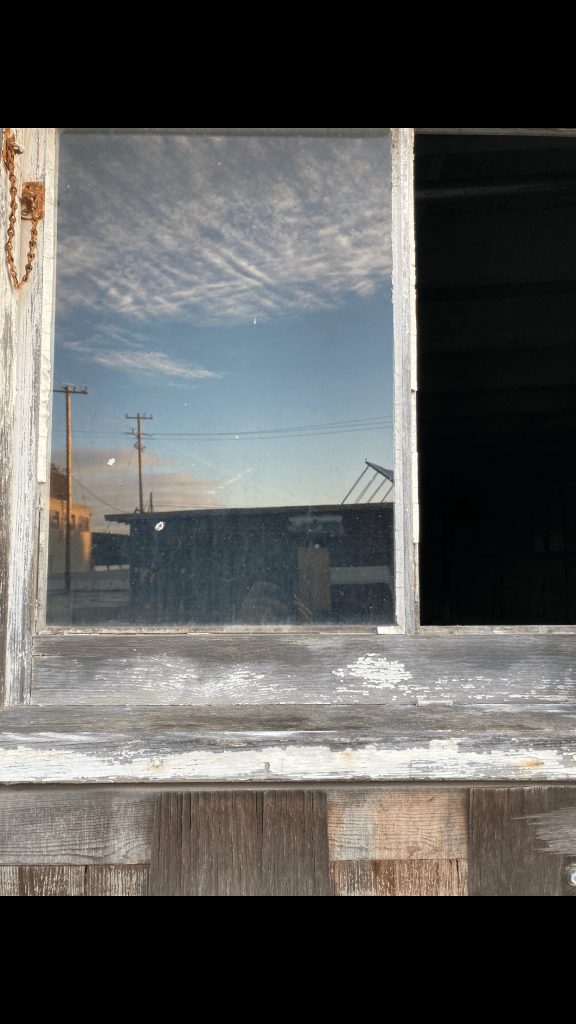
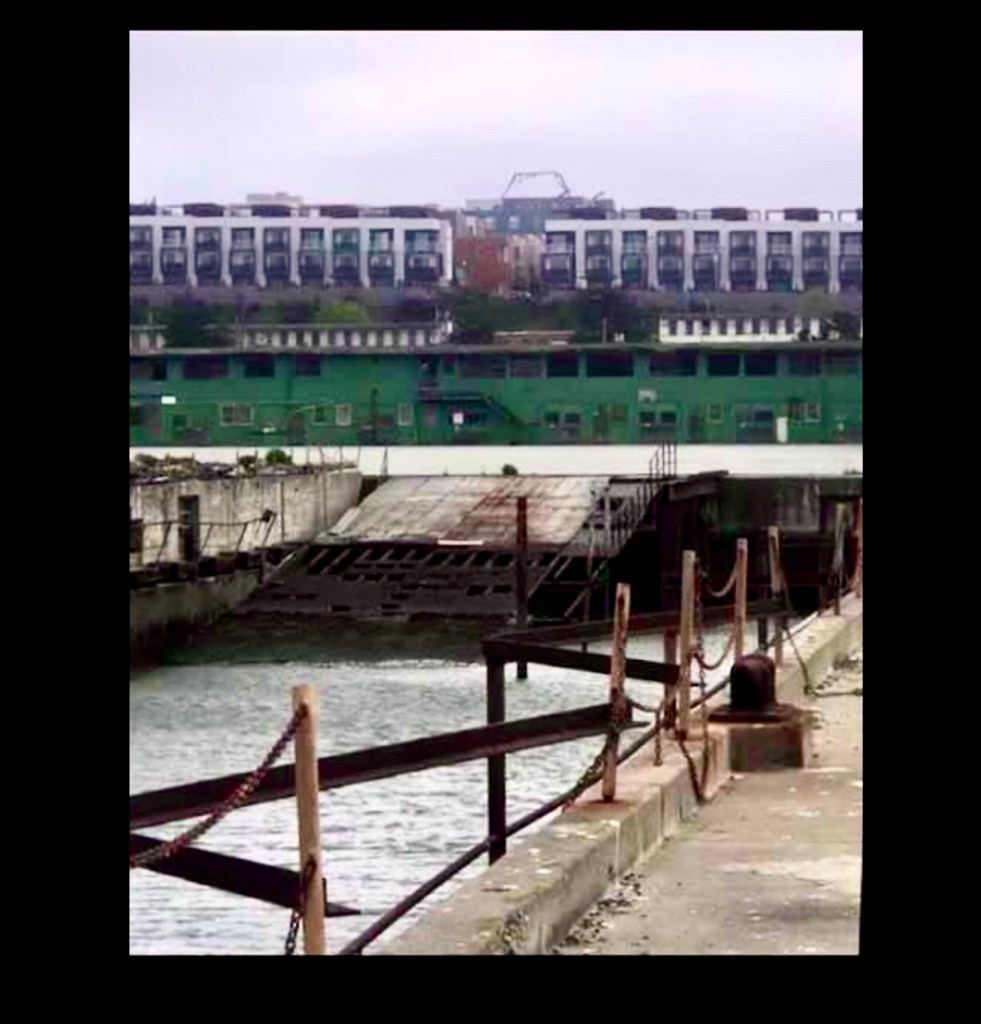
Ok View of old shoreline, India Basin looking SE. Old bay shore near India Basin 1910 view bay shore. Boat-building community there 1870s- 1920. East shoreline looking S. Shipwright’s Cottage: Built circa 1875, the Italianate cottage at 900 Innes Avenue was the centerpiece of union wooden boat building–called shipwrighting–on India Basin. Among the hundreds of boats built here were the scow schooner Alma, now berthed at the Maritime Museum at Fisherman’s Wharf, and Jack London’s adventures boat the Snark. Various WWII-era “Victory” launches were also built here. -foundsf.org c carlsson Shipwright’s Cottage, India BasinView from Shipwright’s Cottage of what was the boat-building community, 1870s-1920San Francisco Bay Previous Shoreline (now bay fill) Near India Basin Figure 24. Boat builders’ community at Hunters Point as it appeared ca. 1900 View toward east Source: Collection of Ruth Siemer; annotated by KVP Consulting https://bvoh.org/wp-content/uploads/2017/07/BVHP_Historical-Context.pdf1868 bird’s eye view from Hays Historical Atlas of California detail 1868 India Basin and Hunters PointThe Bay and Mt Diablo, Hunters Point (NRC Survey) screenshot Hunters Point, San Francisco Bay (Building 146) see Carter, photo tour interior: https://youtu.be/zhjwQN2_bjYShops and shipbuilding Landscape, looking north. Building 253. Adjacent berth along Drydock 4. Decontamination of nuclear test vessels from Bikini Island 1945 (Naval Radiological Defense Laboratory)Building 253 optics periscope sighting radiological research Building 231, machine shop; the first building built by the Navy after takeover, 1942, alongside graving dock and the red brick pump house.1940 Navy begins construction along the old graving docks (Kemble San Francisco Bay: A Pictorial Maritime History)Operation Crossroads target ship. Bikini Atoll nuclear test. 18 target ships-the Independence was one of six ships that sustained the most impact. In the ensuing decade, vessels were brought to HP for “decontamination” modification repair and storage, after nuclear tests. Old Pump House, Building 205 (built 1907). A valve below originally flooded the dock. (see Carter, photo tour interiors: https://youtu.be/zhjwQN2_bjYPump room interior (LOC)Abandoned admin building. (Building 134)Gantry Crane behemoth. Completed 1947. Operation Skycatch, Polaris missile testing. Dry dock #4.Gun Moll Pier, site of nuclear decontamination of ships.Obstructed view eastward, showing relative location of pump houses (completed ca 1907) and the old graving docks, developed in 1860’s. The left is Drydock 3 Pumphouse; (Building 140); to the right is Drydock 2 Pumphouse, (Building 205). (NRC survey)(Photo: Stacey M Carter)(NRC survey screenshot; YAG ships were Liberty Ships used in nuclear tests, and so returned to HP for decontamination. )Environmental tour of remote exclusion area, south: https://youtu.be/6cur413zFFUUSS Iowa in Drydock #4 1945Submarine, USS Diodon in the dock 1955 (see NavSource online, courtesy Santos)View of Dock 4, ubiquitous/ internet: photographer unknown USS Enterprise entering Dock #4 (LOC)3rd St Islais Creek Bridge. Construction 1945.Islais Creek Channel 2021Hunters Point looking east from Drydock 7. From NE area of HP toward Oakland/Alameda. SF Ferry Building viewBay traffic, Ferry Building India Basin- Bay Natives Nursery http://www.baynatives.com/India Basin- City Grazing goats https://www.citygrazing.org/Garden, near India BasinCentral Waterfront/ 23rd. Pier 80Islais Creek Channel as seen from 101Ravens photo-bomb Coyote Farrah at the derelict dance hall
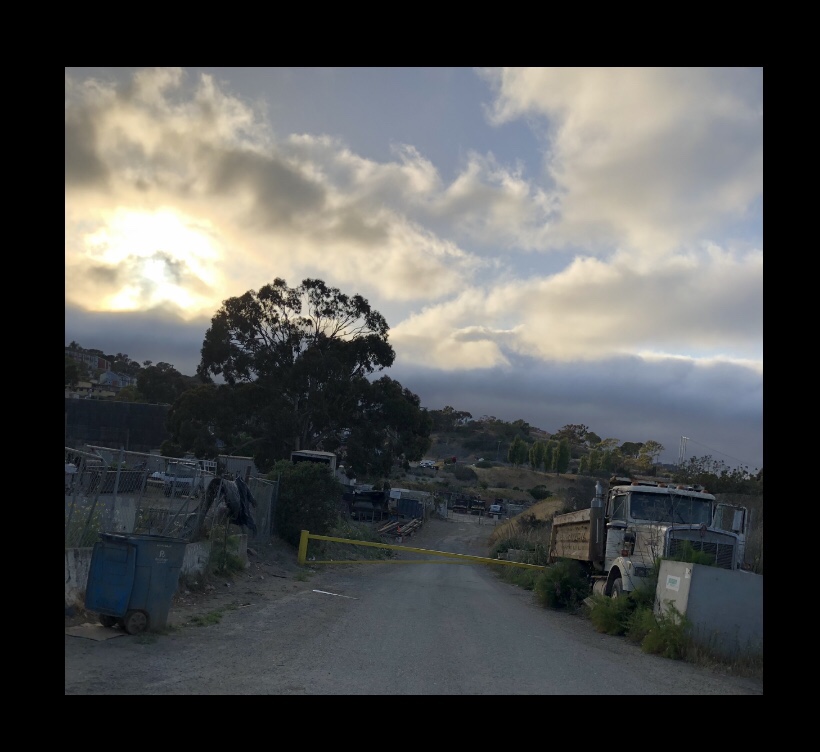
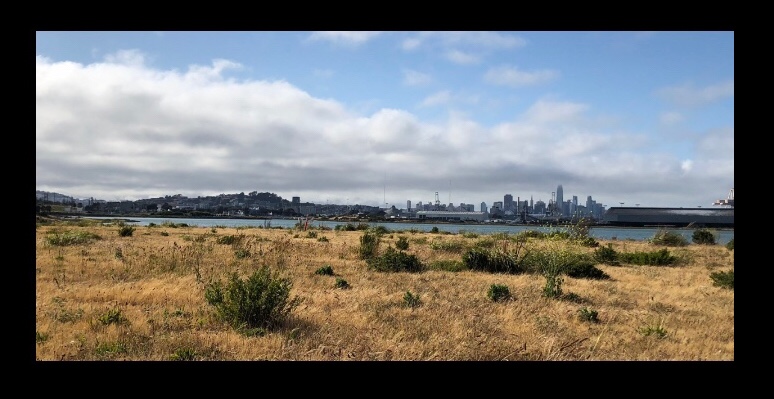
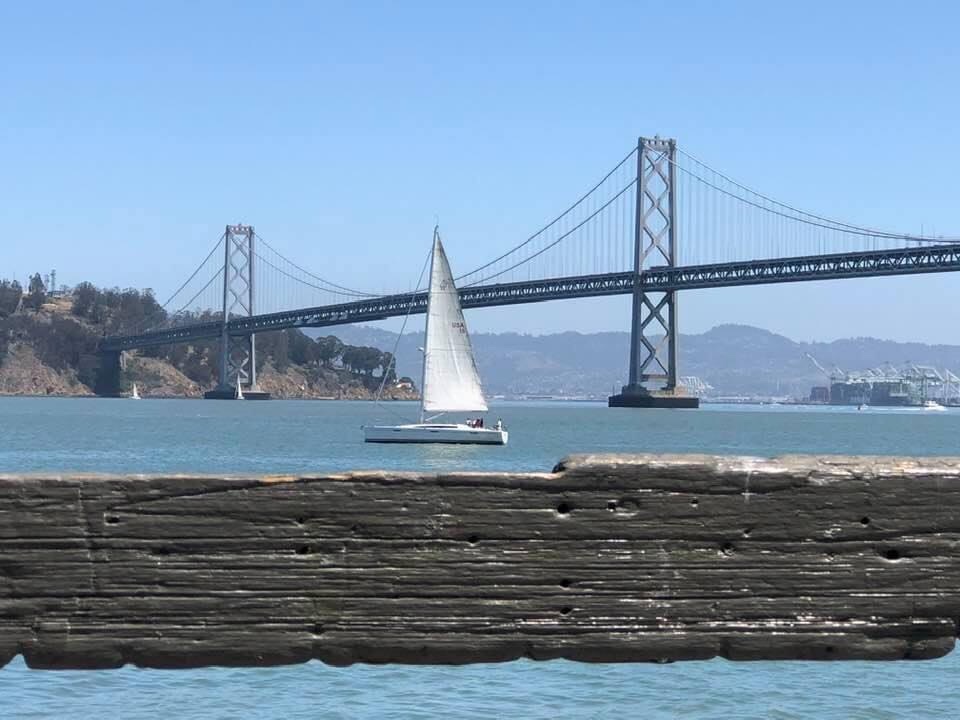
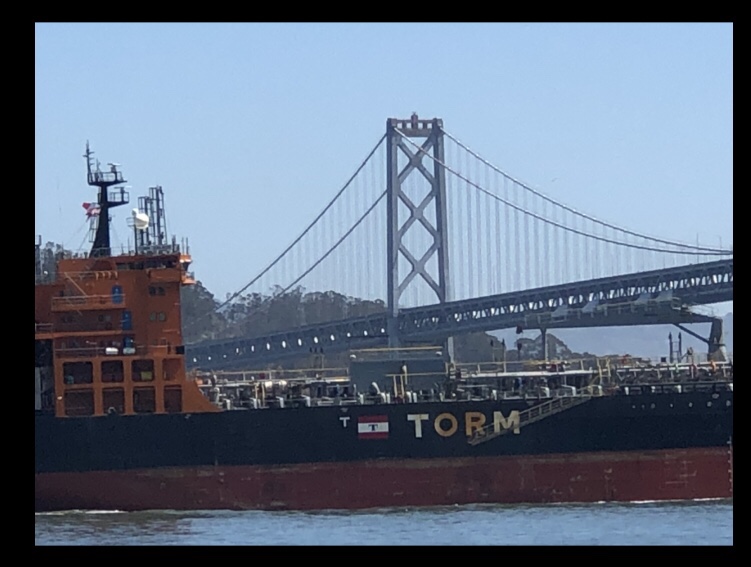
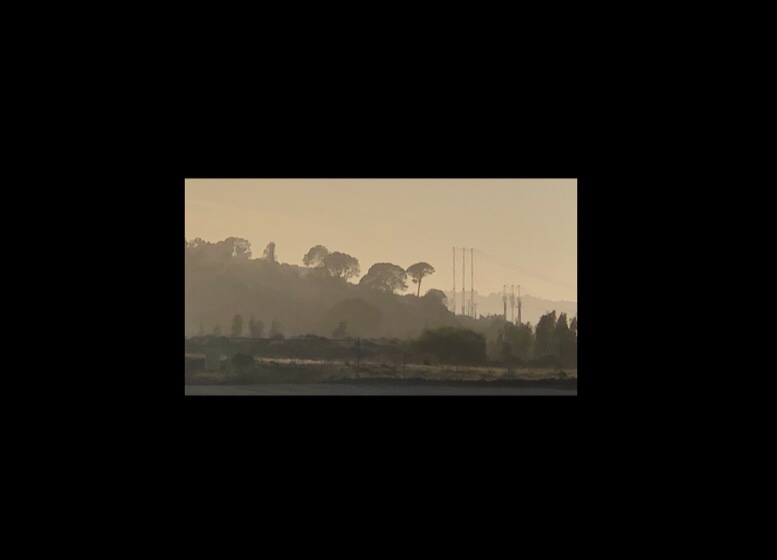
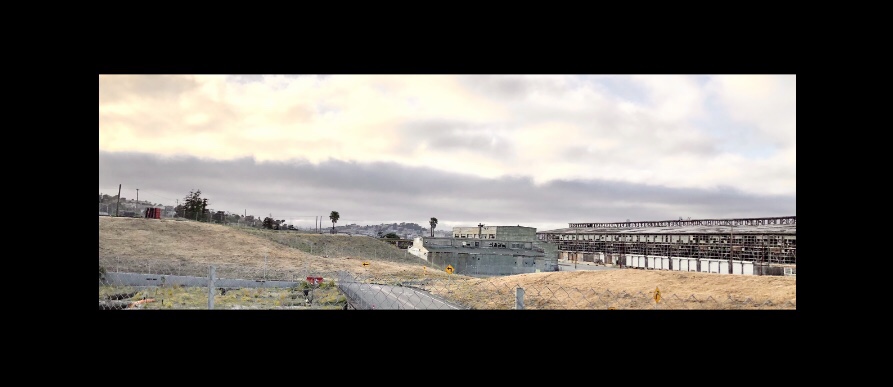
Hunters Point Shipyard approach and San Francisco The Bay Bridge from Hunters Point. The northern point of the shipyard, looking north toward The City. Looking east. berths, near Drydock 7 https://www.nrc.gov/docs/ML0425/ML042580203.pdf
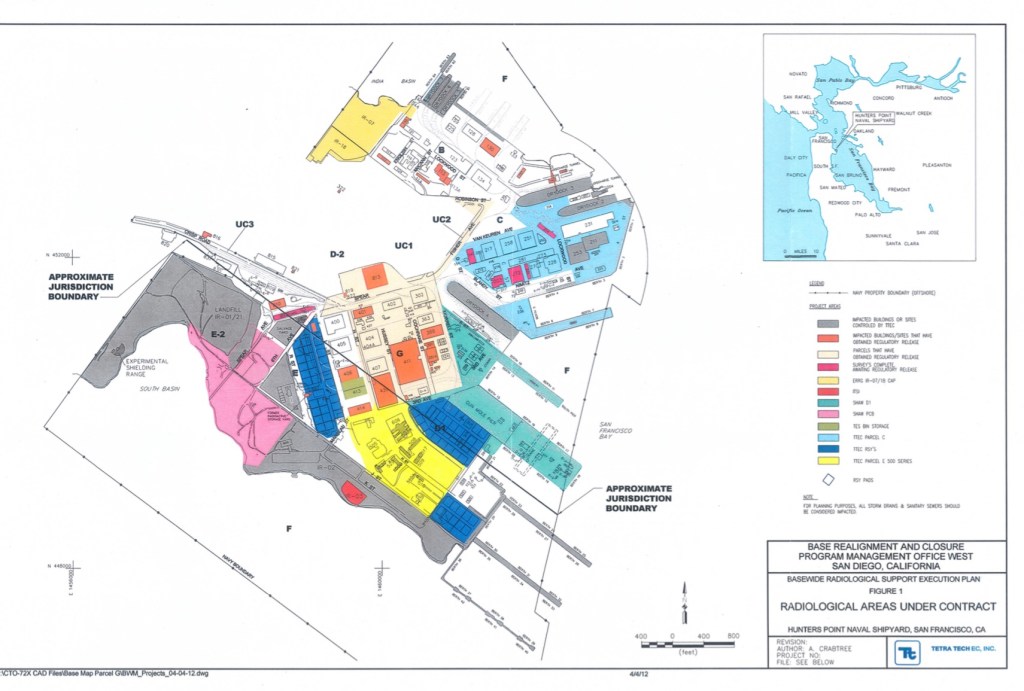
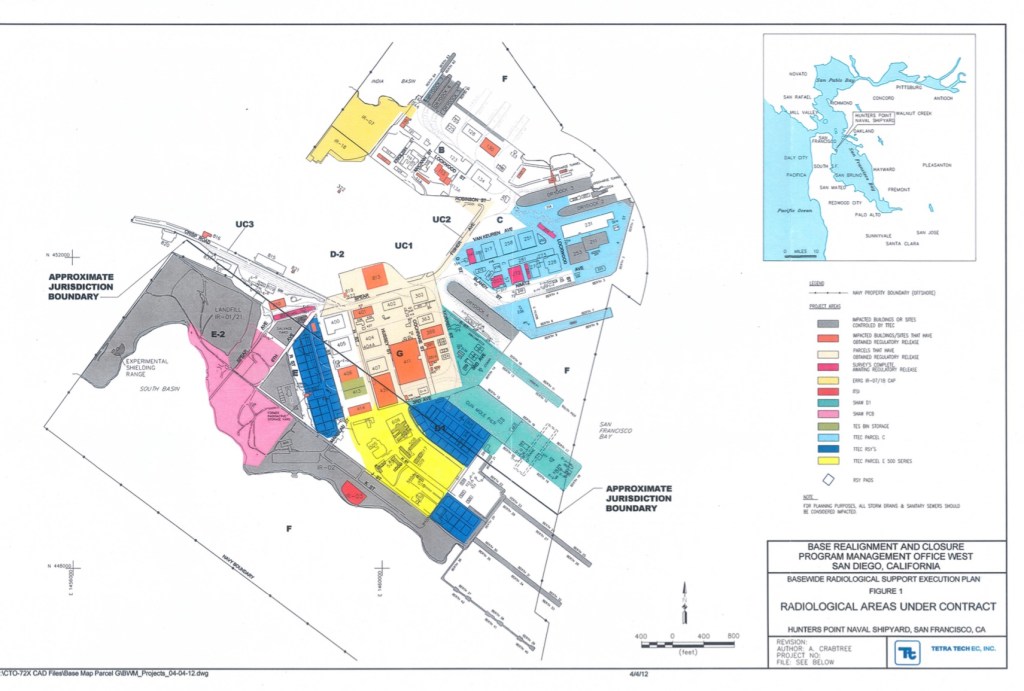
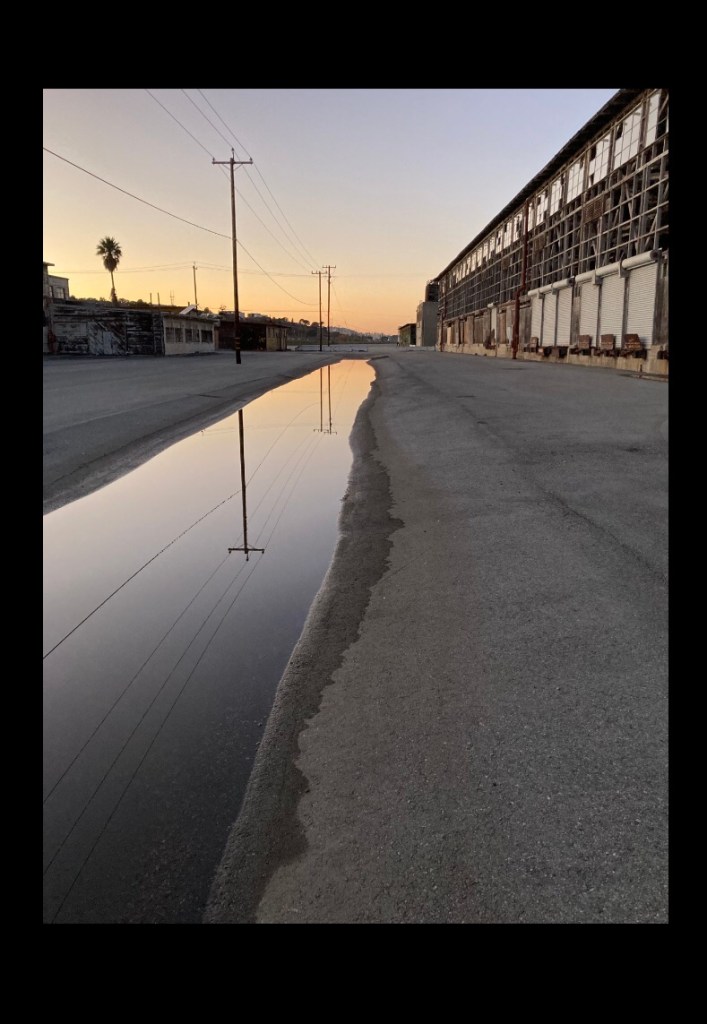
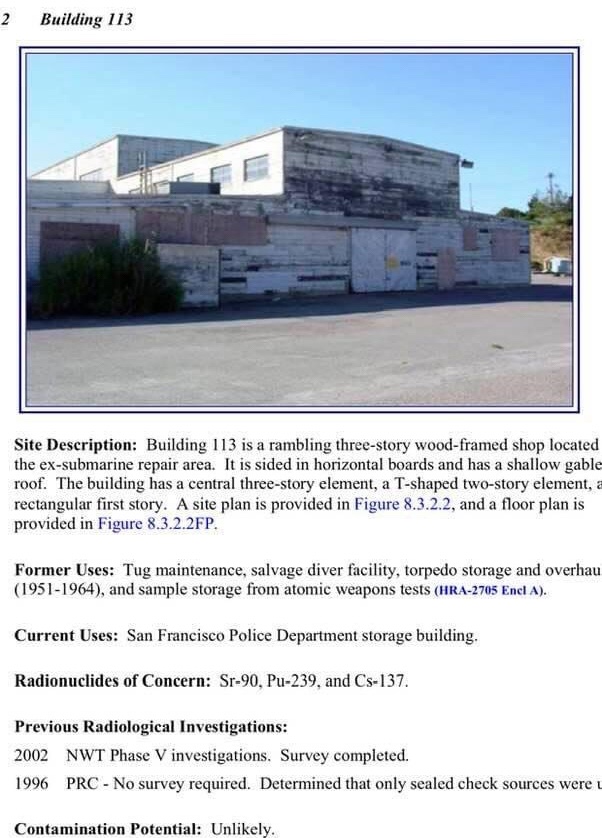
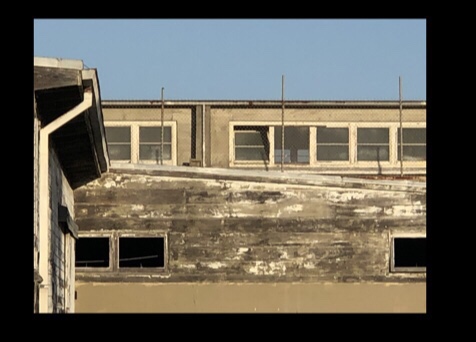
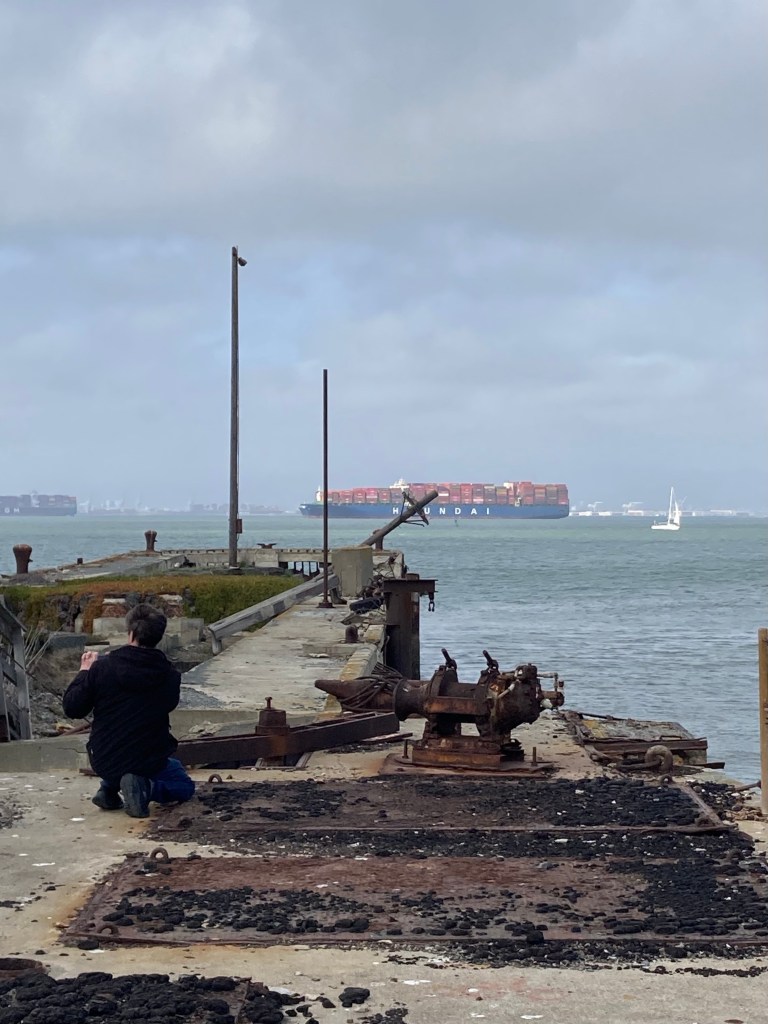
Relatives shipped out in WW2 and KoreaIndia Basin, 1950’s. foundsf.org -Shows working port at Hunters Point in background. Looking south. Hunters Point, northward to the City and Bay Bridge Hunters Point View(Orientation, north at bottom)Map https://www.bracpmo.navy.mil/content/dam/bracpmo/california/former_naval_shipyard_hunters_point/pdfs/all_documents/environmental_documents/radiological/hps_200408_hra.pdfFresh water supports a variety of wildlife. Building 128Mallards and killdeer coexisting in fresh water run-off Building 146 (Industrial and Photo Lab; Radioactive waste storage area; radio luminescent device turn in laboratory)Building 113 (for interior views see also https://youtu.be/zhjwQN2_bjYhttps://www.nrc.gov/docs/ML0425/ML042580203.pdfBus schedule, 1962Shipyard detail, view from northside berths, looking SE toward red brick Pump House, Building 205 in the distance. New condos overlook what remains. View from Dry Dock 5, looking SW from N shoreline End of Empire. Docks, sheds and gantry. View from northside berths, Dry Dock 5, looking south to gantry at Gun Moll Pier. The old-growth redwood beam shed (Building 128) dominates the background.
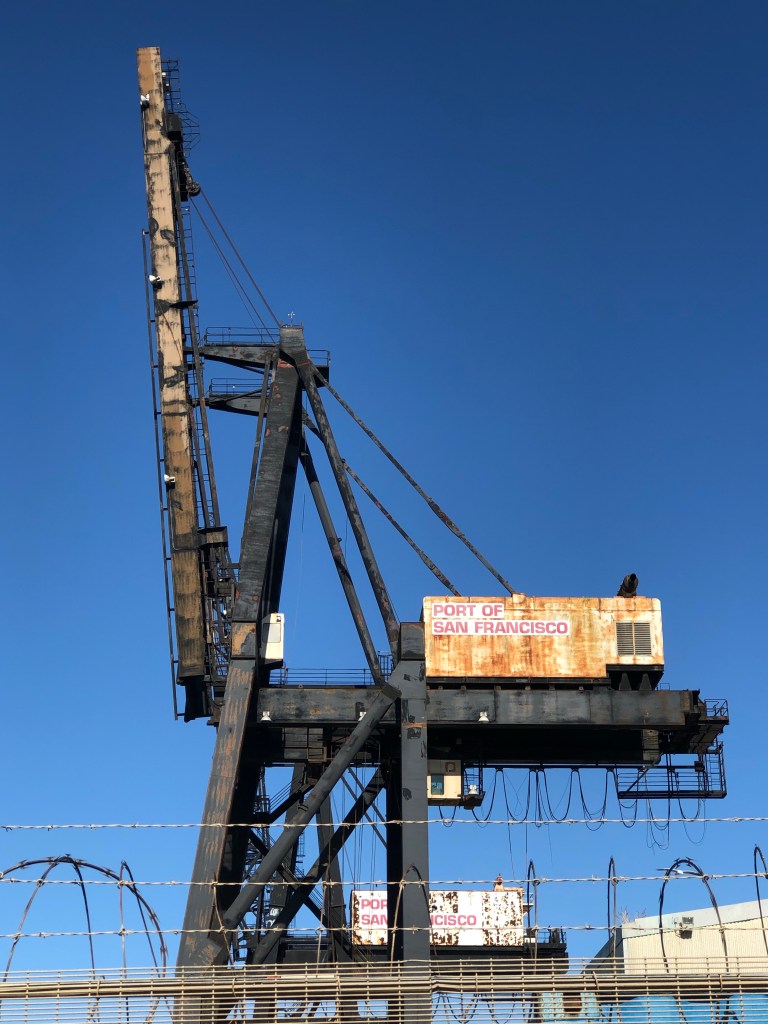
“So that arch of the crane was built to launch dummy polaris missiles into the bay which had an enormous cable attached to them and that tower part so they could be retrieved and launched again as well as to see the effect. Thank goodness they didn’t launch explosives…that we know of.”
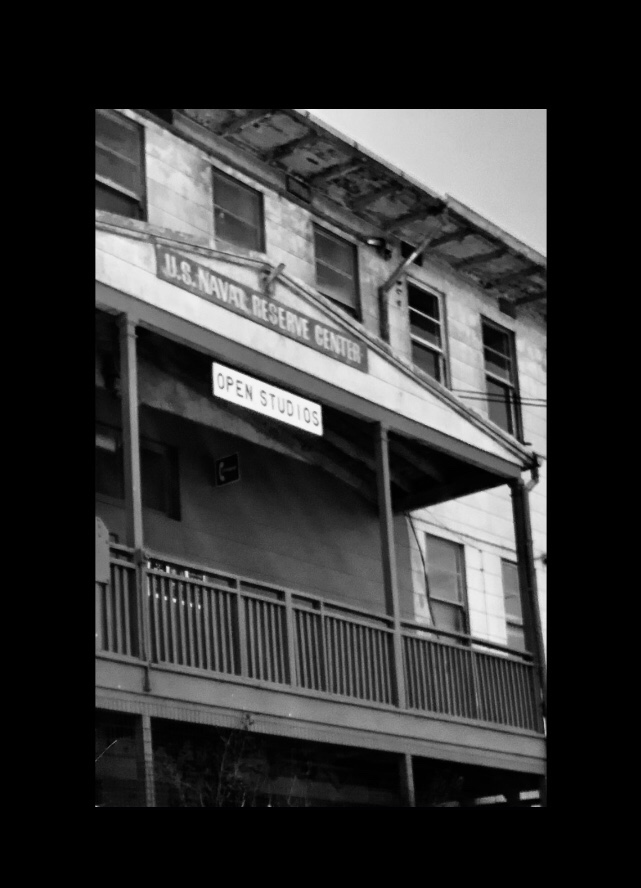
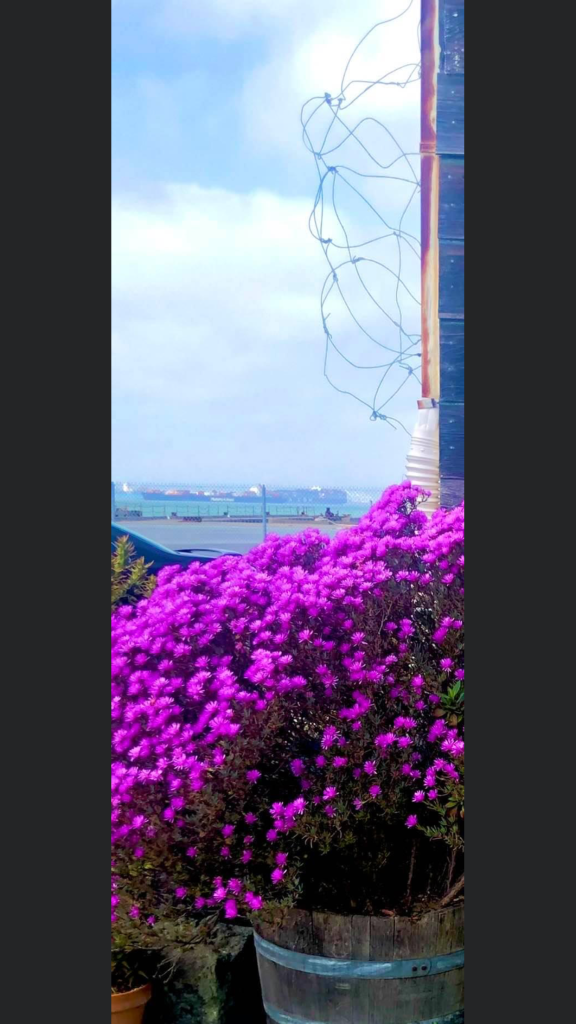
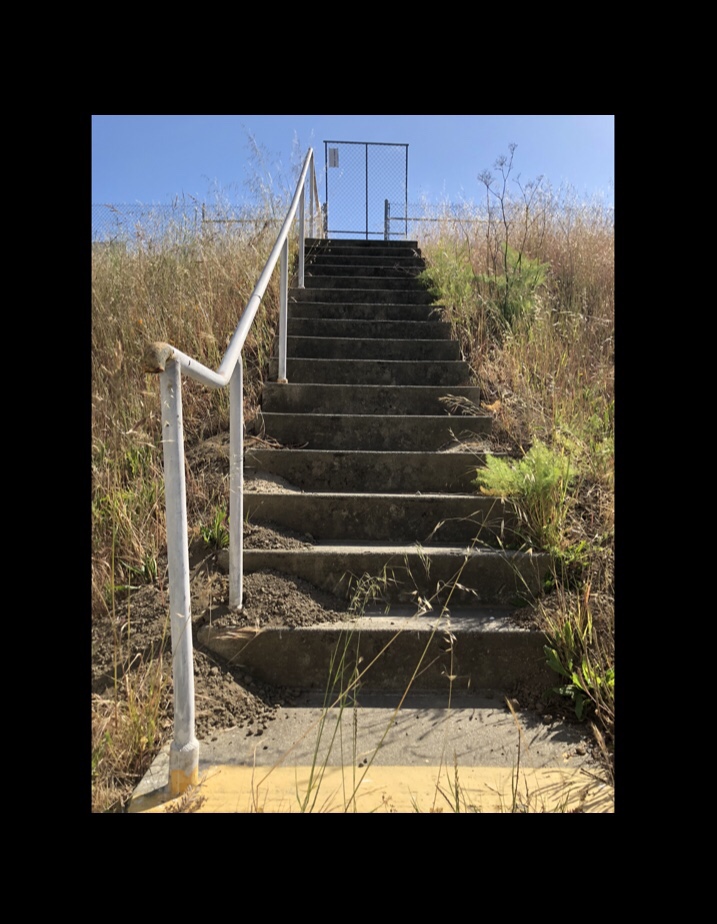
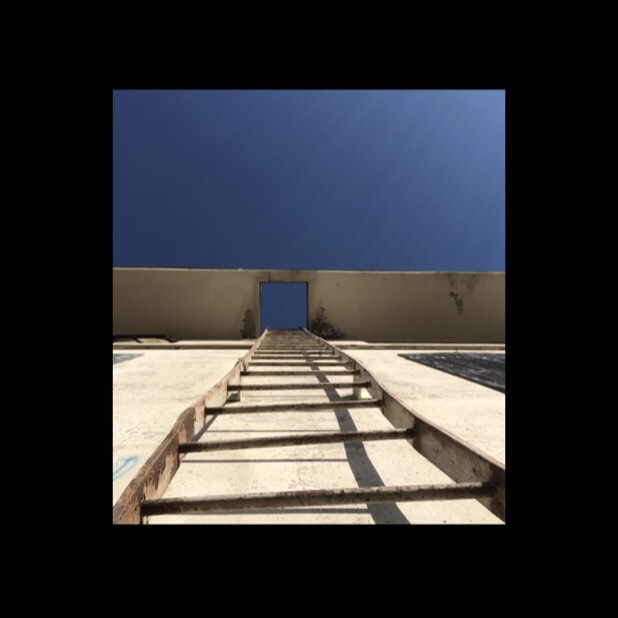
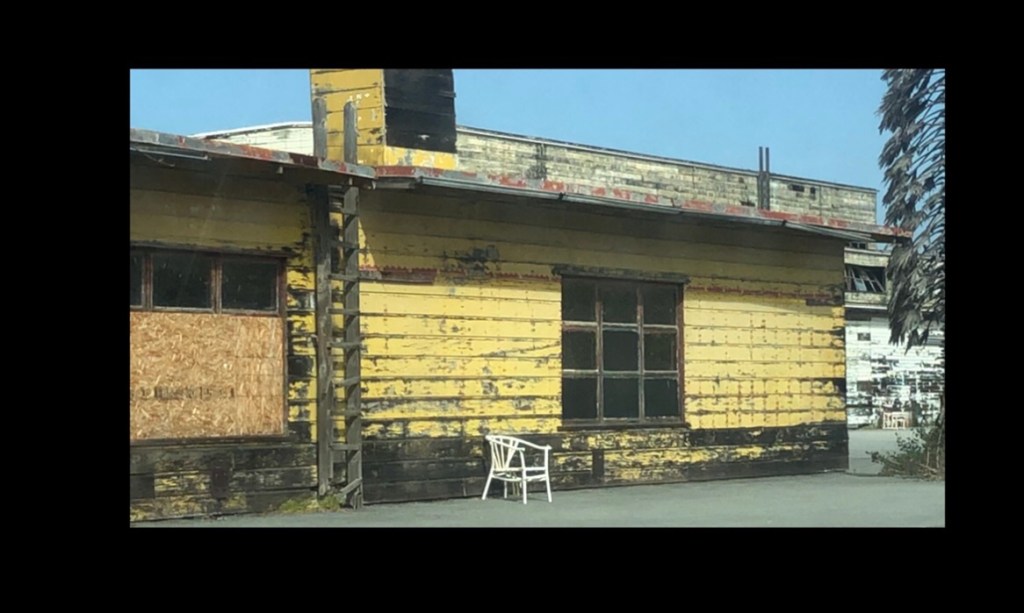
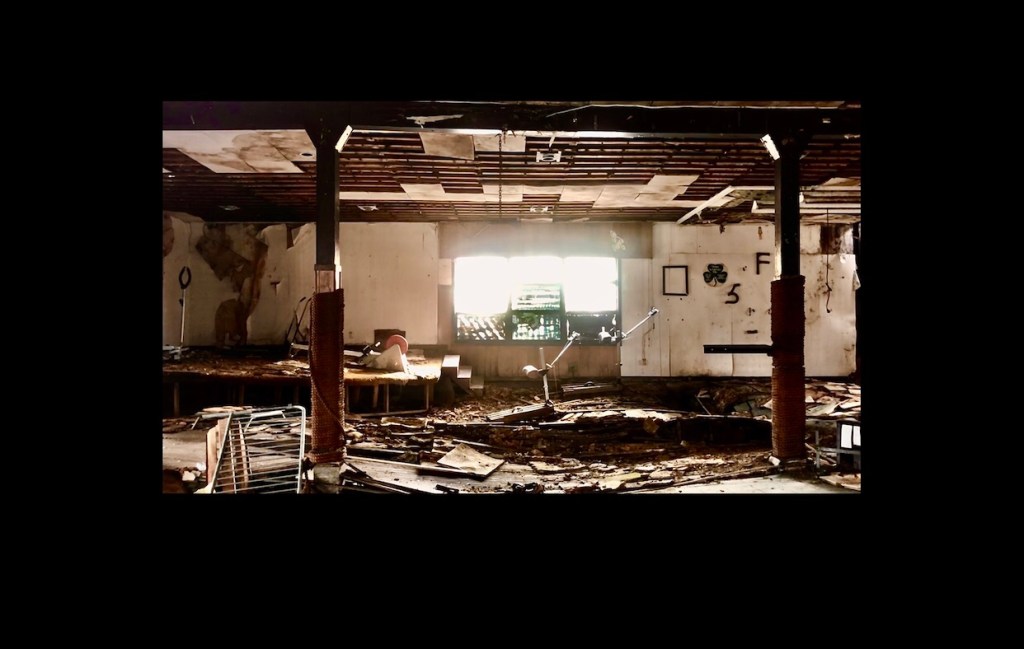
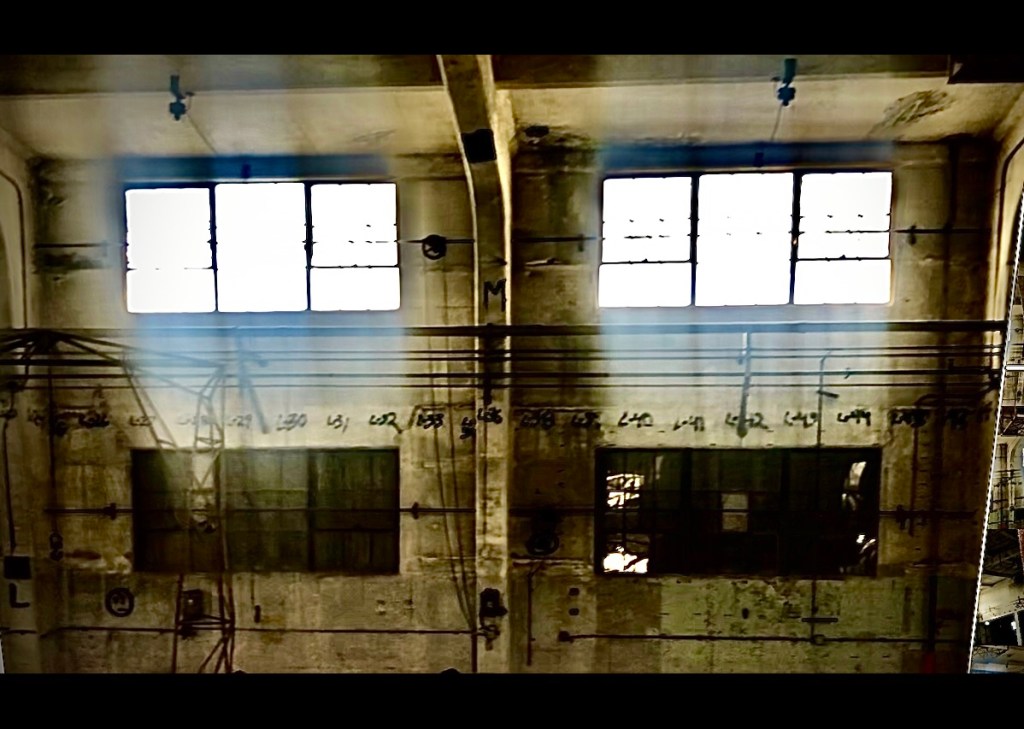
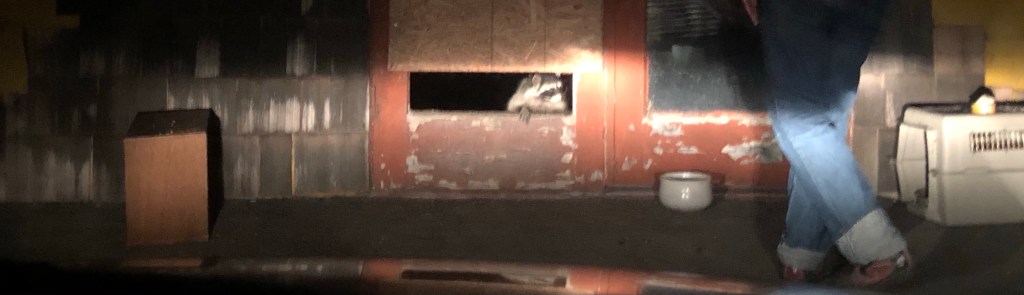
Artist studio view: Keep Out!The old infrastructure: the old Navy steps to barracks Poppies abound at the foot of barracks/ studiosBuilding 125 cafeteria. detailShipyard: Best weather in San Francisco and then not.Shipyard structures in present time (Shed, construction, old-growth redwood)Pigeon in patrol in front of Officer’s Dance HallDance Hall of Raccoons Typical interior viewFamily values at the Shipyard Shipyard expanse: pristine with hazardous zones.View from barracks looking east. Artist’s studio spaces. Inland landscape looking NW from HP Shipyard Artists still working Drydock 7, looking eastward. (photo TH) I think this is Berth 68. First day. (photo TH)) Berth 68. Northeast.
The disappearance of my great-granduncle Ernest H. Koehneke continues to be a family history mystery. If you’d like a recap of part 1, you can find it here.
Here’s a high-level overview of his known timeline so far:
In the year and a half (ish) since Part 1, I’ve added a second wife, two more years, five-ish locations, and seven-ish companies/professions to this timeline… and somehow I’ve managed to create more questions than answers.
The baby Paul (Alvin’s son) was born 1915… so this is maybe 1917-18?
Ernest and baby Paul (Alvin’s son), circa 1917-18 maybe?
Birth Date & Location
Between the 1900 Census1, 1910 Census2, WW1 Draft Card3, and marriage records4, I‘m feeling pretty confident that Ernest was born April 5th 1898 in Chicago, Illinois.
Follow-up: On 20 April 2021, I mailed a request for Ernest’s birth certificate to the Cook County Clerk… just waiting to hear back from them.
Wives
Anna M. Marshall (m. 9 Sep 1919, div. 24 Mar 1920)
We already know about Ernest‘s first wife, Anna M. Marshall. They were married September 9th, 1919 in Detroit, Michigan.4,5,6 Ernest filed for divorce on January 10th, 1920, and the courts granted the absolute divorce on the grounds of extreme cruelty on March 24th, 1920.5,6
Thanks to the fine (and super responsive!) people at Hillsdale County, Michigan, I have a copy of the Bill of Complaint that Ernest filed for divorce, and I have the Transcript of Testimony of the actual court proceedings that took place March 24th, 1920.6
I wanted to get a copy of this to learn a little bit more about Ernest’s life – beyond facts and dates and locations. I didn’t know what “extreme cruelty” meant, and I was curious about the extremely short duration of the marriage.
The short version is that he and Anna should never have gotten married in the first place. Anna “insisted” on working as a waitress (this was 1919, after all), and from the outset she failed to come home until a “very, very late hour.” when confronted about this, Anna told Ernest that it was none of his business, that she “had several other men and especially one with whom she was passionately in love.” She went on to say that she would be a terrible wife, that she was sorry she ever married him, and that she’d kill herself rather than have children with Ernest. It seems she hadn’t even told anyone at the restaurant that she had gotten married…….. though to be fair, given the time, this could have been a strategy to try and keep her job despite being a wife.
Anna ended up leaving Detroit on October 12th (33 days after getting married!) to attend to her ill mother in Quincy, just over 100 miles west of Detroit. She never returned home to Ernest. After a few days, he went to Quincy and was met by Anna’s brother who told him if he wanted to “save his life” he would just keep away from Anna and that she didn’t want to see him or have anything to do with him. The only interaction Ernest had with Anna after she left was a letter she wrote him, included in the testimony as Exhibit A:
Two others testified as witnesses: George Marshall, Anna’s brother, and John Gerling, Ernest’s uncle (his mom’s brother). Interestingly, Anna didn’t seem to be present or at least didn’t participate in the proceedings on that day.
Anna went on to marry a second time in 1932 to a man named Carl W. Kochendorfer, together they had at least one child, Howard Ross (born 1939). Anna passed away in 1981, and her obituary indicated that she had three grandchildren.
Nettie K. (or C.) Bromberg (or Brunberg) (m. 7 Jun 1924, then…?)
Despite a heartbreaking first attempt with Anna, Ernest decided to marry a second time. My first hints at these nuptials were a handful of newspaper articles and a transcribed index of Winnebago County marriages by groom’s name.7 I reached out to the Winnebago & Boone Counties Genealogical Society for some help… and their amazing team came through with a copy of the marriage license and application for license!66 The license itself said that a county judge in Winnebago County married Ernest and Nettie in the city of Rockford, Illinois, on June 7th 1924. The couple must have made it official there, and then had a separate celebration with friends in Wisconsin.
The first of many strange elements to this marriage… according to newspaper articles, the wedding is said to have taken place at De Forest, Wisconsin… but all of the paperwork (and the official ceremony) were in Winnebago County, Illinois (82 miles south of De Forest). From what I’ve found, neither Ernest nor his new bride lived in Winnebago County… or had any association with that area. So why did they choose that county??
Newspaper articles were published in The Capital Times40 of Madison Wisconsin, the Steven’s Point Journal41 of Stevens Point Wisconsin, and the Wisconsin State Journal42 of Madison, announcing the marriage of Nettie C. Bromberg to Ernest H. Koehneke.
Nettie was originally from Deerfield, and had been a the primary teacher in the school at De Forest Wisconsin for several years.45
According to the articles, this wedding came as a surprise. People had gathered for an announcement party in honor of the couple, and were instead witness to their wedding. Strangely, looking through the list of guests, not a single Koehneke (or Gerling) relative was present. Nettie’s foster parents weren’t listed as attending either, even though they were living just 25 miles southeast in Deerfield.
Adding to the strangeness… Ernest’s mother, Mary Koehneke (neé Gerling) had JUST moved to Edgerton Wisconsin to live with Ernest in October 1922. Ernest was still living in Edgerton when a family reunion took place in honor of Mary’s birthday in June 1923… Mary didn’t pass away until 1940. De Forest, where the wedding was said to have taken place, is roughly 36 miles north of Edgerton. Why were there NO relatives present?
An Extra Bit of Drama
It turns out that Ernest was arrested for speeding the night before his wedding.48 He was to appear in court June 7th, but was absent because of the wedding, and the judge continued his case to the following Tuesday.39 Ernest and Nettie traveled from De Forest to Deerfield to visit with Nettie’s foster parents.43 Tuesday came and went, and Ernest was a no-show again, this time due to being away on honeymoon. The case was again continued to the following Saturday.44 Finally Ernest’s day in court came — and he showed up. Ernest pled his case to Judge August C. Hoppmann, explaining his failure to appear because of his wedding and honeymoon, and the judge “decided that the ‘life sentence’ imposed in that case should lessen the punishment, and fined Koehneke $10 and costs.”48 Ernest agreed and paid his fines as ordered.47,48
Companies/Professions
1914-1917
Ernest appears in the 1914, 1915, and 1917 Chicago City Directories. In 1914 he was a “selector” at 7 N. Wabash Av.67 In 1915 and 1917, he was a clerk, but no business name or address are included.62,63
1918
On his WW1 Draft Card in September, 1918, Ernest listed his profession as “Machinist” working for the Michigan Stove Company in Detroit.3
1919
In January of 1919, a semi-monthly insurance publication titled “The Indicator” mentioned Ernest as being associated with a Co-Operative called “Central Business Men’s” and that he was in Detroit.8
1920
In the weeks leading up to the finalization of his divorce, Ernest was mentioned in another industry publication. This time it was the “Michigan Manufacturer and Financial Record” stating that there was a new Michigan corporation: Industrial Chemical Co., The company would manufacture and sell chemicals and machinery for their manufacture. Ernest was mentioned, with an address of 842 Lake Shore Road in Grosse Pointe Shores (a suburb 15 miles northeast of Detroit), along W.H Jones and Alfred Jensen of Detroit.9
1921
There are two news clippings from Wisconsin that mentioned Ernest (or E.H.) Koehneke. In November, The Manitowoc Pilot reported that he decided to move a chemical manufacturing plant from Detroit to Manitowoc.10 The company was called the Republic Chemical and Manufacturing Companyand it manufactured soldering fluxes among other things. This article also said Ernest was “of Chicago.” It’s not clear if this means Ernest was living in Chicago (meaning he had moved back home from Detroit sometime after the divorce) or if it’s simply a mention of Ernest’s hometown.
The annual convention of the Wisconsin Cheesemakers, Buttermakers and Dairymen’s Advancement association took place at the Eagles hall in Wausau, and the Wausau Daily Heraldpublished a round-up of activities that took place. In a segment titled “Cheese Chemistry,” they reported that an E.H. Koehnor of the Republic Chemical and Manufacturing Company spoke about the “intimate relation of chemistry to the making of cheese, and of the value of appliances which have been perfected for use in cheese factories…”11 I’ve seen several spelling variations of “Koehneke” — and admittedly this one is a stretch… but we already know that Ernest was involved with the Republic Chemical and Manufacturing Company. There’s a second man mentioned, also of the same company, named Otto Kielsmeier. His name comes up again in 1922 in connection with Ernest. I think it’s fair to assume that the “E.H. Koehnor” in this article is our Ernest.
1922
A number of industry publications came out in the first half of 1922. American Dyestuff Reporterannounced that the Republic Chemical Company “is planning for the installation of machinery in a new local plant. E.H. Koehneke is president.”12Manufactured Milk Products Journal is our next instance of Ernest and O.A. Kielsmeier together. Ernest was acknowledged as the president of Republic Chemical Co., and was “highly enthusiastic regarding the prospects for business during 1922. Mr. Kielsmeier is also interested in the business.”13
The Republic Chemical Company, including Ernest as president, D. H. Grady as vice president, and O.A. Kielsmeier as treasurer, exhibited at the thirtieth annual convention of the Wisconsin Cheesemakers’ Association. Their booth featured “Re-hoop, their cleaner for press cloths and cheese hoops.”14
Ernest and Otto, plus Clara Kielsmeier, started the Mammoth Cold Spring Dairy Company in Manitowoc in 1922 — at $25,000 (250 shares par $100).15 It looks like Republic Chemical Company may have gone public around this time, too, with the same trio at the helm. Republic Chemical was at $75,000 (750 shares par $100).16The Manitowoc Pilot announced the incorporation of the “Public Chemical company” — though I believe this was just a typo and they intended to say “Republic.” They also announced the “Cold Springs Dairy Company” which would operate at Spring Valley — and I believe they meant the “Mammoth” Cold Spring Dairy Company.17
The same (or similar) announcements were made in the Manufactured Milk Products Journal18/19, Textile World20, Chemical, Color, & Oil Record21, North Western Druggist22, Refrigerating World23, and The American Produce Review.24
1922 – Edgerton
In July, The Wisconsin Tobacco Reporter announced that Mr. E. Koehneke had been in Edgerton on behalf of the Republic Chemical Company. He was looking for a new home for his factory and was meeting with the local Kiwanis to try to pin down possible locations.27 On August 4th, it was announced that E. H. Koehneke had officially arrived in Edgerton from Manitowoc. It said he was formerly the president of Republic Chemical Co., but that he had resigned so that he could move to Edgerton. He would instead head the India Laboratory, specializing in chemicals for industrial research and for the automotive industry.28
What happened with Republic Chemical? The initial clippings sounded like Ernest was looking for a new location for Republic Chemical… but he ended up resigning instead. One theory (and this is total speculation) is that he wanted to distance himself from the Kielsmeier name. Otto’s brother Rudolph, having previously been removed from the Kielsmeier Company, had to file for bankruptcy as he owed more than $100,000 to various entities.58/60 The Kielsmeier Company came forward to clarify that Rudolph was removed from the company one year prior, and that the company was in no way connected to Rudolph’s financial woes.59 Otto Kielsmeier ended up filing voluntary bankruptcy proceedings in April 1922.61 It’s not clear why Otto filed… did he have issues of his own? Was it a result of his brother’s very public financial problems? Since this all happened around the same time that Otto, Clara, and Ernest incorporated Republic Chemical and Mammoth Cold Springs, did Ernest see the writing on the wall and run?
In any case, Ernest ended up in Edgerton, and in September 1922, it was announced that his mother, Mary (Gerling) Koehneke would be moving to Edgerton, as well. She would live with Ernest, who was working to build a household and factory chemicals business.29
1923
Nothing was found regarding Ernest’s occupation or company affiliations in 1923.
1924
The marriage license paperwork from Winnebago County listed Ernest’s occupation as “Chemist.”66Ernest and Nettie, the newlyweds, traveled to Deerfield to visit with Nettie’s foster parents. In the society clippings, it noted that Nettie had been the primary teacher in Deerfield, and that Ernest was engaged in the insurance business in Madison.45
In December, they traveled to De Forest to spend time at the home of Reverend and Mrs. O.J.H. Preus. This clipping mentions that Ernest and Nettie were from Eau Claire (when did they move there?), and that Ernest planned to enter the insurance business in La Crosse after the first of the year.50
Places
Chicago, Illinois
Ernest was born in Chicago and lived there during the 1900 and 1910 Censuses.1,2 The 1914, 1915 and 1917 Chicago City Directories67,62,63 list Ernest living at 1709 Sedgwick with his mother and his brother William.
Detroit, Michigan
By September 1918, Ernest had moved from Chicago to Detroit. He listed his address as 19 1/2 Hosmer, Detroit, Wayne County, Michigan on his World War 1 Draft Card.3 I couldn’t find a corresponding entry in the 1918 Detroit City Directory. To be fair… you can’t easily search the directories by address. You either have to look up by name, or flip page-by-page hunting for the address you’re looking for. The Detroit directories are easily close to 1,000 pages, so I haven’t done the page-by-page hunt yet. There’s no entry for Koehneke, Ernest (or spelling variations).
I found the Enumeration District for that Hosmer address in the 1920 census, and found a matching entry. John F. Gerling was living at 19 1/2 Hosmer with his wife Verda, and his nephew Charles F. Christ. John is Ernest’s uncle (Mary’s brother). Charles Christ is Ernest’s first cousin (Mary’s sister Catherine’s son). Charles is listed as working as a Machinist in a factory. Ernest, on that draft card, was working as a Machinist at the Michigan Stove Company. I wonder if Charles and Ernest worked together. With this new household info, I looked up John Gerling in the 1918 Detroit City Directory, and he lived at 422 Hurlbut Ave, not 19 1/2 Hosmer. It’s a curious discrepancy. Another fun fact: this is the same John Gerling that testified as a witness in Ernest’s 1920 divorce proceedings.
The 1919 publication of The Indicator8 mentioned Ernest as being in Detroit.
When Ernest married Anna Marshall in September 1919 in Detroit, the record stated that he was living in Detroit, as well.4 Their divorce was filed
[artificial break cut and paste from Molly’s blog]
The 1919 publication of The Indicator8 mentioned Ernest as being in Detroit.
When Ernest married Anna Marshall in September 1919 in Detroit, the record stated that he was living in Detroit, as well.4 Their divorce was filed and finalized in Hillsdale County, Michigan, which is roughly 110 miles west of Detroit.5 During the divorce proceedings in 1920, he stated he had been living in Michigan for over 2 years before filing for divorce (so… at least 1918), and that he still lived in Michigan. It also stated that Anna was from Quincy.6
Also in 1920, the Michigan Manufacturer and Financial Record,9 announcing the incorporation of the Industrial Chemical Company, gave Ernest’s address as 842 Lake Shore Road, Grosse Point Shores. This is a suburb 15-ish miles north east of Detroit. I flipped through the Grosse Point Shores 1920 Census, and didn’t find any mention of Ernest.
Manitowoc, Wisconsin
Ernest moved Republic Chemical and Manufacturing Company from Detroit to Manitowoc in 1921.10 Several other clippings and industry publications — all relating to the Republic Chemical Company or Mammoth Cold Spring Dairy Company — mention his location as Manitowoc.11,12,13,14,15,16,17,20,21,22 Some said that Mammoth Cold Springs Dairy Company would be located at Spring Valley or Eden, Wisconsin, but that the company’s main offices were in Manitowoc.17,18,23,24 One said the Republic Chemical Company, in Manitowoc, would have offices at Milwaukee, Pittsburgh, and Chicago, with a representative in Detroit.19
Edgerton, Wisconsin
Ernest visited Revered and Mrs. E.A. Boyd at their home in Edgerton in July 1922.25,26 He was still living in Manitowoc at this time. He also began scouting factory locations in the area.27
By August 1922, Ernest relocated to Edgerton.28 The following month it was announced that his mother, Mary Koehneke, would be moving from Chicago to Edgerton, and that she’d live with her son.29 In October, Ernest and Mary were moving in to a home previously owned by the Biessman family.30 After a business trip to Chicago in November, it was announced that Ernest and Mary were settled in their new home at 12 Mechanic Street.31
My great grandfather (Ernest’s oldest brother), Otto Koehneke visited Ernest and Mary for Thanksgiving that year. He brought his family: wife Melitta, and children Vera and Ken.32,34
Ernest was involved in his community while living in Edgerton. He was part of the choir at Norwegian Lutheran Church, and performed during a Christmas celebration (he was a tenor).33 In the article about this celebration, others involved included Rev. E.A. Boyd, who was the pastor of the local church, and Rev. Ove J. Preus, of De Forest. Ernest had visited with Rev. E.A. Boyd previously when planning his move to Edgerton. If you jump back to the “Wives” sectionabove, you’ll also note that Rev. Ove J. Preus was the officiant of wedding #2 to Nettie Bromberg in De Forest.
In March 1923, Ernest sang at an open meeting of the Congregational Men’s club.35 In April, the Young People’s Luther League gave a musical program at the Norwegian Lutheran church — and Ernest was one of the singers.36 A speech was given by the president of the eastern district, Lancelot A. Gordon… who also attended wedding #2. Ernest entertained a group of young people with at his home in May with cards, contests, and dancing.37
The last mention of his time in Edgerton is his attendance at a family reunion in honor of his mother’s birthday in June 1923.38 More about that in the section “Mary’s 1923 Birthday Party/Family Reunion” below.
De Forest/Deerfield, Wisconsin and Winnebago County, Illinois?
Ernest married Nettie Bromberg in De Forest, Wisconsin.40,41,42 Nettie was a teacher in De Forest, and was originally from Deerfield. None of the articles specified where Ernest was living at the time, though they mostly inferred he was in De Forest. Ernest and Nettie visited her foster parents, Mr. and Mrs. Ole Anderson, in Deerfield after their wedding.43 Even though the wedding took place in De Forest, it wasn’t filed there. It was filed in Winnebago County, Illinois instead… 82 miles south of De Forest (see Wedding #2 above).
Madison, Wisconsin
The clippings about Ernest’s run-in with the law (his arrest for speeding) took place in Madison.39,44,47,48Additionally, one of the articles following the wedding mentioned that Ernest was engaged in the insurance business in Madison.45 The marriage license paperwork from Winnebago County indicated that Ernest was from Madison, Dane County, Wisconsin.66
Eau Claire and La Crosse, Wisconsin
At the end of 1924, Ernest and Nettie visited De Forest, visiting one evening with Rev. and Mrs. O.J.H. Preus. They had traveled from Eau Claire, and were planning to make their home in La Crosse in the new year.51,52
The last newspaper clipping I found was from the La Crosse Tribune. There were heavy rains, and E.H. Koehneke “of this city” reported that the rains washed out a bridge on State Trunk Highway No. 11.52I haven’t found any other mention of Ernest (or Nettie) after this.
Mary’s 1923 Birthday Party/Family Reunion
In Edgerton in June 1923, a family reunion was held in honor of Mary Koehneke’s birthday. I believe this is the last time the 5 Koehneke brothers were all together (at least this is the last reported event). In attendance were:
Otto Koehneke, wife Melitta, children Vera and Ken
Alvin Koehneke, wife Sophie, children Paul and Helen
Paul Koehneke, wife Louise, children Anita, Walter, Robert and Martin
Bill Koehneke, wife Edna, children Edward and John
Ernest Koehneke
Mrs. Laura (Gerling) Radtke
Mr. and Mrs Henry Gerling and son
Family photo, believed to be during the 1923 reunion/birthday celebration
Mary and her sons, believed to be during the 1923 reunion/birthday celebration
I spoke with my 3rd cousin recently, who shared an interesting tidbit. He had interviewed Marion Koehneke (Bill’s son’s son’s wife) in 2003. She said the pictures from that event were probably the last ones of Ernest. She said “Apparently he knew something was up because he made it to the family gathering (for the last time) even though he normally didn’t.”65That phrasing is extremely curious. The reunion took place 2 years before my last discovery of Ernest… what did Marion mean by that statement, and did she have any idea of what happened to Ernest after that? Unfortunately, she’s no longer with us… so I can’t ask. But someone out there knows something.
1940/41 Probate
I lied when I said that 1925 article was the last mention of Ernest. What I should have said is that it was the last mention of Ernest where he was alive, presumably well, and not a missing person. A series of notices were published in The Herald Press of Saint Joseph, Michigan, on April 13th, 20th, and 27th of 1940. Another was published December 7th 1940, and one final notice on January 4th 1941.
Apparently there was money left on deposit with the Indiana & Michigan Electric Co, the Union State Bank, and the State Savings Bank (not clear if all three applied to Ernest or just one or two of them). Each person listed in the notices was a “Disappeared or Missing Person” — who had disappeared and “not been heard from for a continuous period of more than seven (7) years, on the 22nd day of March, A.D. 1940.”53,54,55,56,57 — so the last contact was at the latest 1933… a whole 7 years after my last discovery of Ernest.
The timing of the first notices is curious… they published in April 1940, and Mary Koehneke died in May 1940. It could be a huge coincidence… but I’m wondering what it was that initiated these missing person probate proceedings. Was Ernest truly a missing person, or were they just not able to get in touch with him as it had been twenty years since he last lived in Michigan?
Closing Thoughts & Follow-Up
This family history mystery will continue until I find out what happened. I just have so many questions that haven’t been answered yet….
Why did Ernest and Nettie file for marriage in a completely different state?
Why were NO relatives present at their wedding?
Considering his connection with John Gerling in Detroit — are there any Gerling descendants who might have information about Ernest?
Where is Ernest in the 1920 Census? Look again in/near Detroit/Grosse Pointe/Hillsdale County Michigan maybe?
Where are Ernest and Nettie in the 1930 Census? Try flipping through the La Crosse and Eau Claire records maybe?
Where are Ernest and Nettie in the 1940 Census? Try flipping through the La Crosse and Eau Claire records maybe?
Did Ernest (and Nettie) change their names?
Did they leave the country? And if so, where did they go and why?
Look in to Ernest and Nettie’s “FAN” Clubs… their Family/Friends, Associates, and Neighbors
There was one “Hint” for Ernest in my Ancestry family tree… it’s an arrival card for American Airlines flight 98 coming from Mexico D.F. in March 1958 for “Ernest Koehnke” who was born in Chicago, and had a US Address of 2214 N. Dayton Chicago, Illinois. There’s no other identifying information… none of the other passengers look familiar… and that address doesn’t match up with anyone else I know of so far. This might not be our Ernest, but there’s just not enough information to prove/disprove who it is.
Is there some other angle I haven’t considered yet? Maybe other genealogists or genealogical societies have some ideas….
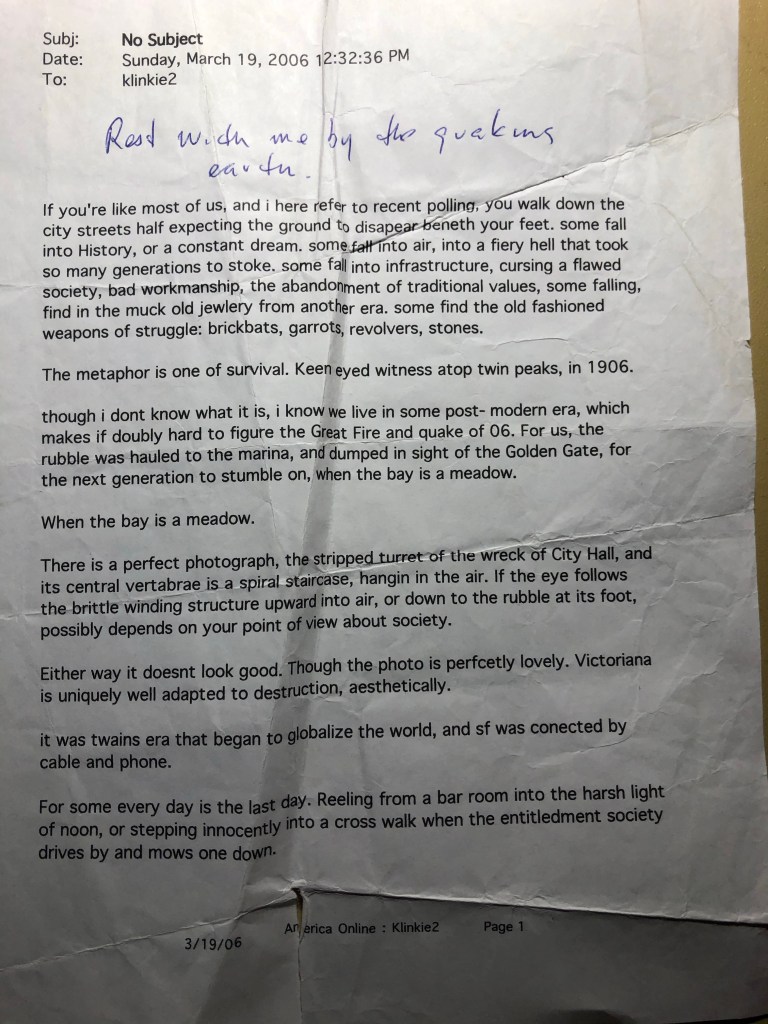
Hey, you may just have the San Francisco Earthquake (and Fire) Blues:
Give me serpentinite or give me chert Slab on the Franciscan melange Really make it hurt:
‘Cause it’s 1906 people The earthquake’s overdue… I got them tumbling blues Of San Francisco for you
Churn up the underground Where the subductions’ at Rumble the strike/slip fault Shake that habitat Been waiting 28 million years I’m one impatient cat-
It’s 1906 baby… The earthquake’s overdue Don’t get caught horizontal, people San Francisco Earthquake is coming after you
Earthquake don’t care if you build a mansion -or occupy a flat
Earthquake don’t respect if you’re a A GOP or Democrat
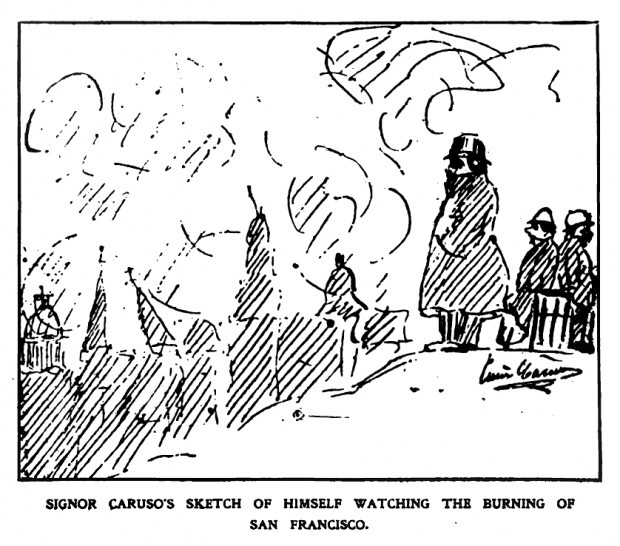
Earthquake couldn’t care less if you’re Caruso or you sing for pennies in a hat
-Its five am baby The earthquake’s shaking you You got those rollin’ tumbling-over San Francisco 1906 Earthquake Blues
Give us a little uplift Before you let us down Tear up all the pavements Of this two-bit gold rush town
Knockin’ San Francisco Right off the continental shelf Hope there’s nuthin’ breakable While mother earth rearranges herself
It’s the San Andreas Fault, people Comin’ after you If your house is rockin’ like a cradle You got them good old San Francisco 1906 Earthquake (and Fire) Blues…..
We have all the great libraries at our fingertips, and the dissemination of Knowledge is at a peak in modern history and yet half the country believes some complete nonsense. It’s confusing.
Those beliefs have strands of reality, of experience. Somewhere in there is a personal truth, perhaps rudely expressed, which is then statistically stacked and repackaged and resold. To me.
It’s exploitation, I suppose. Think tanks and the main chance. The medium is the message.
But that deeply undermining influence, the disinformation, is a gigantic deflection from true goals and the possibility of authenticity in America political life.
Of course, life isn’t really about thinking or knowing. Is it?
If nothing is real, are we then on a road to oblivion?
That leads to this. Thank you, internet:
“Under Charles II, the Restoration Parliament enacted the famous 1660 Act of Oblivion, which required not only forgiveness, but also the forgetting of the revolutionary events that had deposed Charles I.”
Author Kenji Yoshino , in a felicitous phrase, refers to “the brief wondrous life of oblivion.”
The review below, which I stumbled upon in seeking “oblivion”, is full of useful insights into our chapter Insurrection.
“Perhaps originally “even out, smooth over, efface,” from ob “over” (see ob-) + root of levis “smooth,” also “rubbed smooth, ground down,” compare obliterate.
But others find that “a semantic shift from ‘to be smooth’ to ‘to forget’ is not very convincing.” However no better explanation has emerged.
Meaning “state or condition of being forgotten or lost to memory” is from early 15c. In English history.
The Acts of Oblivion use the word in the sense of “intentional overlooking” (1610s), especially of political offenses. Related: Obliviously; obliviousness. “ (Dictionary of etymology.)
Disinformation. Insurrection, modes of complete engagement, the existential authenticity, the unconscious expressed, steamrolling meaning and institutions and value.
The insult to intelligence is a siren call to give in, to come over, beguiling temptation.
Left hemisphere of the brain, and the right, at it again. This has nothing to do with “belief.” No.
The Jan 6 Capitol insurrection is such a representation, toward an act of oblivion. Madness has its allure, its personal short term payoff.
Turns out being crazy is good for business.
But citizens bear a responsibility- to know. To be aware. An obligation get it right.
The Act of Oblivion forgives, and empowers- “it unrings bells, and unpoisons wells.” (Yoshino).
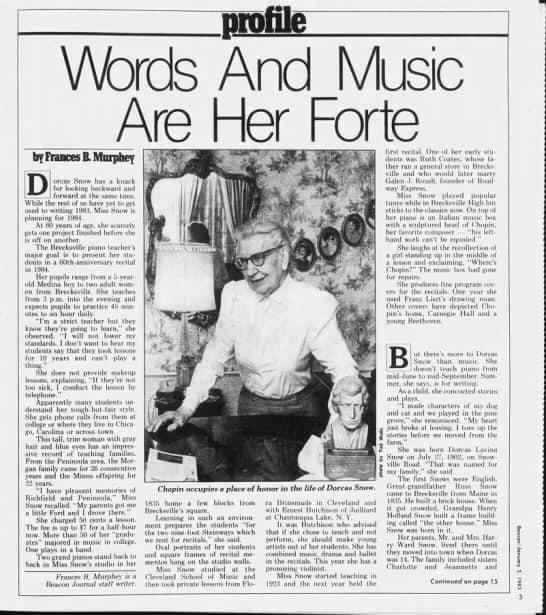
Miss Snow, my first piano teacher, Brecksville Ohio. It’s nice to find a good photo. She introduced students to Scriabin, Chopin, Rachmaninov, Liszt, Gershwin. She ordered music of Satie for me and looked at it and said : this man is a master of composition!
Satie had not completely resurged yet. Still pretty outre’.
By Satie she taught me “Premier Menuet, which isn’t. It’s 3/4 played in 4/4, with enharmonic scales in the apparently incorrect key, and with very little melody. So it’s not coffee commercial music-at all.
And Passacaile, by Satie, which is very modern and orchestral for him. Not Gymnopedies, like Blood Sweat and Tears made popular. She went right toward the outright strange pieces.
Exact opposite to her beloved god Liszt.
She had to order them. Rarity at the time.
The recitals were a big deal. For finales we had to play piano quartets, and we were loud on those 9 foot Steinways!
She said, “People may let you down- but if you have piano you always have something.” You’re never truly lost.
Her life: 1902-1994. She was my teacher during her 50th year of teaching, I think. 1973-5.
She completely analyzed structure and told us to practice in four rates, advancing through each: slow, moderate, allegro, and expressive.
She pushed Czerny hard, and scales; 2/3 of practice devoted to exercises and 1/3 to learning a recital piece. No piece was considered completely impossible.
She was also able to present the works of composers we thought were just strange, modern. Charles Wourinen. Schoenberg. Pieces that were made of arithmetic plus space, apparently void of content, all atonality.
So I’m at work tonight. Coincidentally, the cook, who I hardly know, working in the dining hall of our facility, is playing Erik Satie’s “Vexations” on his Pandora while preparing tonight’s dinner.
The droll theme to be repeated 840 times, according to the composer’s direction. Erik Satie. I heard many repetitions of the theme just in the last half hour.
That is devotion.
I didn’t tell him I listened to 42 repetitions just the other day.
We’re having mashed potatoes for dinner. Entree is pot pie. I was informed by a friend-just yesterday, as a matter of fact- that Satie preferred food that is white. Beef pot pie would be an infraction, a complete lapse of good taste.
I didn’t tell the cook that.
Today, again, coincidentally, before work, I organized my book storage downstairs in an effort to find my biographies of -Erik Satie. This had absolutely nothing whatsoever to do with tonight’s surprise kitchen Vexations.
I was thinking about my piano teachers, and the psychic advice received from “The Other Side” to practice my Satie.
And I stumbled upon the electronic moog performance of “Vexations” online.
Just coincidence.
“Vexations” is not a feel-good thing you’re going to punch into You Tube for no reason, that I can tell you.
I have ALOT of books down there in the storage locker of our garage- an entire library, in fact.
The biographies of Satie are all out of print, so you can pay forty dollars (or nine hundred dollars) for the five paperbacks I’m looking for down there with the spiders. They’re down here somewhere, I was thinking.
Found them!
It is a pure coincidence that the cook is a piano player and is practicing the Satie music at home, as he confessed to me when I asked about his playing “Vexations” this evening. If you were over at our apartment, you’d see everything Satie wrote in a pile by my piano.
I was playing “Prelude en Tapisserie” and “Passacaile” and “Premier Menuet” and other pieces this week.
Although I chose these at random from the photocopies, the latter two actually were beautifully printed sheet music of the first pair of short obscure piano pieces Satie wrote after a stint at a music school (mid-life crisis) to study counterpoint.
So, out of a hundred pieces, I picked these two obscure studies that belonged together. The twin musical products of intensive counterpoint, basic studies he undertook to make up for lost time, skills he never acquired in youth. Exercises. Just coincidence. These pieces are not well known. Critics say they’re not very “good.”
The Prelude en Tapisserie is translated as “Wallpaper Music.”
Love them!
This week- out the blue, from an Ohio neighbor we grew up with who is an antiques dealer, I received in the mail a rolled-up scroll in a cardboard tube: a vintage broadside to announce a memorial performance which occurred in 1925, the year of the composer’s death. It features the Cocteau pen and ink profile of Erik Satie and the list of featured performers on the program.
Satie. The poster: It’s lovely. The paper is microscopically thin. Must take care and get it framed properly.
Much of Satie’s music was initially published and recorded in our lifetime, not his. Posthumously, forty years after his death of cirrhosis in 1925.
It adds to the air of obscurity that still persists after a century.
So it came to pass, in 1968, all of the droll and mysterious and strange and vexatious output of this lonely aesthete became somewhat available to students. 1968, a year that celebrated counterculture, and so worldwide notoriety for Erik Satie.
So, we, of the Hip Era and the the Fin de Siecle, could popularize and assess and commercialize and perhaps even mystically divine the meaning of some of the strangest piano music anyone had ever heard before, out of school.
We heard records of course, but these were also the product of the latter-day 1968 publication of his complete piano work, in sheet music form.
Of recordings at the time would be a hit by Blood Sweat and Tears. And the multi- volume long- playing recorded works which ensued, by pianist Aldo Ciccolini, including the strange and experimental pieces and all of the notebook sketches they pulled out from behind, within, and on top of the composer’s old piano-and everywhere else in his studio after he had died.
But, most significantly among recordings of the sixties, early seventies, were the albums by Camarata Chamber Orchestra: “The Velvet Gentlemen” and “The Electronic Spirit of Erik Satie” and “Erik Satie Through the Looking Glass.” These featured Moog Synthesizer, but only in discrete sections.
The arrangements are unique and apt and appropriate, without overstatement or sentimentality. These are London label/ Derek Taylor productions, so grant the composer proximity to other “mod” recordings of Beatles and Stones and Rutles and Harry Nilsson.
The album covers and the liner notes are works of art, and contain a collage of the imaginative writings of Satie- and the recordings feature narrations by the composer, too. (Performed by another but true to the original.)
Those fascinating records, with their voluminous notes and graphic design, are out of print. Only fragments in You Tube. Sadly.
The French editions of the sheet music I lusted after were the original publications of Editions Salabert. My friend Jose “gave” several of them to me, in the early eighties of the last century. Others I gathered over the years as they became more available in book form. Everything was republished in recent decades. But Satie was a rarity in almost every form for a while.
My drinking buddy Jose played the violin and owned the newly issued and rare sheet music of Satie. How he got it all I never found out. He was a world traveler, so perhaps that accounts for the acquisition.
Jose’ was a drunk and a pool player who died of kidney failure after a night of pool and drinking (and whatever drugs Ronald Reagan had imported that year) at Finnegans Wake in Noe Valley in San Francisco, sometime around 1981.
This was by choice. Jose was sternly informed that his life would kill him but he said, I don’t care! He died happy.
The punk era had begun. New Wave, Brian Eno and Ambient Studies. And Satie was considered a pioneer of the New Music.
Perhaps he was the originator of Ambient Music, Minimalism, Kraftwerk, Punk, New Wave!
So, eventually those rare Satie pieces of sheet music came to me.
So it was a big deal to get something/anything at that time by this wonderful composer. Kids, we couldn’t push a button and instantly get music from another hemisphere in ten seconds. And ordering music from Europe? I don’t think so.
In the beginning, a post-sixties kid, with straggly long hair and jeans torn at the knee and sporting my Erik Satie t-shirt, piano lessons Tuesdays at 7:30 pm at the Snow house up on the hill, by the cemetery with the water tower.
So here we are forty years later.
I tell my wife Ingrid my Theory of the Afterlife, that when you think of someone or something it’s that person or thing calling you.
Listen.
Hm.
“Vexations”!
***
(This is just a dandelion…)
Summer: Bix Beiderbecke and Music in the Air
The boy wasn’t allowed to go down to the river, but on summer nights he could hear the music all the way to the house. It wafted in- calliope music, of all things, from the steamboats. Band music on the river. Early jazz in the early pre-dawn of The Jazz Age.
Music on a summer night.
There was more. There were the woody sounds of the family piano- his mother played and taught him a little. That was the music in the air.
Bix was a teen in the nineteen-teens, with his ear to the windup phonograph. He knew music by ear, note for note, though he learned jazz numbers rather laboriously, finding each note and chord on the piano. He was building the tunes, like a lot of teenagers since, ears to speakers, slowing revolutions of vinyl, to capture a tune they could run with.
So music on the piano would be heard in the air. The familiar, salutary sound of piano lessons in the neighborhood on a hot summer night, pre-World War One, Davenport, Indiana.
His piano teacher says he was hopeless.
A native genius from the start, he easily learned and remembered the music as he saw it and heard it, but learning by ear-and not by note from the printed sheet music- is the great stumbling block of piano students, for the super-precocious.
It would be the cornet, for Bix.
That was the instrument he brought to the Gennet studios in Richmond, Indiana, in 1924, with which he played the shining, clarion “bell-like” tones of great jazz recordings.
But as long as other musicians knew him, they would recall a piano composition he would often play. Stunning harmonics, a jaunty displaced rhythm, bright, yet restrained; thoughtful yet too brief- the piece might not have had a name at first.
I scan a biography of Bix Beiderbecke, and I find that the musicians around Bix- also true masters of jazz and orchestral performance- showed a spontaneous interest in being acknowledged by history as being among those who first heard the composition, and said it stuck with them, how impressed they were.
It was “In A Mist.”
“In A Mist” reminds one of Ravel. The title signifies jazz composition as modern art. It’s the art of compression, saying a lot in a short time.
Its rhythm, an underlying walking tempo, but with a touch of Picasso; parallel phrases ever so slightly displaced; a lighthearted exposition, as easy as conversation, all with the fluency of the artist thinking aloud.
It’s just three minutes alone with Bix. That’s “In A Mist”.
He demonstrates the art of writing, the improvisatory and spontaneous, with the carefully worked-out.
The beguiling puzzle of jazz: the practice, the mastery, of an art that defies note-writing- and yet, there it is on the page eventually.
You can’t write down ragtime, musicians used to insist. And the jazz that came after, which Bix himself played, of arrays of horns and banjos and percussion sections, with live recording paraphernalia, in primitive recording studios through the twenties, with the Paul Whitman Orchestra…
However intently that music attempted to write itself into sheet music charts, covering pop tunes and waxing light classics- it became something quintessential and unrepeatable in the hands of Bix.
There must be a copy of “In A Mist” in a piano bench somewhere. Have you heard it on a summer night? Like a rare bird alighting on your backyard bird feeder, you run to get binoculars and in a moment it’s gone.
It’s the close harmony that must have captured the attention. The bass, the parallel blues chords rising step by step, climbing the blues stairs, as the melodic voice sings lightly above; those mirroring dissonances sounding perfectly right, bemusing his fellow musicians who listened with a grin of interest and appreciation and delight.
What’s that called, Bix?
The biographer tells us they looked for a title and thought of “In A Fog”? “In The Air”?
No: In A Mist.
The piano piece has its place in the history of Jazz. Beiderbecke himself performed it at the pivotal historic Paul Whiteman performance debut of “Rhapsody in Blue” back in the twenties- a century ago,
Bix himself walked onstage alone to play the solo, a prelude to jazz, before an audience that included Rachmaninov.
The event represents a sort of official beginning to jazz as a form of classical music, which it now is. “In A Mist” is so inscribed into the very moment when the jazz era went BC to AD, entering its modern age.
The Beiderbecke piece was included in a program for the status quo, along with Gershwin in a premier which in retrospect perhaps threatened to legitimize jazz out of existence, to consign it to the brittle sheet music in piano benches everywhere, along with ragtime and the saccharine-sweet songs of the previous decades. But the modernism of the Twenties prevailed. And inspired.
Jazz had ever relied on the conventional and written, as well as the ingenious and brilliantly improvised, and the Gershwin rhapsody perhaps had found a sibling in Beiderbecke’s pioneering little prelude “In A Mist”.
Programs like the Whiteman concert are a summertime phenomenon. Orchestras will play the American music into the air on summer nights, in fairgrounds and amusement parks and on the Fourth of July in a bandshell, in a park by a lake- somewhere.
The tunes will waft over forest and river bluff and parking lot and cornfield.
And piano recitals coincide with the end of spring and the coming of summer. The neighbor kids may be practicing their pieces- at the last minute before Summer. It might be a bagatelle or invention. Or it might be a knotty Gershwin prelude, or a “theme” from “Rhapsody in Blue”. Maybe some ragtime. If your teacher will allow it.
Even sometimes one could hear a carousel with a refurbished calliope or orchestreon aboard, pumping circus carnival tunes- it’s still possible. Cotton candy still exists. And pastel and pin-striped salt water taffy. Summertime. Ice cream trucks, pinwheels.
All that will be so familiar, so nostalgic.
But it may happen that you’ll hear a harmony you’ve not heard before, or a musical idea will jump out, as on a cornet, bright and clear and new and rising quite above the fanfares and overtures, in a humble but ingenious individual voice. And you’ll remember it, and when you get home you’ll want to run to the piano and find that piece. Or find your own.
That was the beginning of the artist’s life, Bix Beiderbecke, in the early days of jazz.
And they are ALL early days.
jk
***
This little vid popped up on my feed and really got my attention.
Our piano teacher in Ohio, Dorcas Snow, idolized Ruth Slenczynska. Miss Snow talked about her often. I believe she had a radio program out of Detroit, something like that. I have the impression there was a relationship there. Miss Snow certainly was devoted to her methods and outlook. She had her book of technique, I believe. There was a personal connection. I can’t remember the details now.
Miss Snow was the only classical instructor in town and taught for over 65 years. Whenever I see Ruth Slenscynska’s name I immediately think of Miss Snow.
Both were actively involved in radio, teaching, writing and performance in the Midwest. (Cleveland/Detroit/Chicago are really the same region- especially through radio at the time.)
Miss Snow was a taskmaster and insisted on total devotion and thorough preparation. She was also patient, and if you did the work she would grant you extra lesson time. I was devoted for at least a few years but a slacker half the time. Lessons were four dollars. 1972. I wore a suit jacket to my lesson. Seriously. It helped.
She taught me a Gershwin prelude, Beethoven- an early sonata, a John Field nocturn, Satie, at my request, a Rachmaninov Etude Tableau, and we played piano four hands and quartets as finales in recitals. Hungarian Rhapsody. We all played a Chopin etude too, note by note, phrase by phrase, four rates of speed. And we had to learn Czerny exercises and scales.
Miss Snow was training two brothers from Russia who were raised to be concert pianists. They played a massive repertoire. At least to our uninitiated ears.
Ruth Slenscynska also was connected to Lovejoy Library at S Illinois University, which was named after a famous ancestor of my second piano instructor, Allison Lovejoy.
There are interesting threads. Rachmaninov performed in the states and my great uncle Martin saw him perform and often told us his impressions of that peak experience. He was definitely the most influential musician in the piano world at the time. Miss Snow was a deep proponent of Liszt and Chopin and Scriabin. She did not mess around. She also taught pieces by Schoenberg and Wourinen- really abstract experimental music was fine with her.
To this day I play an hour or two most days. Just for pleasure. All I can say is Miss Lovejoy and Miss Snow taught me how to approach pieces so -if I want to- I can get things done.
I have a huge collection of music books so I can work on whatever moves me at the time. Nowadays I’m more likely to play music than to listen to recordings. I hear the music better when I’m playing it myself. I have some hearing loss and piano resonates really well and I can feel the music physically. It’s great.
I also like the feeling of being “inside” the music- when you’re involved in a piece you can participate in its inner workings, you can appreciate what it is. So instructors like Miss Snow and Miss Lovejoy make that deeper thing possible. It’s pianism, really, that they convey.
My grandfather had a band way back when, and he selected the pipe organ for the big Lutheran Church in Lakewood, St Paul’s. His son had engineering skills and built a clavichord out of a kit when he retired from teaching. My dad played clarinet in the army band and sang in the choir. Our parents sang us duets and lullabies when we were young.
Every house had a piano, most played piano rolls, too. So piano was everywhere and must kids practiced pieces constantly as summer recitals approached. You could hear pianos banging Tchaikovsky on both sides of the road in our neighborhood.
The ABC interview below is a delight. I’m enjoying it right now! Featured in mid interview is a languid Rachmaninov etude Allison taught me at the Community Music Center. It’s special.
I’m amazed at the deep well of expertise these teachers/ musicians bring to their students. Just to have a tiny fraction of that is such a tremendous gift!


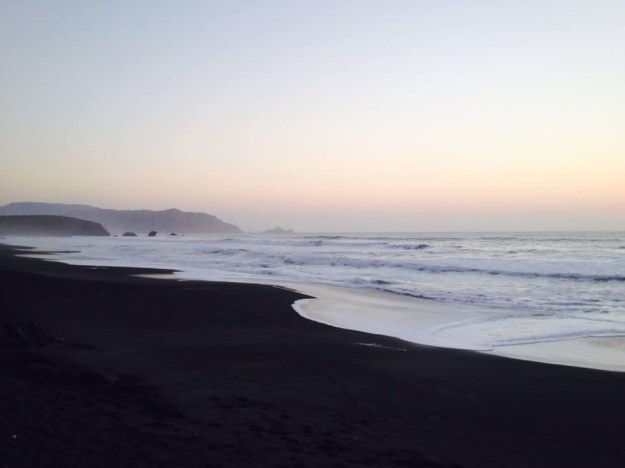
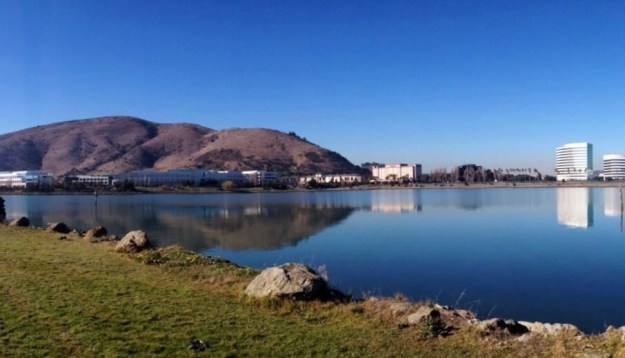


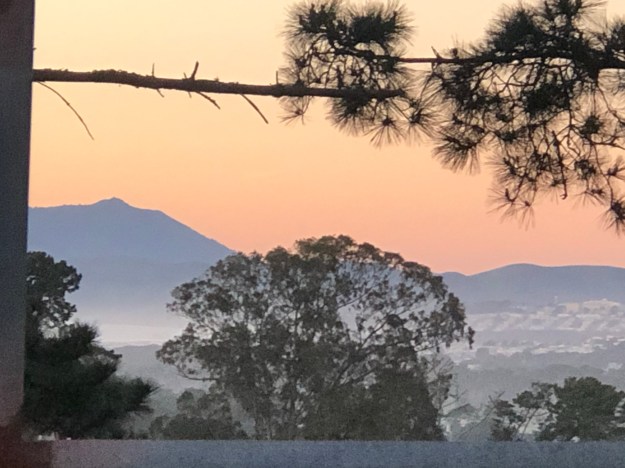
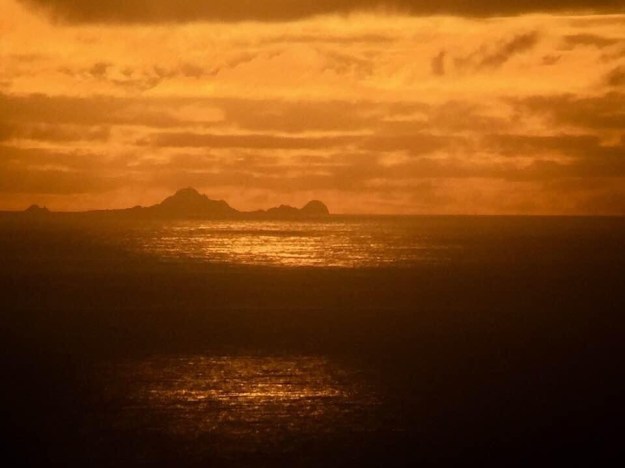

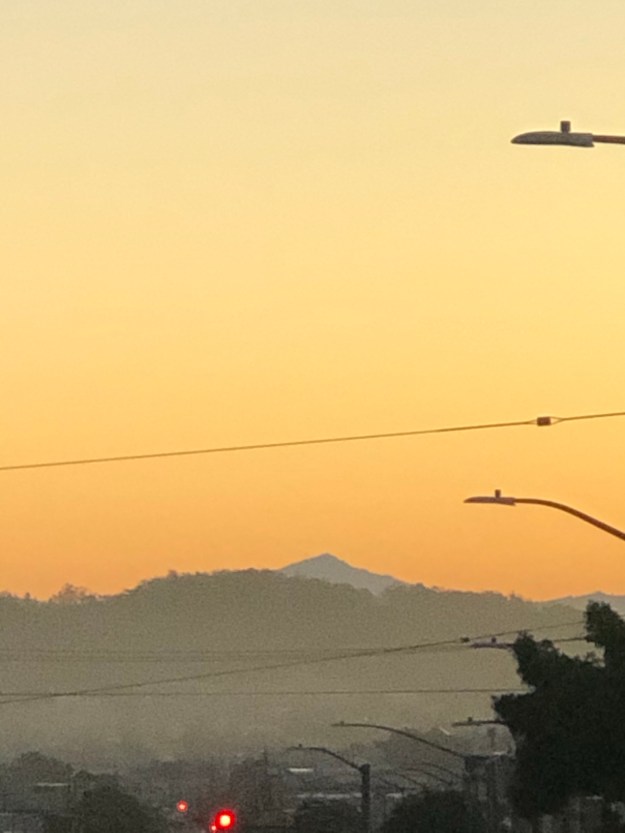


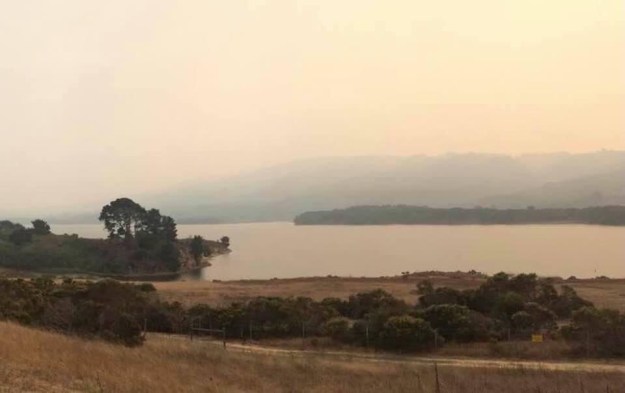


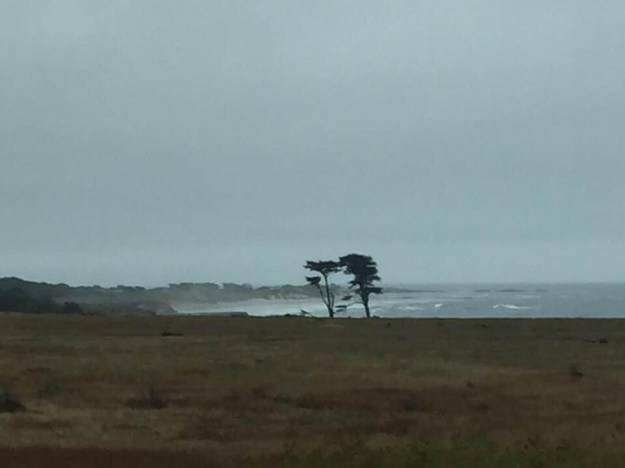

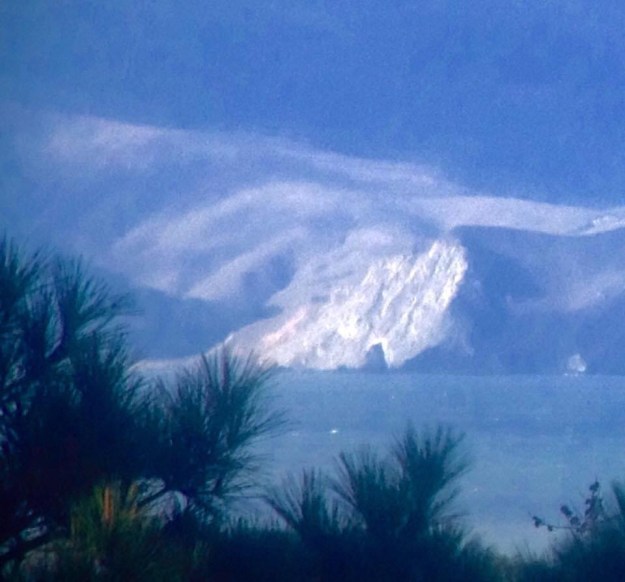
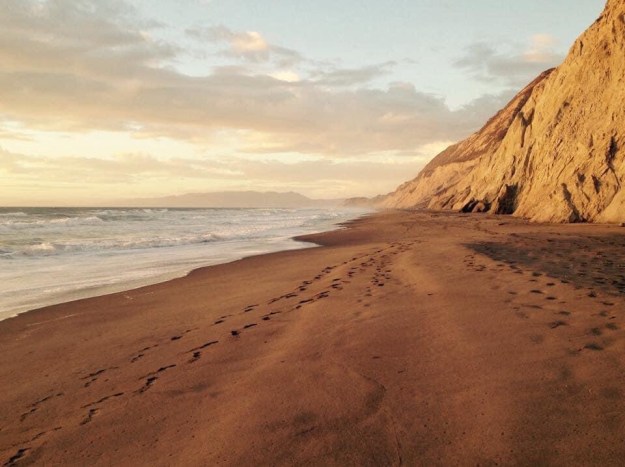
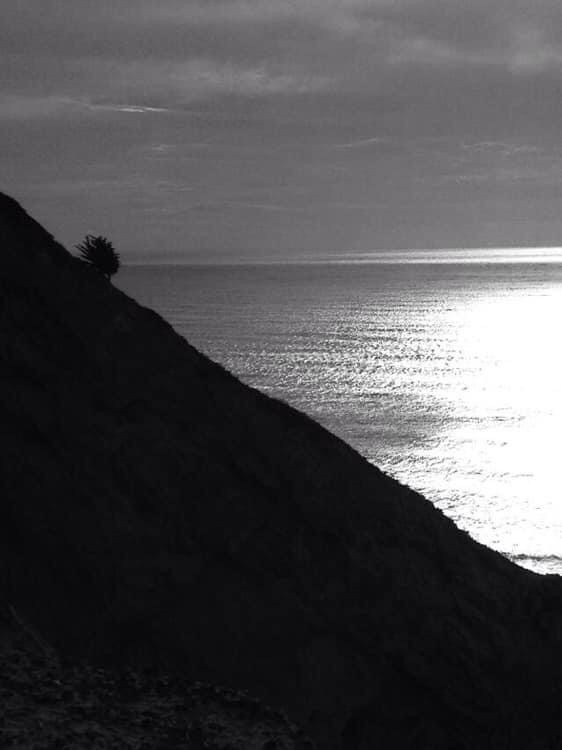
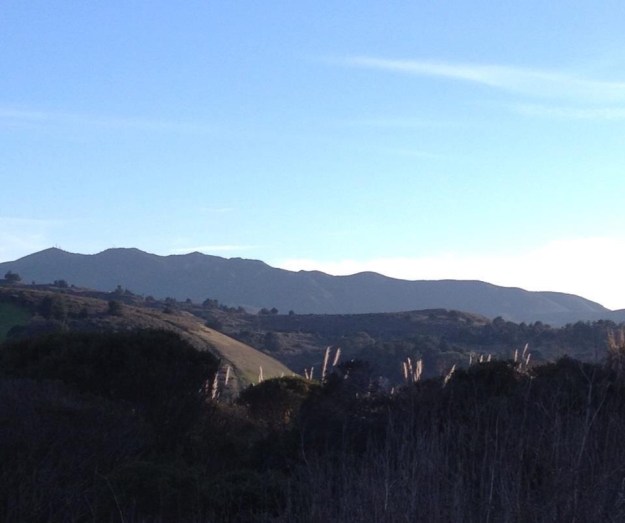
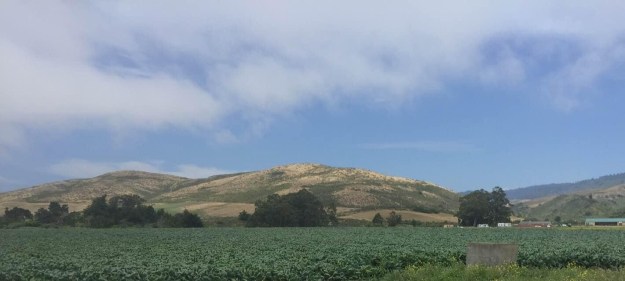





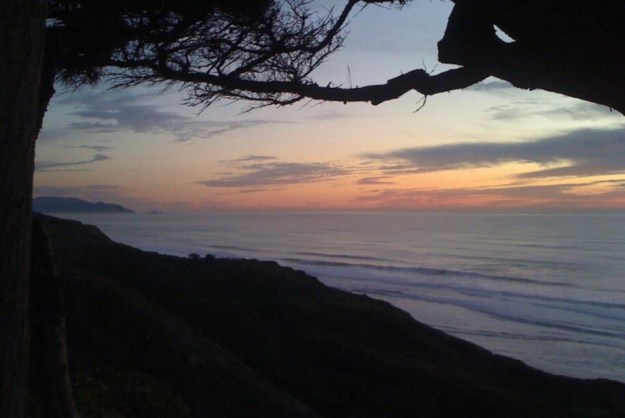
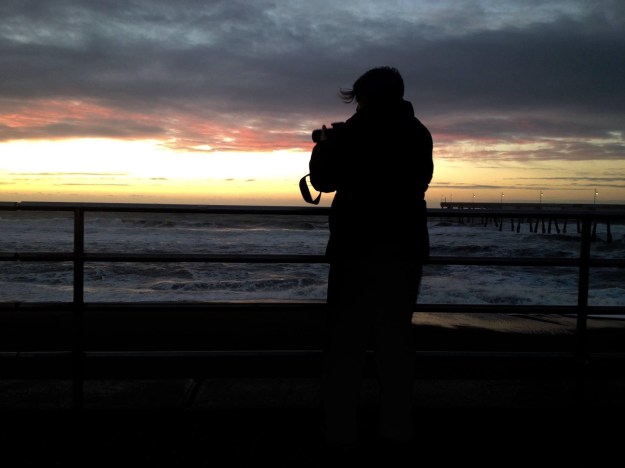 1. Ingrid at Linda Mar; 2. Granada green field; 3. Pacifica; 4. Oyster Point; 5. Sharp Park; 6. Mori Point; 7. Eastmoor view of Mt Tam; 8. Farallons sunset through binoculars; 9. Ingrid on Eastmoor, panoramic vista; 10. Mt St Helena, from the Mission, SF; 11. Mustard near Granada; 12. Wave, at Sharp Park; 13. Crystal Springs Reservoir; 14. Bay Bridge, during Paradise Fire; 15. Linda Mar landscape; 16. Filoli in black and white; 17. Blue Marin escarpment from my Eastmoor window through binoculars; 18. Avalon Beach, Daly City; Avalon Canyon (black and white); 19. Pacifica Mori Point; 20. Granada Princeton-by-the-Sea, green fields; 21. Ingrid at Eastmoor vista; 22. Mori Point flowers; 23. Redwood tree, Redwood City Hall; 24. Filoli olive trees; 25. Pacifica; Thornton Vista, Daly City; Ingrid at Pacifica pier; Villa Montalvo; bedroom window screen north to Marin from Daly City: home.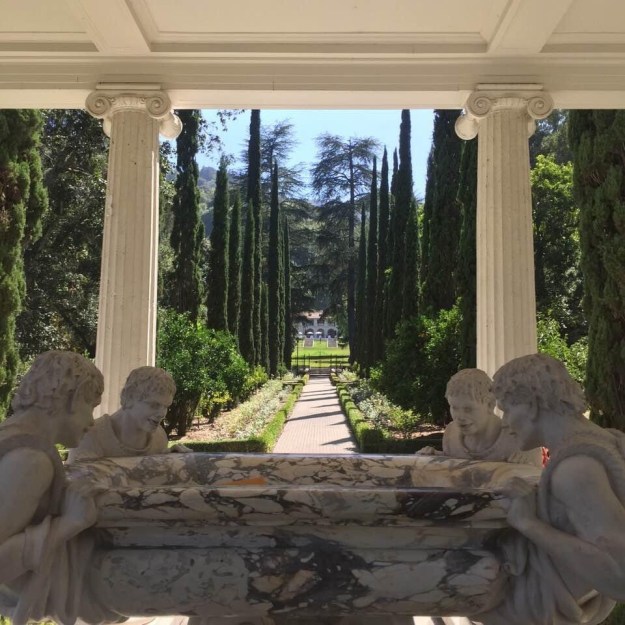


























































 jameskoehnsf's Blog